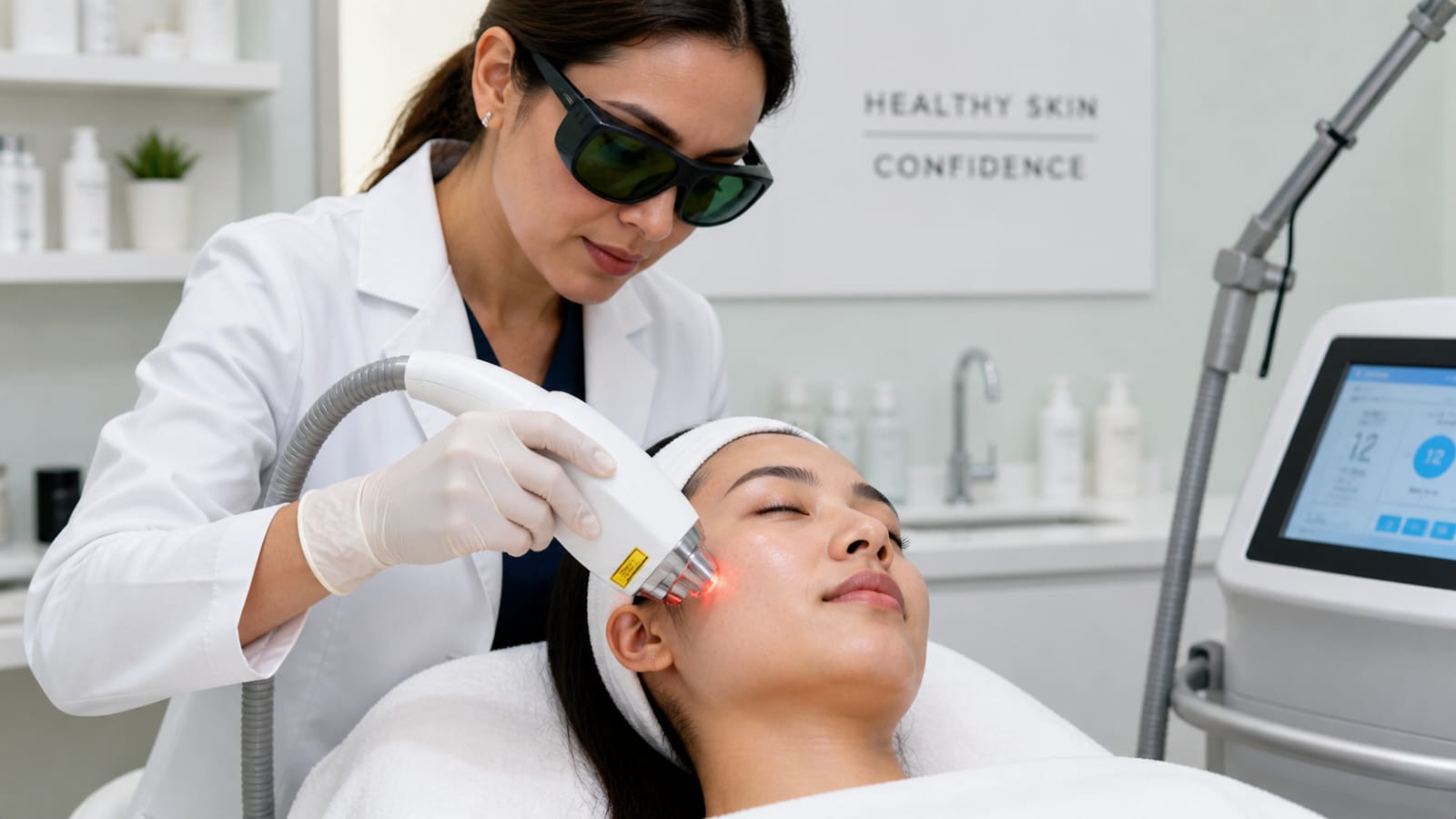
What Is the Best Treatment for Melasma? :-Melasma can feel frustrating when those stubborn dark patches refuse to fade, even after trying multiple skincare products.
If you’ve been searching for a real solution, you’re not alone. The good news is that melasma can be managed effectively with the right combination of treatments, consistency, and care.
What Is Melasma?
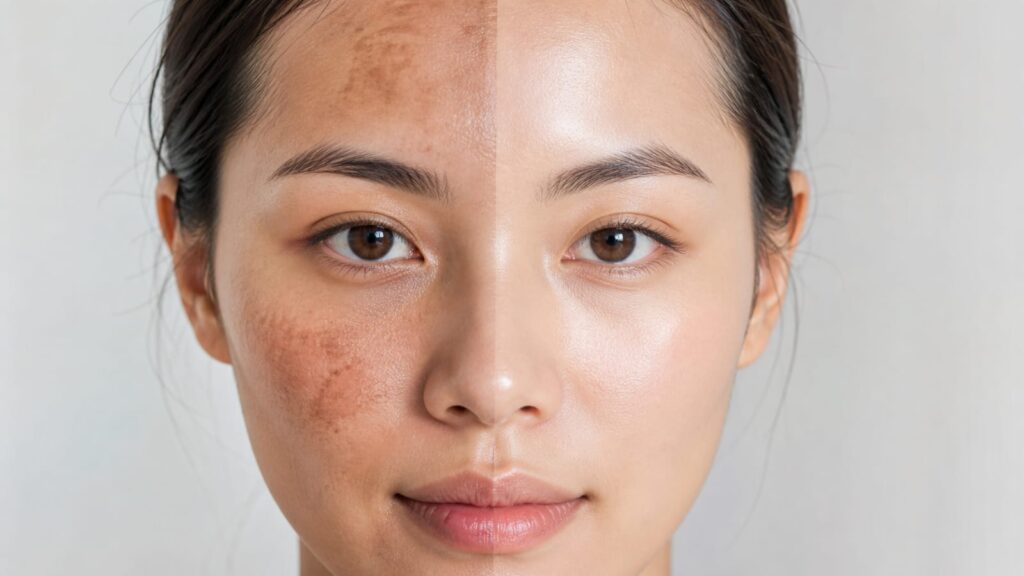
Melasma is a common skin condition that causes brown or grayish patches, usually on the face. It often appears on the cheeks, forehead, nose, and upper lip, forming symmetrical patterns. This condition occurs due to an overproduction of melanin, the pigment responsible for skin color. Although melasma is harmless, it can affect self-confidence and overall appearance.
It is most commonly seen in women, especially during pregnancy or hormonal changes, which is why it is sometimes called the “mask of pregnancy.” However, men can also experience melasma, particularly if they are exposed to excessive sunlight or have a genetic predisposition.
Types of Melasma
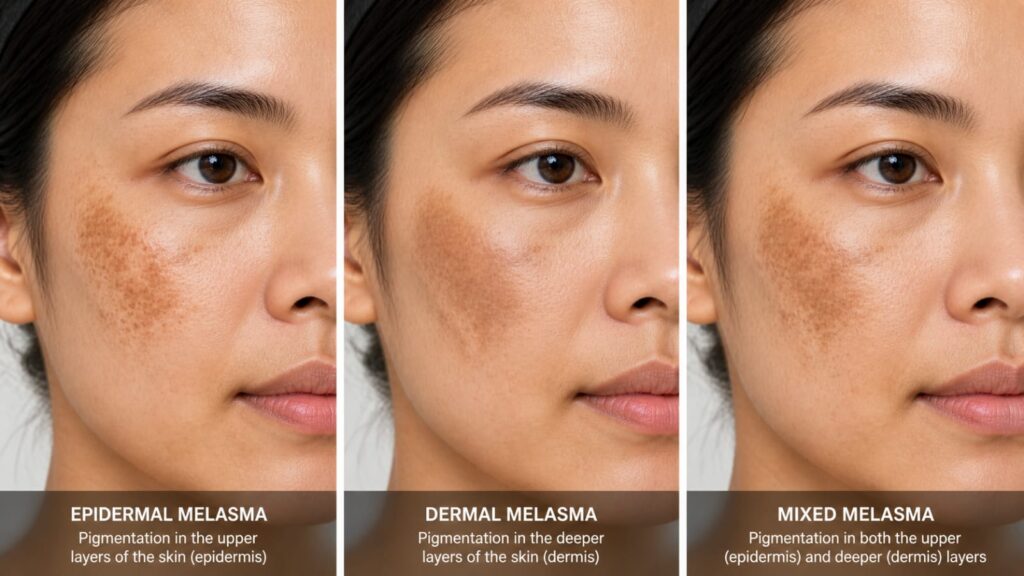
Melasma is not the same for everyone, and understanding its type can help determine the most effective treatment. There are three main types:
•Epidermal melasma affects the outer layer of the skin and appears with well-defined borders. This type responds well to topical treatments and is easier to manage.
•Dermal melasma occurs deeper within the skin layers. It often appears more diffuse and is harder to treat, requiring advanced procedures or longer treatment periods.
•Mixed melasma is a combination of both epidermal and dermal types. It may respond partially to treatments but often needs a multi-step approach for visible improvement.
What Is the Best Treatment for Melasma?
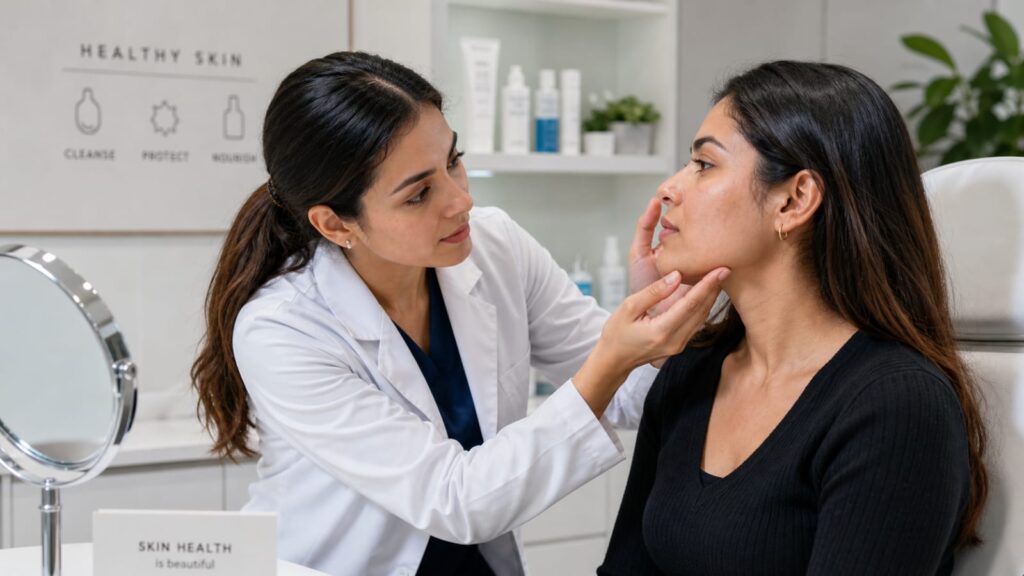
There is no single “magic cure” for melasma, but the most effective approach combines skincare, sun protection, and sometimes professional treatments. Let’s explore the best options in detail.
1. Topical Treatments (First-Line Solution)
Topical treatments are usually the first step in managing melasma. These are applied directly to the skin and work by reducing pigmentation and slowing melanin production.
•Hydroquinone is considered one of the most effective ingredients for treating melasma. It works by lightening dark patches and evening out skin tone. However, it should be used under medical guidance to avoid side effects.
•Retinoids, derived from Vitamin A, help increase cell turnover. This means old, pigmented skin cells are replaced more quickly with new ones, improving skin clarity over time.
•Azelaicacid is a gentle yet effective option that reduces pigmentation and inflammation, making it suitable for sensitive skin.
•Kojicacid and Vitamin C are popular brightening agents. They help reduce dark spots and improve overall skin radiance.
•Niacinamide is another powerful ingredient that strengthens the skin barrier and reduces discoloration.
Using these products consistently and correctly can lead to noticeable improvements within a few weeks to months.
2. Sunscreen (The Most Important Step)
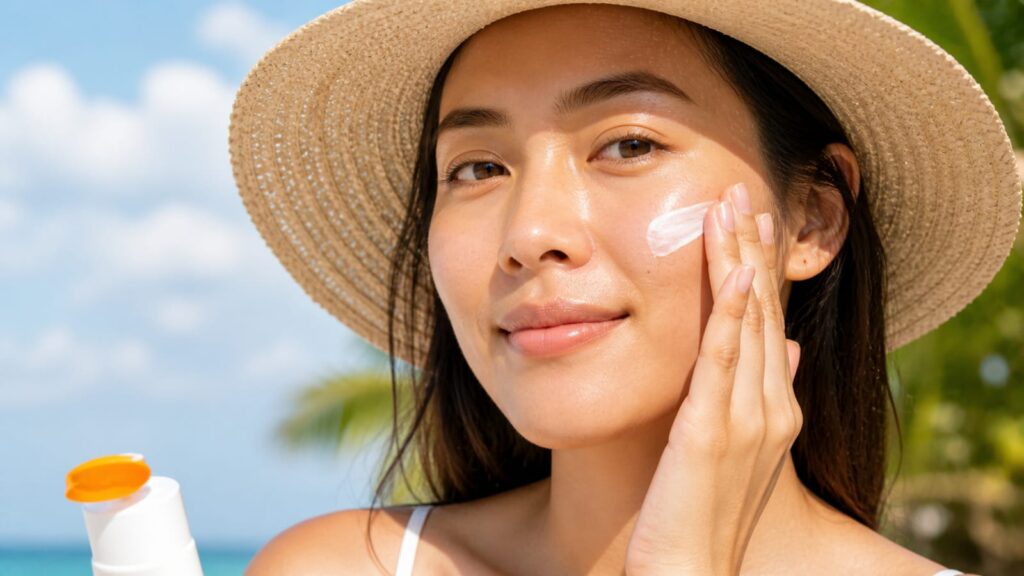
If there is one treatment you should never skip, it is sunscreen. Sun exposure is the biggest trigger for melasma and can worsen pigmentation quickly.
A broad-spectrum sunscreen with SPF 30 or higher protects against both UVA and UVB rays. It should be applied every morning, even on cloudy days, and reapplied every 2–3 hours if you are outdoors.
Without proper sun protection, even the best treatments may fail to show results. Sunscreen not only prevents melasma from worsening but also helps existing pigmentation fade faster.
3. Medical Treatments (Dermatologist Options)
For stubborn or deep melasma, professional treatments can offer faster and more noticeable results.
• Chemical peels use mild acids to exfoliate the skin and remove pigmented layers. They can improve skin tone and texture over time.
• Laser therapy targets melanin directly and breaks it down. While effective, it must be performed by experienced professionals, as improper use can worsen pigmentation.
• Microdermabrasion gently exfoliates the skin and enhances the absorption of topical treatments.
These procedures are usually recommended when topical treatments alone are not sufficient.
4. Natural Remedies for Melasma

Many people prefer natural solutions, and while they may not deliver instant results, they can support overall skin health.
• Aloe vera contains compounds that help reduce pigmentation and soothe the skin.
• Turmeric has anti-inflammatory and brightening properties that may improve skin tone.
• Licorice extract is known for its skin-lightening effects and is often used in herbal skincare products.
• Green tea contains antioxidants that help protect the skin from damage and reduce discoloration.
Natural remedies should be used with patience and combined with other treatments for better results.
5. Lifestyle Changes That Help

Your daily habits play a significant role in managing melasma. Small changes can make a big difference over time.
- Avoid excessive sun exposure, especially during peak hours. Wearing hats, sunglasses, and protective clothing can help shield your skin.
- Managing hormonal factors is also important. If melasma is linked to birth control or hormonal imbalance, consulting a doctor can help.
- A healthy diet rich in antioxidants supports skin repair and reduces inflammation. Drinking enough water also keeps your skin hydrated and healthy.
How Long Does Melasma Treatment Take?
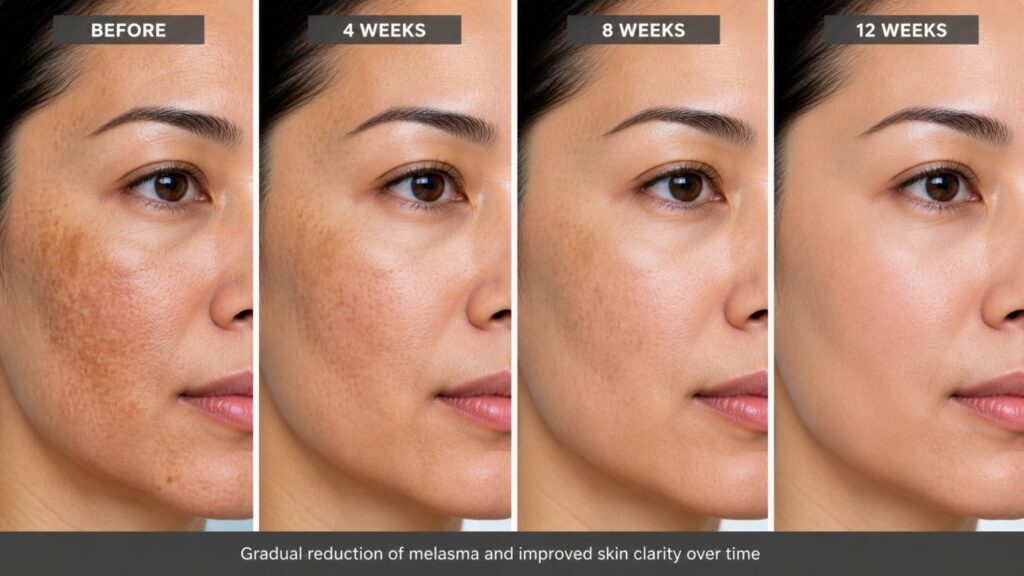
Melasma does not disappear overnight. It typically takes several weeks to months to see visible improvement, depending on the severity and treatment method.
Consistency is key. Skipping treatments or sunscreen can slow progress or even reverse results. It is also important to understand that melasma can return, especially with sun exposure or hormonal changes.
Common Mistakes to Avoid
Many people unknowingly make mistakes that worsen melasma or delay results.
- Skipping sunscreen is the most common mistake. Even a small amount of sun exposure can trigger pigmentation.
- Using harsh home remedies, such as lemon juice, can irritate the skin and make melasma worse.
- Expecting quick results often leads to frustration. Melasma requires patience and a long-term approach.
- Overusing active ingredients can damage the skin barrier, leading to more pigmentation instead of less.
Best Skincare Routine for Melasma
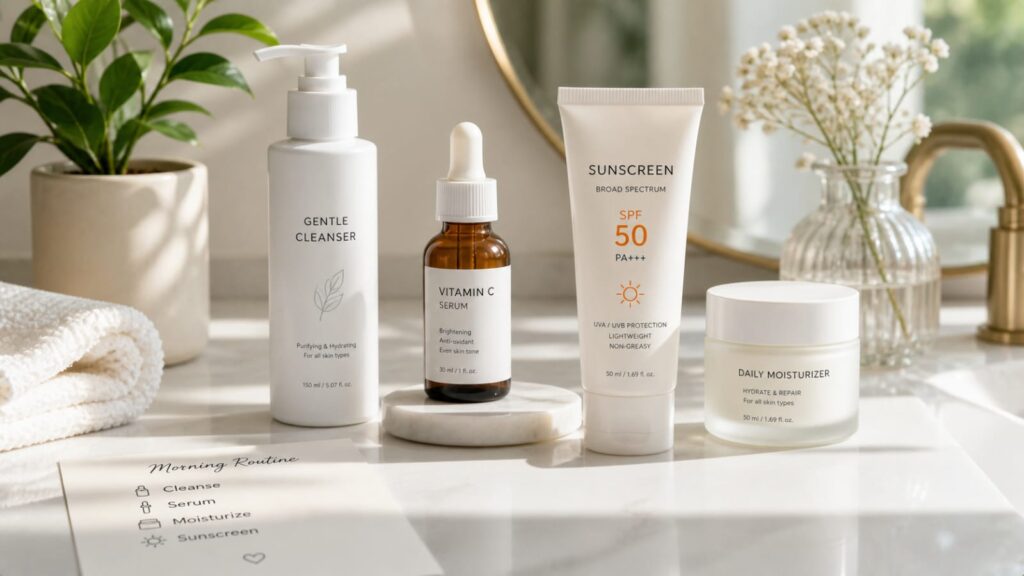
A simple and consistent skincare routine can significantly improve melasma over time.
- In the morning, start with a gentle cleanser, followed by a Vitamin C serum and a moisturizer. Finish with a broad-spectrum sunscreen.
- At night, cleanse your face again and apply treatment products such as retinoids or azelaic acid. Follow with a nourishing moisturizer.
- Weekly care, such as mild exfoliation, can help remove dead skin cells and enhance the effectiveness of treatments.
When to See a Dermatologist
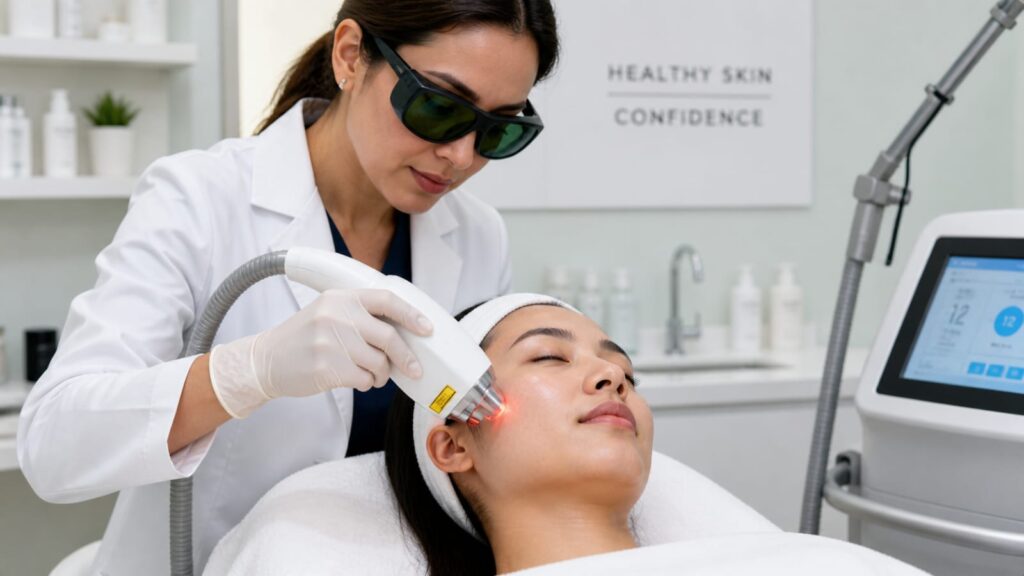
If your melasma is severe or does not improve after a few months of consistent care, it is best to consult a dermatologist.
Professional advice is especially important if your melasma is hormone-related or if you are considering advanced treatments like lasers or chemical peels.
A dermatologist can create a personalized treatment plan based on your skin type and condition.
Conclusion
Melasma is a common yet manageable skin condition that requires patience and the right approach. While there is no instant cure, combining topical treatments, sun protection, and healthy lifestyle habits can lead to significant improvement.
The key is consistency and understanding your skin’s needs. With the right care, achieving clearer, more even-toned skin is absolutely possible.
Read this also :-
- Pumpkin Seed Oil for Hair Growth: Benefits, Uses & Natural Results
- How to Lose Belly Fat at Home Workout: Easy Workouts & Diet Tips
- Facebook page :- Dailylife99
FAQs
Q1. Can melasma be cured permanently?
Melasma cannot always be cured permanently, but it can be controlled effectively with proper treatment and sun protection.
Q2. Which cream is best for melasma?
Creams containing hydroquinone, retinoids, or azelaic acid are commonly recommended for treating melasma.
Q3. Is laser treatment safe for melasma?
Yes, laser treatment can be safe and effective when performed by a qualified dermatologist.
Q4. Can melasma go away naturally?
In some cases, especially after pregnancy, melasma may fade on its own, but it often requires treatment.
Q5. How can I prevent melasma from coming back?
Daily sunscreen use, avoiding excessive sun exposure, and maintaining a consistent skincare routine can help prevent recurrence
Disclaimer:
The information provided here is for general purposes only. For any kind of health-related issue, please consult your specialist or doctor first. DailyLife99.com does not claim responsibility for any harm or consequences arising from the use of this information.