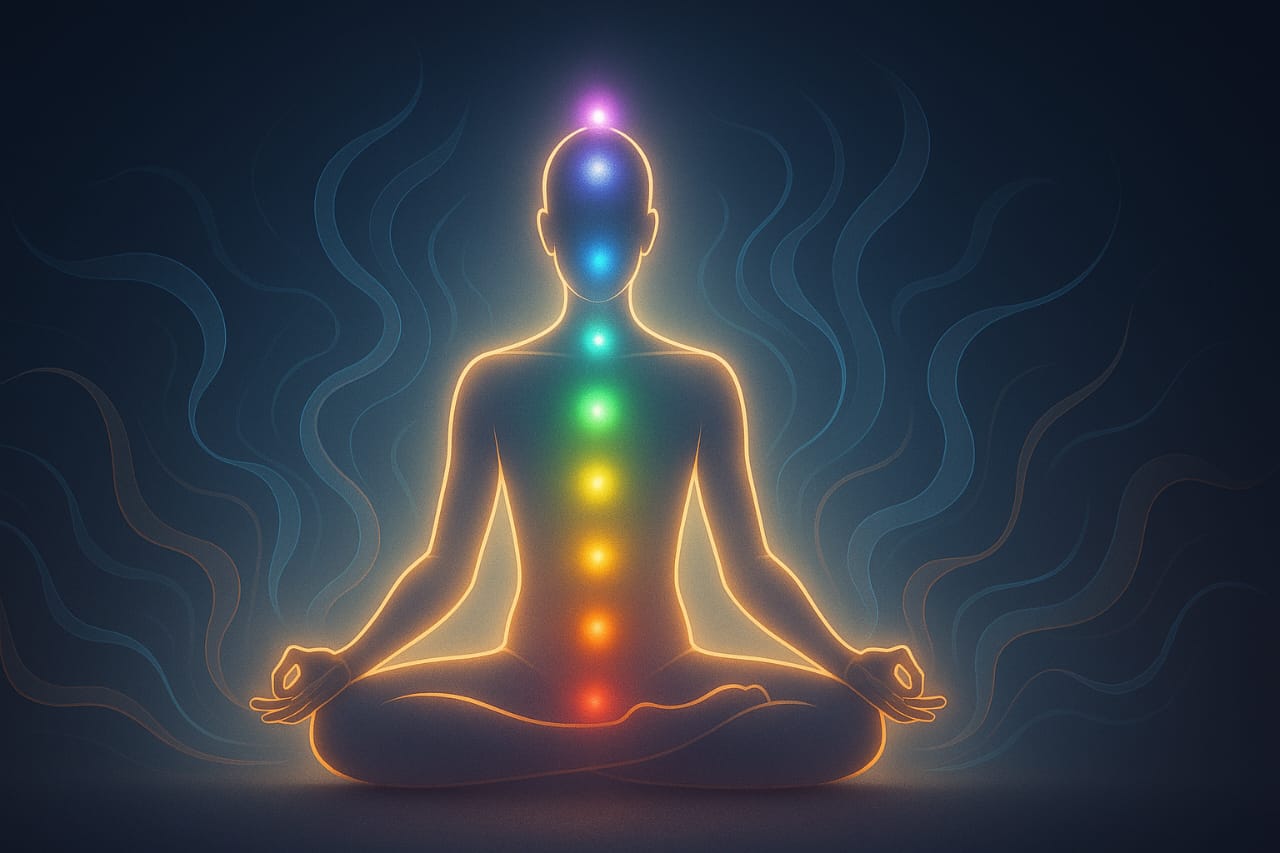
How to do Yoga and Meditation:- In today’s fast-paced world, maintaining mental peace, a healthy body, and a positive mindset has become increasingly challenging. Everyday stress, workload pressure, irregular routines, and digital overload often disturb the balance between our mind and body. In such a lifestyle, “Yoga and Meditation” are not just exercises—they are sciences that strengthen us from within, energize the mind, and guide our life toward harmony.
Yoga has been an integral part of Indian culture for centuries. It is not limited to developing a flexible or strong body; it impacts the mind, emotions, and consciousness at a deeper level. Meditation, or Dhyana, is an essential element of yoga that purifies the mind and brings stillness.
This blog explores why yoga and meditation are essential for life, how to integrate them into your daily routine, their powerful benefits, and beginner-friendly tips.
1. What Is Yoga? A Simple Explanation
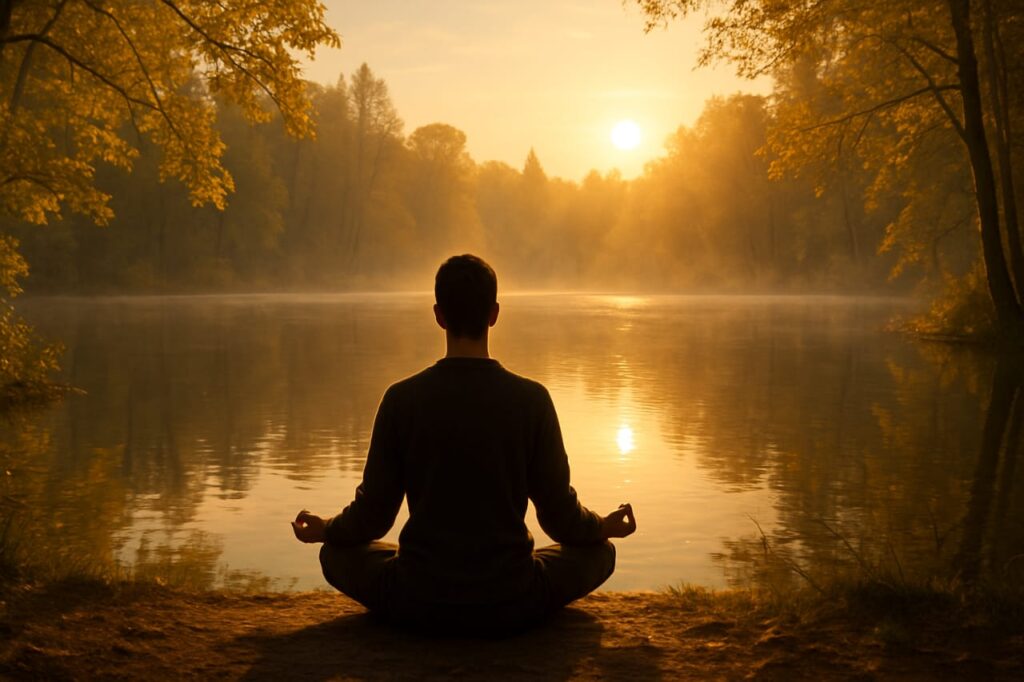
The word “Yoga” means “union”—a union with your body, your mind, your breath, and ultimately, your inner self. Yoga is a holistic practice that promotes physical, mental, and emotional well-being.
Yoga is not just about performing complex postures. It has multiple branches:
• Hatha Yoga:– Focused on physical balance and postures
• Pranayama:– Breath control and energy regulation
• Kundalini Yoga:– Awakening inner energy
• Ashtanga Yoga:– Discipline and strength-based yoga
• Vinyasa Yoga:– Flow movements that activate muscles
• Bhakti Yoga:-A combination of devotion and emotional expression
Every individual can choose the type of yoga that aligns with their needs and comfort.
2. What Is Meditation and Why Is It Important?
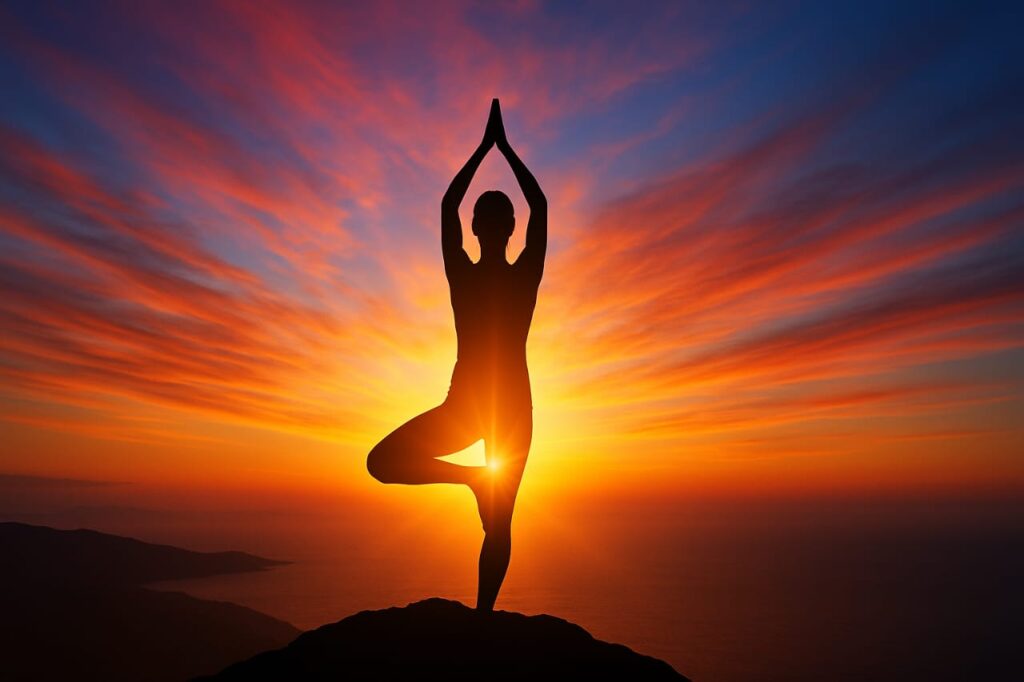
Meditation is the practice of calming the mind, focusing attention, and developing awareness of the inner self. Our fast lifestyle fills the mind with endless thoughts. Meditation helps reduce this mental noise and creates clarity.
Benefits of meditation include:
• Reduces stress
• Improves concentration
• Balances emotions
• Enhances sleep quality
• Brings mental clarity
• Boosts self-confidence
If you often feel restless, stressed, or struggle with sleep, meditation can transform your life.
3. Major Benefits of Yoga and Meditation
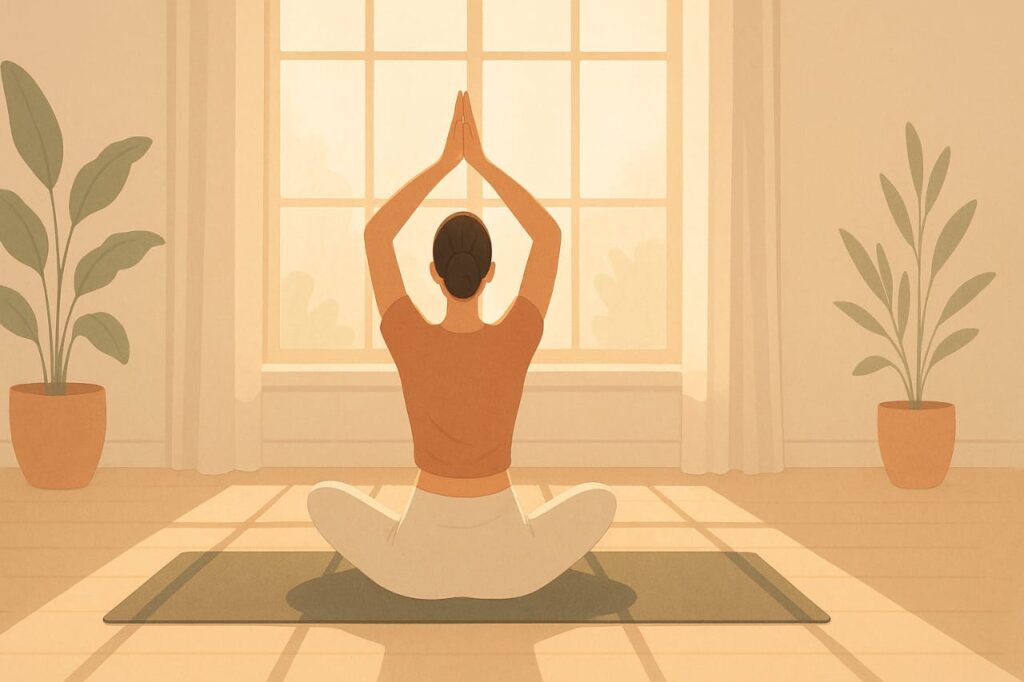
Reduced Mental Stress
Both yoga and meditation lower cortisol, the stress hormone. Asanas and breathing techniques relax the body, while meditation quiets mental chaos.
Improved Flexibility and Strength
Yoga stretches and strengthens the muscles, gradually helping the body become more flexible, balanced, and active.
Better Sleep
Regular practice of yoga and meditation helps induce deep, restful sleep and is particularly beneficial for those dealing with insomnia.
Improved Digestion & Immunity
Yoga activates abdominal muscles and improves digestion, while meditation balances energy systems and boosts immunity.
Helps in Weight Management
Yoga burns calories and controls emotional eating. Meditation reduces cravings by calming the mind.
Enhances Happiness & Positivity
Research shows that yoga and meditation increase “serotonin”, the “happiness hormone,” making you feel content and joyful from within.
4. How Beginners Can Start Yoga
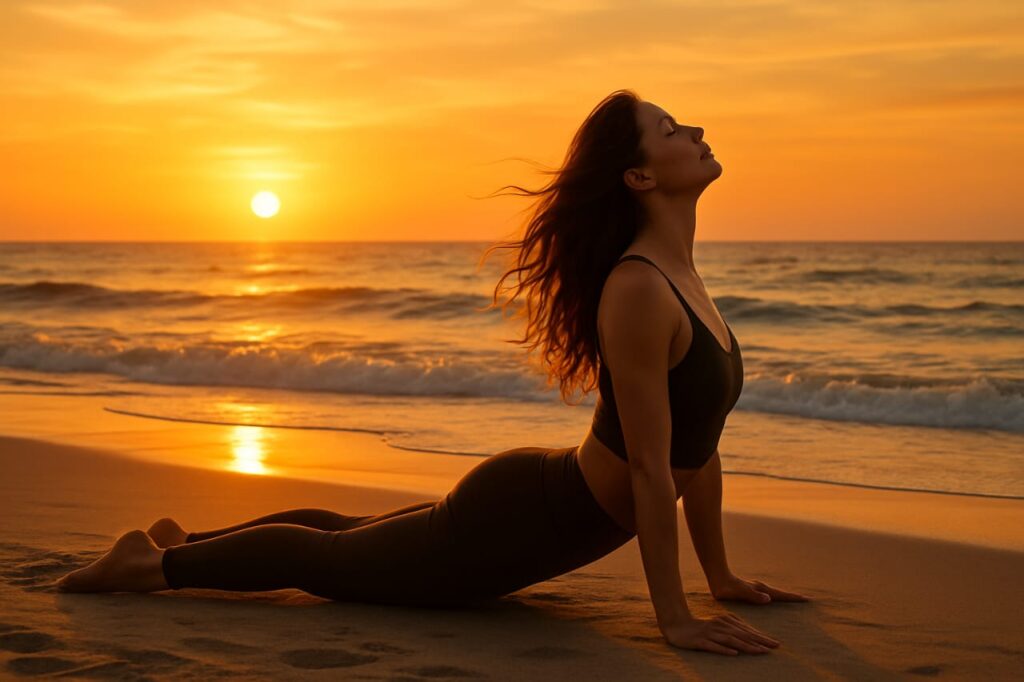
If you’ve never practiced yoga before—no worries. Yoga is for everyone, regardless of age or body type.
Start with Simple Postures
Begin with easy and comfortable poses:
• Mountain Pose (Tadasana)
• Vajrasana
• Cobra Pose (Bhujangasana)
• Child’s Pose (Balasana)
• Butterfly Pose
• Corpse Pose (Shavasana)
These poses reduce stiffness, calm the mind, and prepare the body for deeper practice.
Practice Only 15 Minutes Daily
You don’t need long sessions initially.
A daily routine of “15–20 minutes” is enough.
Focus on Your Breath
Breath control is the foundation of yoga.
Take slow, deep breaths and stay aware of your inhalation and exhalation.
Do Not Overstretch
Listen to your body.
Avoid pushing your limits to the point of pain.
Stay Consistent
Consistency matters more than intensity.
Practice daily, even if it’s for a short time.
5. How to do Yoga and Meditation (Step-by-Step Guide)
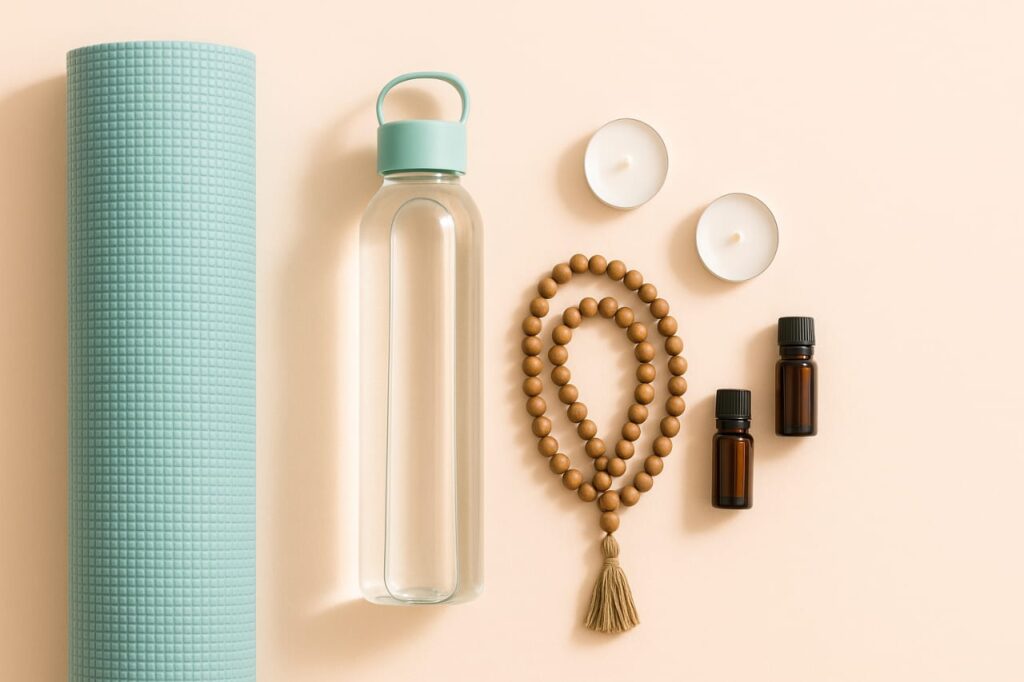
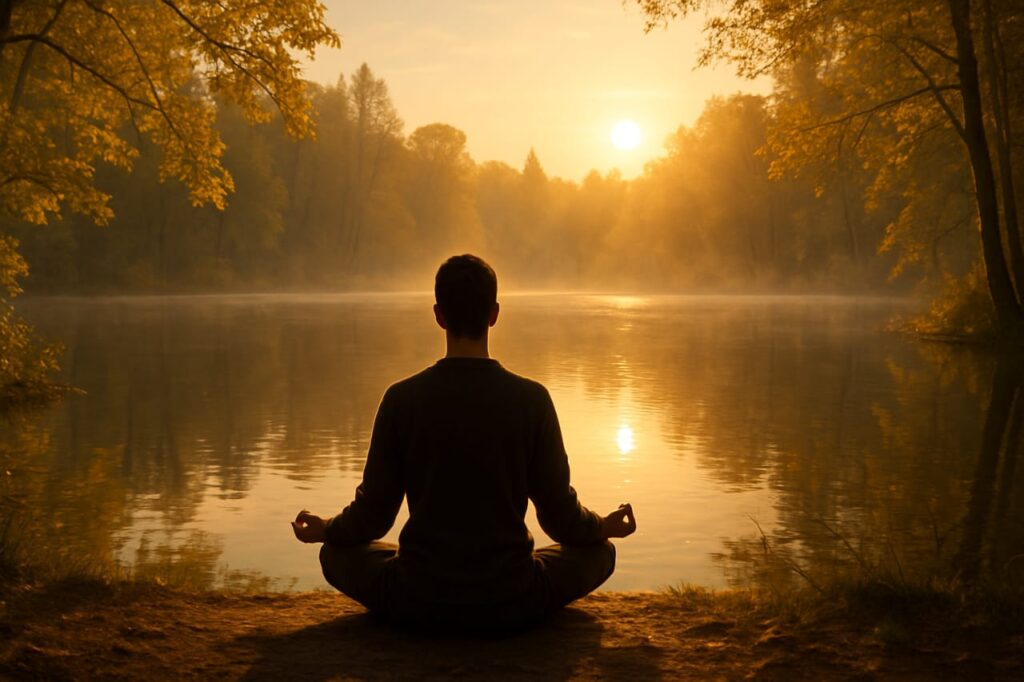
Meditation is extremely simple to begin:
Step 1: Choose a Quiet Space
Sit where there is minimal noise and distraction.
Step 2: Sit Comfortably
Use a chair or floor—whichever feels comfortable.
Step 3: Close Your Eyes & Observe Your Breath
Feel the natural flow of your breath without controlling it.
Step 4: Let Thoughts Come and Go
Do not fight or suppress thoughts.
Simply observe them and let them pass.
Step 5: Start with 5 Minutes
Gradually increase to 10, 15, or 20 minutes.
Effective Meditation Techniques
• Om Chanting
• Breath Awareness
• Guided Meditation
• Body Scan Meditation
6. How to Add Yoga and Meditation to Your Daily Routine
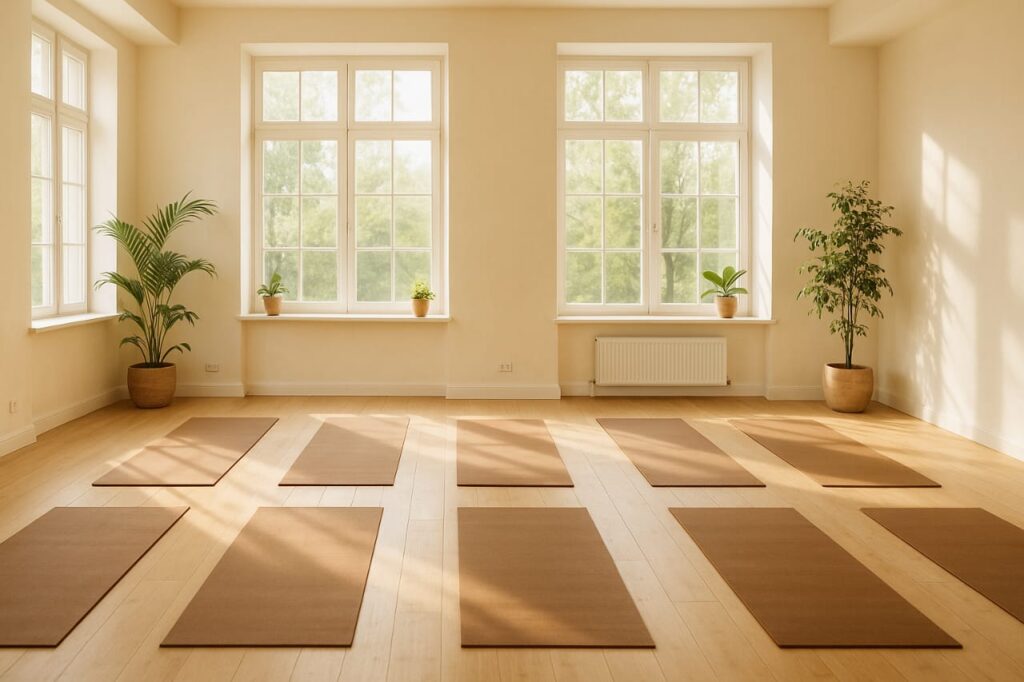
Morning Is the Best Time
The early morning environment is calm and refreshing—ideal for practice.
Keep Your Phone Away
Digital distractions disrupt focus.
Play Soft Music if Needed
Light instrumental music enhances meditation.
Practice 10 Minutes of Meditation After Yoga
Yoga relaxes the body; meditation relaxes the mind.
Together, they create a powerful impact.
7. Mistakes You Should Avoid
• Do not practice difficult postures on an empty stomach
• Avoid heavy meals immediately after yoga
• Choose gentle poses if your body feels sore
• Don’t meditate expecting instant results
• Avoid comparing your progress with others
8. How Yoga & Meditation Transform Your Life
If you practice consistently for 21 days, you will notice:
• A calmer mind
• Reduced anger and emotional reactions
• Deep and peaceful sleep
• Increased physical energy
• A glowing face due to improved blood flow
• Better decision-making ability
Yoga and meditation help you discover your inner strength.
They bring balance, confidence, and clarity that external factors cannot provide.
Conclusion: How to do Yoga and Meditation
Yoga and meditation are not one-day practices—they are lifestyle choices.
Even small, consistent efforts can lead to powerful changes.
If you’re dealing with stress, fatigue, negative thoughts, or simply want a balanced life, yoga and meditation can become your greatest companions.
Start today.
Feel your breath.
Allow your mind to settle.
Your body and soul will thank you.
Read this :-
- Best of Cardio vs strength training for weight loss
- Facebook page :- Dailylife99
FAQs: How to do Yoga and Meditation
1. What is the best time to practice yoga and meditation?
Morning is considered ideal because the mind is fresh and the environment is quiet, but you can practice anytime that suits your routine.
2. How long should beginners meditate?
Start with 5 minutes a day and gradually increase the duration to 15 or 20 minutes.
3. Can yoga help with weight loss?
Yes. Yoga boosts metabolism, tones muscles, improves digestion, and reduces emotional eating—helping in healthy weight management.
4. Do I need equipment for yoga?
No. A simple mat and comfortable clothing are enough.
5. How quickly can I see results from meditation?
Results vary from person to person. With consistent practice, you may notice reduced stress and better focus within a few weeks.(How to do Yoga and Meditation)
Disclaimer :-
© DailyLife99 — The information provided here is for general purposes only. For any kind of health-related issue, please consult your specialist or doctor first. DailyLife99.com does not claim responsibility for any harm or consequences arising from the use of this information.