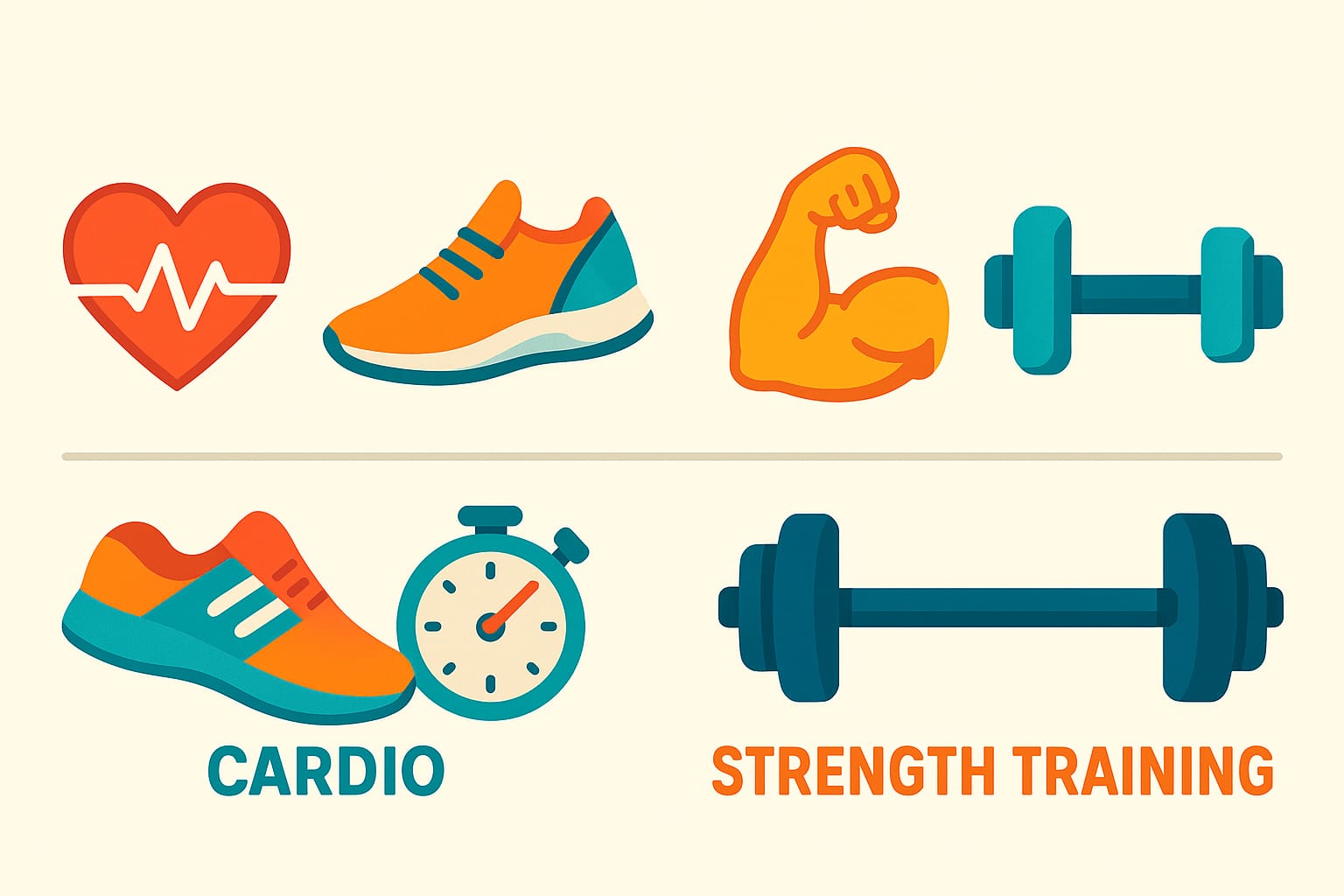
Cardio vs strength training for weight loss:-When it comes to losing weight, the debate between “cardio vs strength training” has been going on for years. Some people swear by running, cycling, and other aerobic workouts, while others believe lifting weights is the real solution for fat loss. The truth is, both exercise styles offer unique benefits — but understanding how they work can help you build a smarter, more effective weight-loss strategy.
In this detailed guide, you’ll learn the key differences between cardio and strength training, how they impact calorie burn, metabolism, body composition, and overall health. By the end, you’ll have clarity on which one suits your goals, lifestyle, and fitness level best.
What Is Cardio?

Cardiovascular exercise (cardio) includes rhythmic, continuous activities that raise your heart rate. Common examples are:
• Running
• Brisk walking
• Cycling
• Jump rope
• Swimming
• Aerobic group classes
Cardio improves heart and lung health, increases endurance, and helps you burn calories quickly. It is especially popular among beginners because it requires little equipment and is easy to start.
What Is Strength Training?

Strength training, or resistance training, involves using your body weight or external weights to build muscle. Popular forms include:
• Weightlifting
• Bodyweight workouts (push-ups, squats, planks)
• Resistance band exercises
• Kettlebell training
• Gym machines
Strength training not only improves muscle mass and strength but also boosts metabolism, enhances posture, and shapes a leaner physique.
Cardio vs Strength Training: Which Burns More Calories?

When comparing the two forms of exercise, the first question most people ask is: “Which burns more calories?”
Cardio Calorie Burn
Cardio generally burns more calories during the workout. For example:
• Running for 30 minutes burns roughly 300–400 calories
• Cycling for 30 minutes burns 200–300 calories
• Swimming for 30 minutes burns 250–350 calories
This makes cardio an excellent option for those who want quick calorie expenditure.
Strength Training Calorie Burn
Strength training burns fewer calories during the workout, but it raises your resting metabolic rate for up to 48 hours after your session. This is known as the afterburn effect or EPOC (Excess Post-exercise Oxygen Consumption).
You burn calories even while sleeping, eating, or sitting—something cardio cannot match to the same extent.
Verdict
• Cardio burns more calories instantly.
• Strength training burns more calories in the long run.
How Cardio Helps Fat Loss

Cardio is excellent for:
• Reducing water retention
• Improving heart health
• Burning calories quickly
• Supporting better stamina
It is particularly helpful for overweight individuals who need to start with low-impact exercise.
How Strength Training Helps Fat Loss
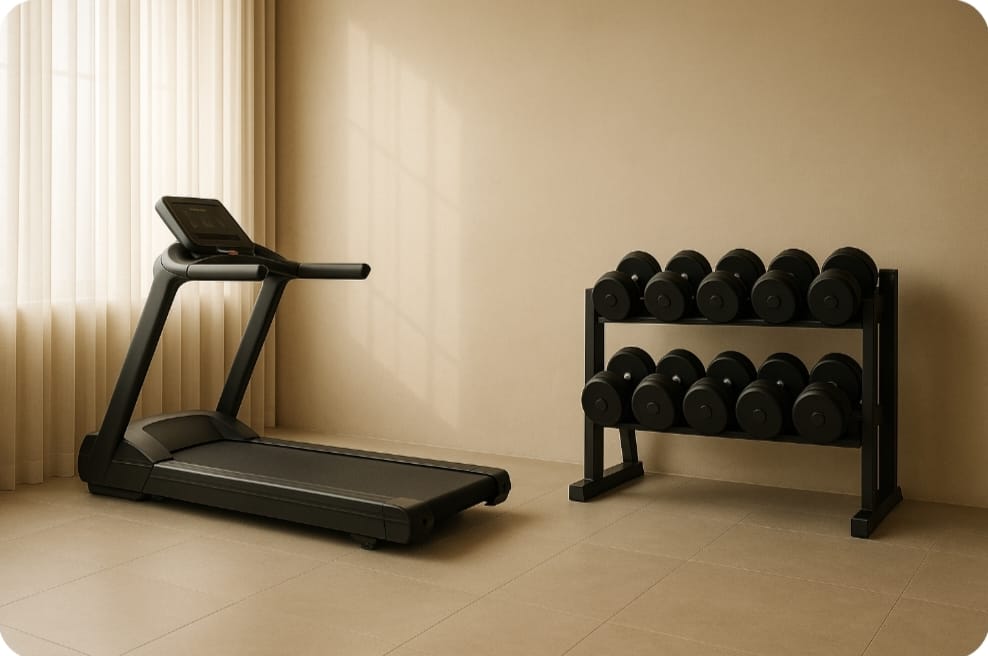
Strength training builds lean muscle, which is metabolically active. The more muscle you have, the more calories you burn throughout the day.
Even at rest, muscle burns more calories than fat.
Strength training:
• Increases lean body mass
• Shapes and tones the body
• Reduces body fat percentage
• Prevents weight regain
People who lift weights often find it easier to maintain their weight loss long-term.
Verdict
For changing body shape and burning fat, strength training is more powerful. For quick calorie burn, cardio is better.
Cardio, strength and Metabolism
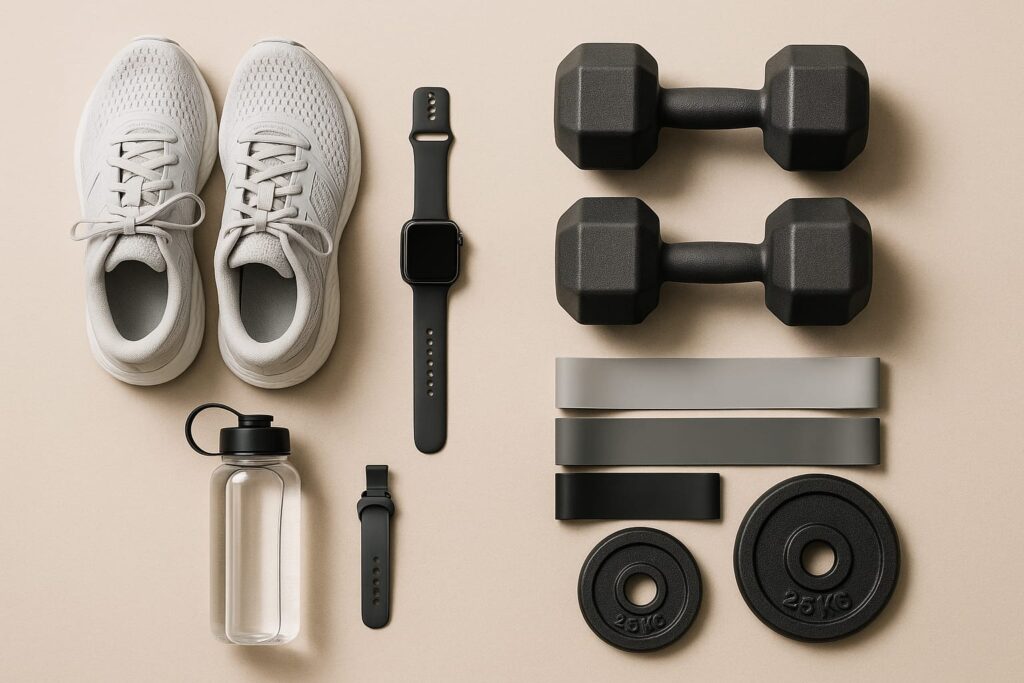
Cardio and metabolism
Regular cardio improves cardiovascular function but does not significantly increase muscle mass. Since metabolism is closely linked to muscle volume, cardio alone is not the best tool for boosting metabolic rate.
Strength Training and Metabolism
Strength training increases metabolism by:
• Building muscle
• Enhancing the afterburn effect
• Improving hormonal balance
• Increasing daily energy expenditure
This makes the body more efficient at burning calories even when not exercising.
Verdict
Strength training wins for metabolic improvement.
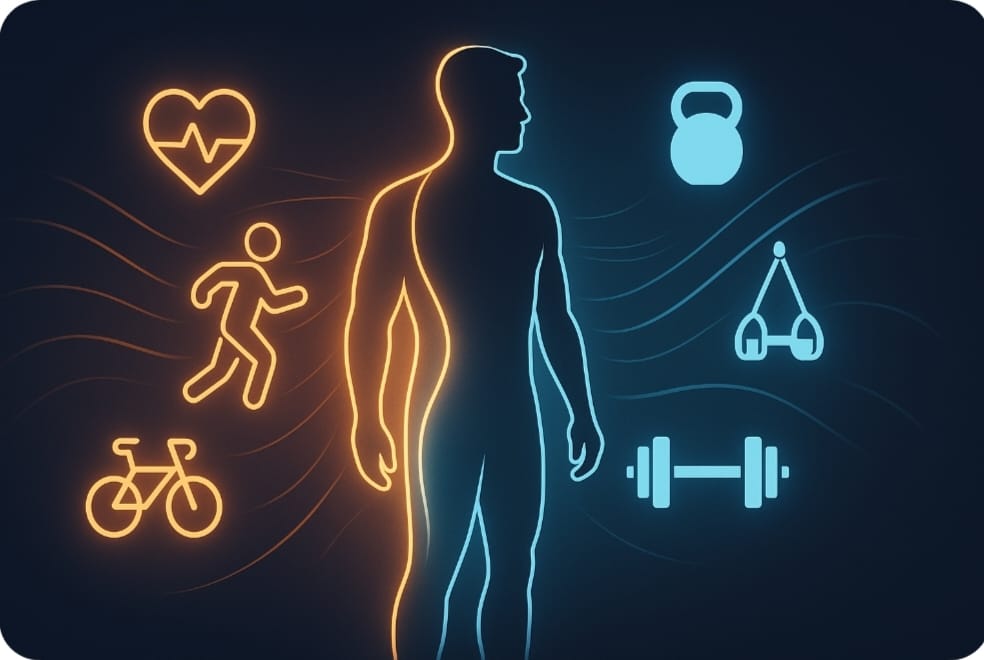
Cardio vs strength training benefits
Cardio Benefits
• Strengthens the heart
• Increases lung capacity
• Reduces stress and anxiety
• Improves blood circulation
• Lowers blood pressure
• Helps manage cholesterol levels
Strength Training Benefits
• Prevents osteoporosis and bone loss
• Increases muscle strength
• Enhances joint stability
• Improves posture
• Reduces risk of injury
• Boosts insulin sensitivity
Both cardio and strength training are essential for overall well-being, but each supports different aspects of health.
Why You Should Combine Cardio and Strength Training
Using both forms of exercise helps you:
• Burn more calories
• Build lean muscle
• Improve metabolism
• Maintain long-term weight loss
• Improve overall fitness
• Keep workouts interesting
Most fitness experts recommend:
• 3–4 days of strength training per week
• 2–3 days of cardio per week
This balanced routine ensures maximum fat loss and minimal muscle loss.
Best Cardio vs strength Workouts for Weight Loss
Best Cardio Workouts for Weight Loss
1. Running or jogging
2. HIIT (High-Intensity Interval Training)
3. Jump rope
4. Swimming
5. Cycling
6. Rowing machine workouts
7. Dance aerobics or Zumba
Why HIIT Is Highly Effective
HIIT combines short bursts of intense activity with rest periods. It burns more calories in less time and produces a strong afterburn effect.
Best Strength Training Workouts for Weight Loss
1. Squats
2. Deadlifts
3. Lunges
4. Push-ups
5. Pull-ups
6. Dumbbell or barbell lifts
7. Kettlebell swings
8. Resistance band training
These exercises target multiple muscle groups simultaneously, increasing calorie burn and promoting faster fat loss.
How to Choose the Right Workout for You
Choose Cardio if you want:
• Quick calorie burn
• Better stamina
• Low-impact movement (walking, cycling)
• Immediate sweat and energy release
Choose Strength Training if you want:
• A toned, sculpted body
• Faster metabolism
• Long-lasting fat loss
• Stronger muscles and bones
Choose Both if you want:
The best weight-loss results with improved fitness, health, and body composition.
Tips to Maximize Weight Loss With Cardio and Strength Training
• Start slowly and increase intensity gradually
• Combine HIIT with weight lifting for faster fat loss
• Eat a balanced diet rich in protein
• Take rest days to avoid burnout
• Track your workouts and progress
• Stay hydrated
• Maintain consistency, not perfection
Conclusion
The “cardio vs strength training for weight loss” debate doesn’t have a one-size-fits-all answer. Cardio helps burn calories quickly and supports heart health, while strength training builds muscle, boosts metabolism, and improves long-term fat loss. The best approach is combining both to maximize results.
By understanding how each type of exercise works and aligning it with your fitness goals, you can create a personalized routine that accelerates your weight-loss journey and builds a stronger, healthier body.
Read this :-
- Vitamins Supplements for hair growth
- Facebook page :- Dailylife99
FAQs:- Cardio vs Strength Training for Weight Loss
1. Which is better for weight loss, cardio or strength training?
Both help in different ways. Cardio burns more calories instantly, while strength training boosts metabolism and supports long-term fat loss.
2. Can strength training burn belly fat?
Strength training helps build muscle, increase metabolism, and reduce overall body fat, including belly fat indirectly.
3. How many days a week should I do cardio and strength training?
Aim for 3–4 days of strength training and 2–3 days of cardio for balanced results.
4. Is cardio necessary if I lift weights?
Not necessary, but adding light cardio improves heart health and speeds up weight loss.
5. Can I lose weight with only strength training?
Yes, but results may come slower than combining both. Weight training alone supports long-term fat reduction.
6. What is the best workout for beginners?
Brisk walking for cardio and bodyweight exercises like squats, lunges, and push-ups for strength training.
7. Is HIIT better than traditional cardio?
HIIT burns more calories in less time and boosts afterburn, making it highly effective for weight loss.
8. Should I do cardio before or after strength training?
For fat loss, it’s generally best to do strength training first, then cardio.
Disclaimer :-
© DailyLife99 — The information provided here is for general purposes only. For any kind of health-related issue, please consult your specialist or doctor first. DailyLife99.com does not claim responsibility for any harm or consequences arising from the use of this information.