
For years, many people believed that protein only comes from chicken, eggs, and dairy. But that’s not true. Some of the best sources of protein come straight from nature — vegetables, legumes, and plant-based foods.
Whether you are vegetarian, vegan, trying to lose weight, building muscle, or simply improving your health, Top 12 best protein-rich vegetables can help you meet your daily needs without relying on animal products.
Why Protein Is Essential for Your Body
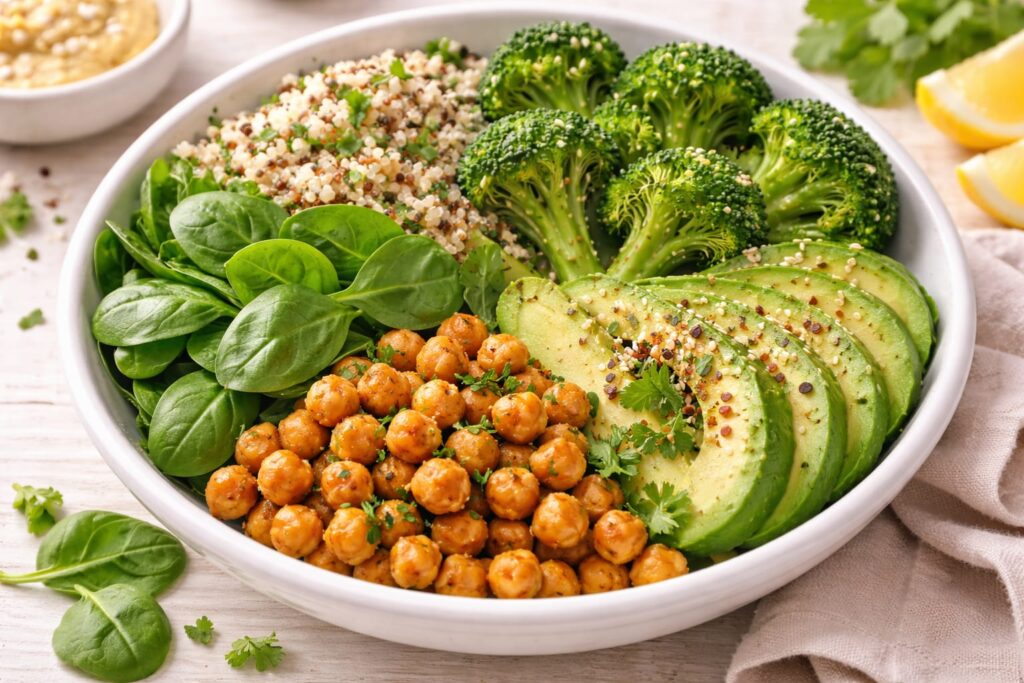
Before diving into the best protein vegetables, let’s understand why protein matters so much.
Protein is made of amino acids, which are the building blocks of your body. Every cell in your body uses protein to function properly.
1. Supports Muscle Growth and Repair
When you exercise or perform physical activity, your muscles experience small tears. Protein helps repair those tears and makes muscles stronger.
2. Keeps You Full Longer
Protein takes longer to digest compared to carbs. This helps reduce hunger and prevents overeating. That’s why high-protein meals are excellent for weight loss.
3. Boosts Metabolism
Your body burns more calories digesting protein than fats or carbohydrates. This is known as the thermic effect of food.
4. Improves Hair, Skin, and Nails
Keratin and collagen are protein-based structures. Adequate protein intake improves hair thickness, skin elasticity, and nail strength.
5. Supports Hormones and Enzymes
Many hormones and enzymes that regulate digestion, mood, and metabolism are protein-based.
How Much Protein Do You Need Daily?

Protein needs vary based on activity level and body weight.
•Sedentary adults: 0.8 grams per kg body weight
•Active individuals: 1.2–1.6 grams per kg
•Muscle building: 1.6–2.2 grams per kg
For example, a 60 kg person needs around 48–96 grams of protein daily depending on activity level.
The good news? You can reach this goal with protein-rich vegetables.
What Makes Vegetables a Good Protein Source?
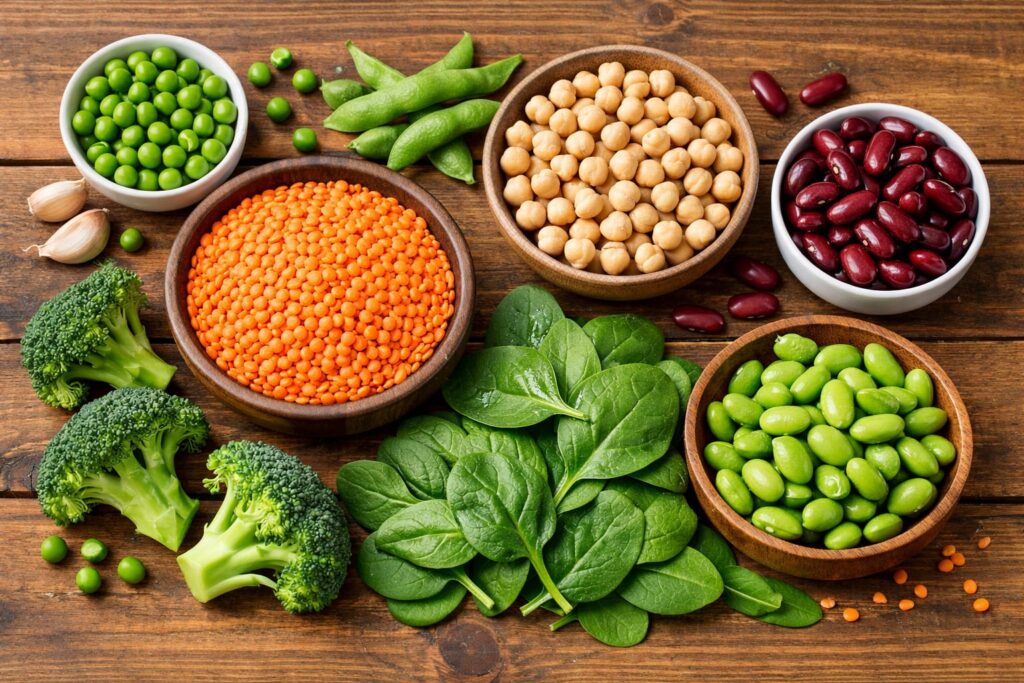
Protein vegetables offer more than just protein.
1. Rich in Fiber
Improves digestion and supports gut health.
2. Packed with Vitamins and Minerals
Iron, magnesium, potassium, folate, and antioxidants.
3. Low in Saturated Fat
Supports heart health.
4. Weight-Loss Friendly
Low calorie but high nutrient density.
5. Budget-Friendly and Sustainable
More affordable and environmentally friendly compared to meat.
Top 12 Best Protein-Rich Vegetables
1. Lentils
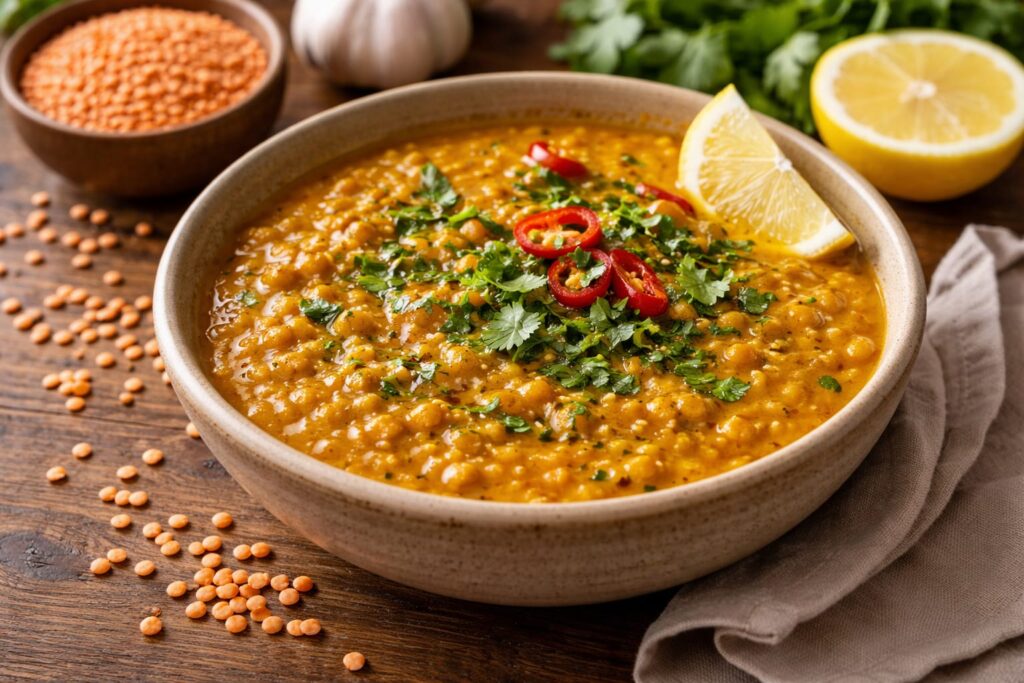
Lentils are one of the most powerful plant-based protein sources. They are rich in fiber, iron, and folate.
Why They’re Great:
•High protein and fiber combo
•Keeps you full for hours
•Supports heart health
How to Eat:
•Lentil curry
•Lentil soup
•Lentil salad
•Sprouted lentils
2. Chickpeas
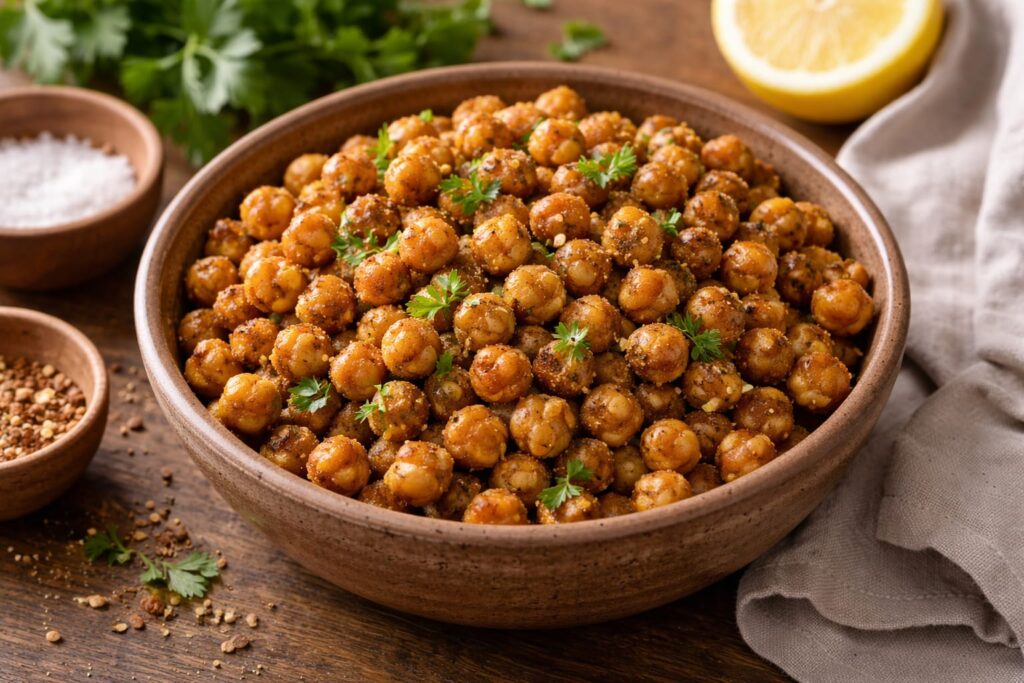
Chickpeas are small, protein-rich legumes packed with fiber, vitamins, and minerals. They support digestion, heart health, and steady energy levels. Popular in dishes like hummus, salads, and curries, chickpeas are versatile and satisfying. Their nutty flavor and creamy texture make them a healthy, affordable staple in many kitchens worldwide.
Benefits:
•Supports muscle recovery
•Helps control blood sugar
•Rich in iron and magnesium
How to Include:
•Hummus
•Roasted Chickpea snacks
•Chickpea salad
•Chole curry
3. Green Peas
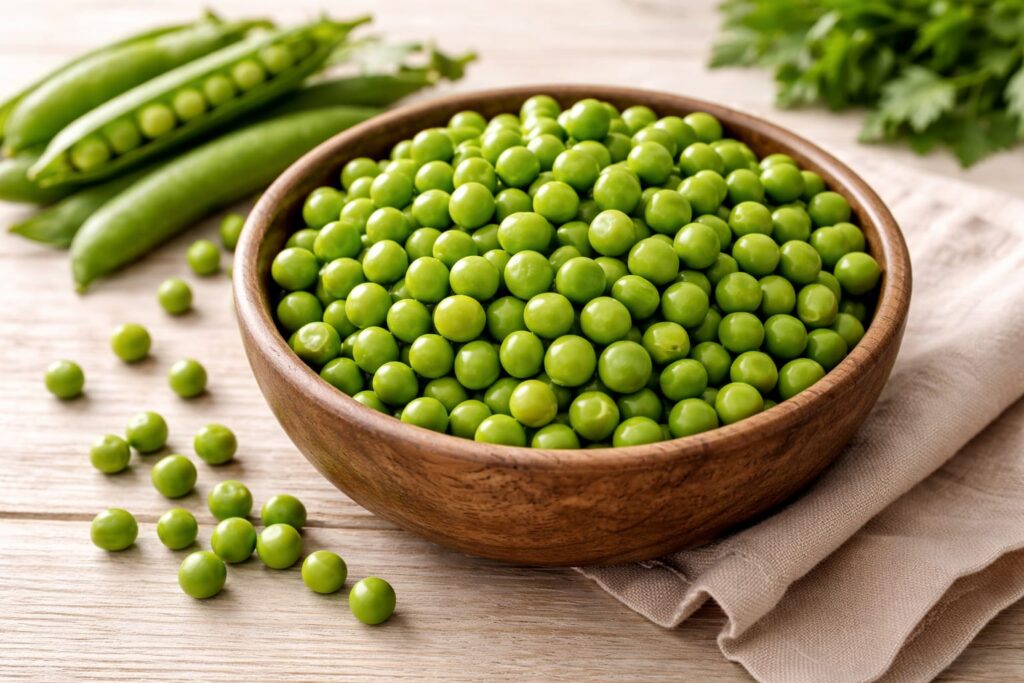
Green peas are small, sweet legumes packed with nutrition and flavor. They are rich in protein, fiber, vitamins, and antioxidants that support digestion and overall health. Easy to cook and versatile, green peas can be added to soups, curries, salads, and rice dishes, making meals both healthy and delicious.
Why They’re Good:
•Rich in vitamin C
•Supports immunity
•Good plant-based iron source
Use In:
•Pulao
•Soups
•Vegetable stir-fries
4. Spinach
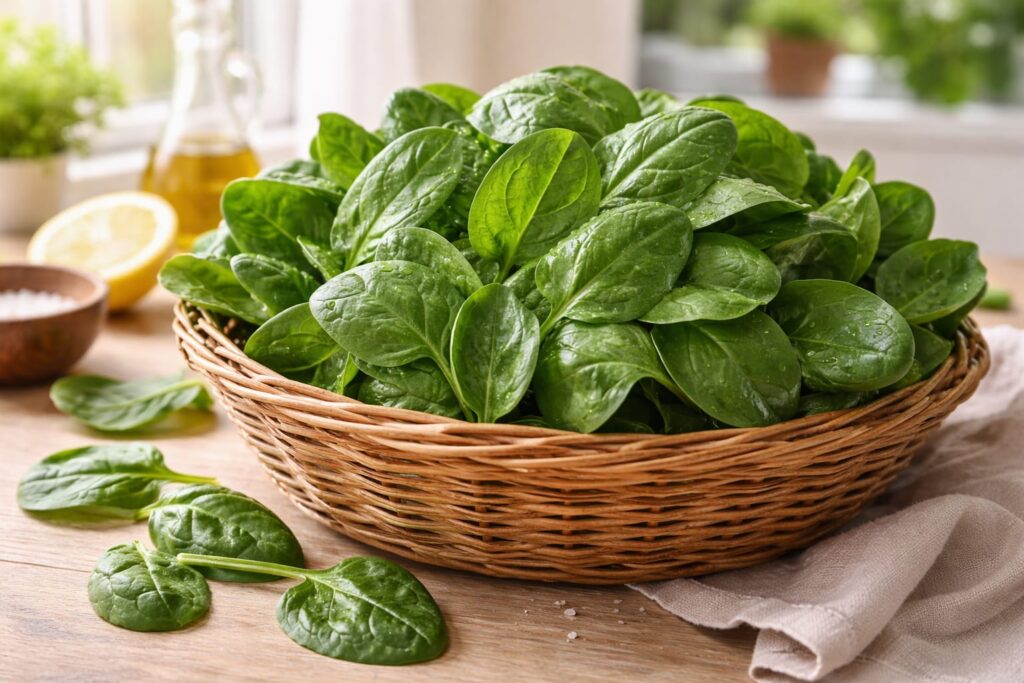
While lower in protein compared to legumes, spinach provides important amino acids and iron.
Benefits:
•Boosts energy levels
•Supports blood health
•Great for detox
Best Ways:
•Smoothies
•Palak curry
•Paratha stuffing
5. Broccoli

Broccoli contains more protein than most vegetables.
Advantages:
•High in vitamin C
•Supports fat loss
•Anti-inflammatory properties
How to Eat:
•Steamed
•Roasted
•Stir-fried
6. Edamame (Soybeans)

Edamame is one of the highest-protein vegetables and contains complete protein.
Why It’s Powerful:
•Contains all essential amino acids
•Great for gym-goers
•Supports muscle repair
Eat It As:
•Snack with salt
•Salad topping
•Stir-fry ingredient
7. Black Beans
Black beans are rich in antioxidants and fiber.
Benefits:
•Supports digestion
•Stabilizes blood sugar
•Keeps you full
Add To:
•Burritos
•Soups
•Salads
8. Kidney Beans (Rajma)
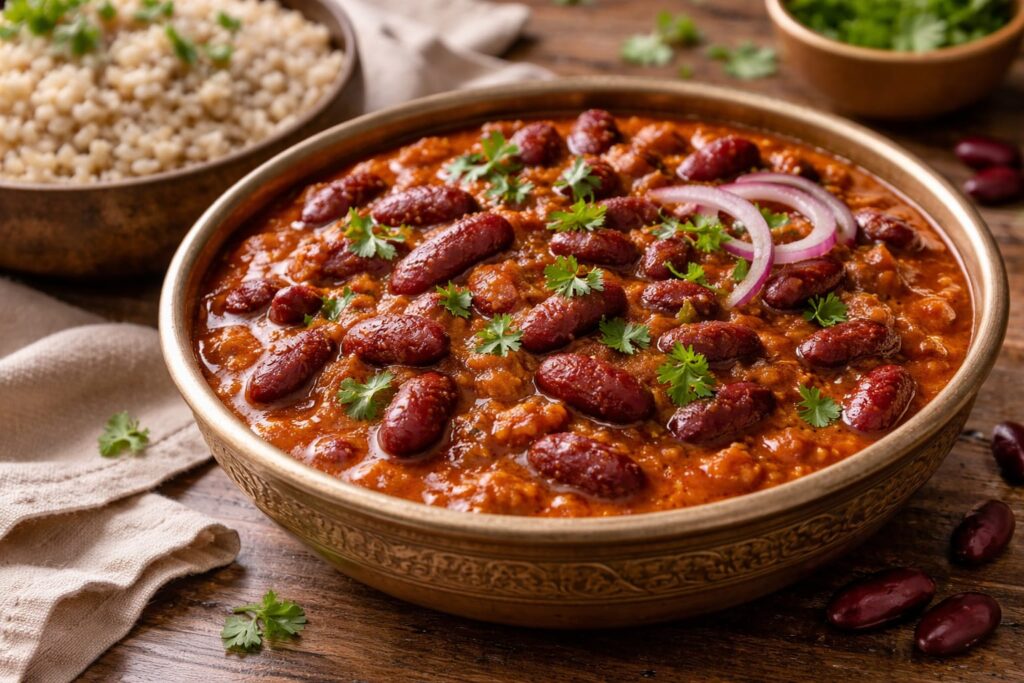
Rajma is popular in Indian cuisine and is excellent for protein intake.
Why Eat Kidney Beans:
•High in slow-digesting carbs
•Excellent for sustained energy
•Supports muscle maintenance
Use In:
• Kidney Beans Rice
•Wraps
•Salads
9. Moringa Leaves
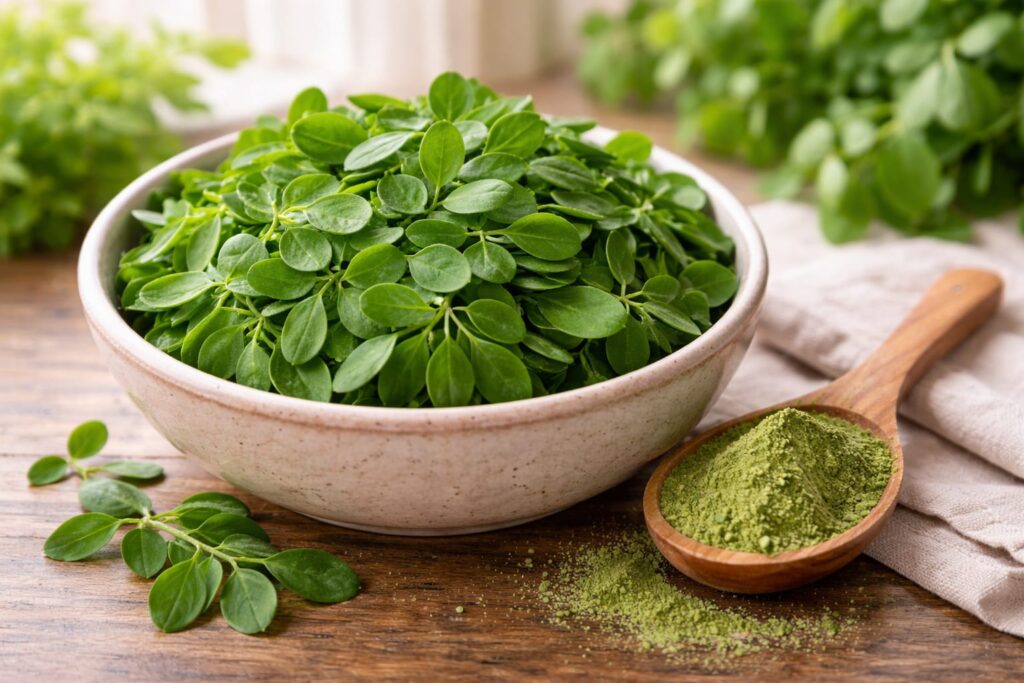
Moringa is a nutrient-dense superfood.
Benefits:
•High antioxidant content
•Supports immunity
•Great for overall wellness
Ways to Consume:
•Add leaves to curry
•Use moringa powder in smoothies
•Add to soups
10. Brussels Sprouts
These mini cabbages are rich in fiber and plant protein.
Advantages:
•Good for gut health
•Supports detox
•Rich in vitamin K
Best Method:
•Roasted with olive oil
11. Asparagus
Asparagus is light but nutrient-rich.
Benefits:
•Natural detox vegetable
•Supports digestion
•Low calorie
Use In:
•Stir-fry
•Grilled side dish
12. Cauliflower
Cauliflower is a low-calorie alternative to rice.
Why It’s Useful:
•Weight-loss friendly
•Versatile ingredient
•Supports gut health
Try As:
•Cauliflower rice
•Curry
•Roasted dish
How to Combine Vegetables for Complete Protein
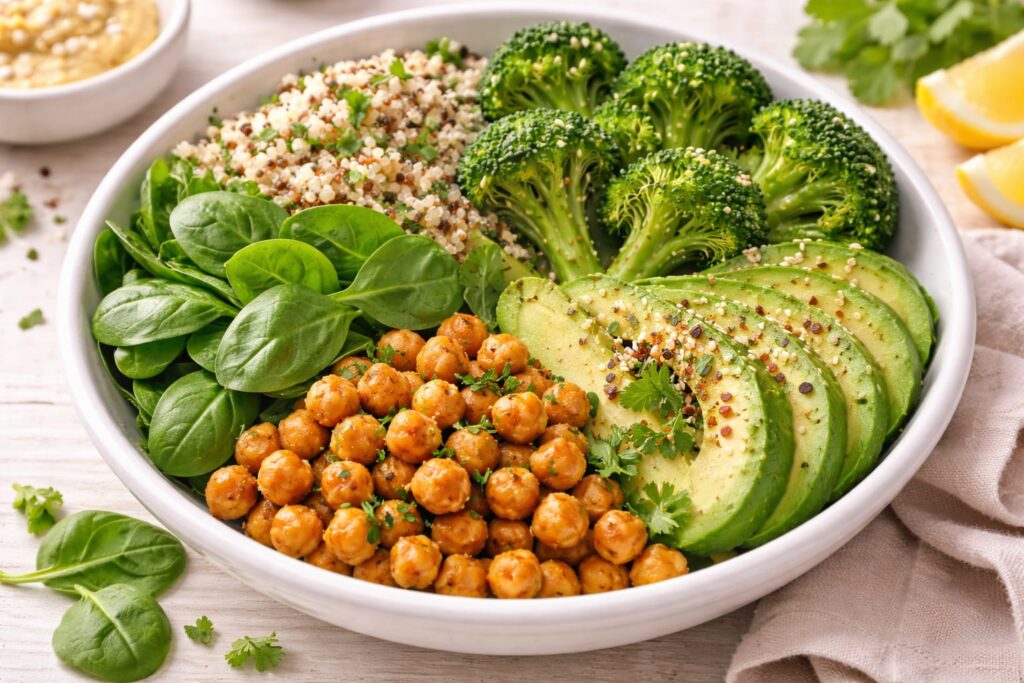
Most plant proteins are incomplete, meaning they lack one or more essential amino acids. But combining foods solves this.
Smart Combinations:
•Lentils + rice
•Hummus + whole wheat roti
•kedney beans + brown rice
•Beans + quinoa
Eating a variety of plant proteins throughout the day ensures you get all essential amino acids.
Best Protein Vegetables for Muscle Gain
If your goal is muscle building, focus on:
•Lentils
•Chickpeas
•Edamame
•Kidney beans
•Black beans
Pair them with strength training and adequate calories for optimal results.
Best Protein Vegetables for Weight Loss
For fat loss, choose vegetables that are:
•High in protein
•High in fiber
•Low in calories
Top picks:
•Spinach
•Broccoli
•Peas
•Cauliflower
•Lentils
These keep you full and prevent unnecessary snacking.
Easy High-Protein Veg Meal Ideas
1. Protein-Packed Salad Bowl
Chickpeas + spinach + roasted broccoli + lemon dressing
2. High-Protein Dal Soup
Mixed lentils with vegetables and spices
3. Chickpea Stir-Fry
Chickpeas sautéed with bell peppers and onions
4. Green Power Smoothie
Spinach + moringa powder + banana + almond milk
5. Rajma Brown Rice Plate
Kidney beans + brown rice + salad
Quick Protein Comparison (Per 100g Cooked)
•Edamame – 11g
•Lentils – 9g
•Chickpeas – 8–9g
•Black Beans – 8–9g
•Kidney Beans – 8g
•Green Peas – 5g
•Broccoli – 3–4g
•Spinach – 3g
Expert Tips to Increase Plant Protein Intake
•Add lentils to lunch daily
•Snack on roasted Chickpeas
•Include sprouts in breakfast
•Replace white rice with quinoa occasionally
•Plan weekly protein-rich meals
Final Thoughts: Best Protein-Rich Vegetables
Protein-rich vegetables prove that you don’t need meat to meet your daily protein goals. Lentils, chickpeas, beans, peas, and leafy greens offer a powerful combination of protein, fiber, vitamins, and antioxidants that support muscle growth, weight management, digestion, and overall wellness. The key is variety and balance—combining different plant sources throughout the day ensures your body gets all essential amino acids. With smart meal planning, plant-based protein can be affordable, sustainable, and delicious. Start small, stay consistent, and make these nutrient-dense vegetables a regular part of your plate for long-term health benefits and natural energy.
FAQs: Best Protein-Rich Vegetables
Q1.Which vegetable has the highest protein content?
Edamame (young soybeans) is one of the highest-protein vegetables, offering around 11 grams of protein per 100 grams. Among commonly available options, lentils, chickpeas, kidney beans, and black beans are also excellent high-protein choices. Legumes generally contain more protein than leafy or cruciferous vegetables.
Q2.Can I get enough protein from vegetables alone?
Yes, you can meet your protein needs through vegetables and plant-based foods if you eat a variety and sufficient quantity. Combining legumes (like lentils and beans) with whole grains (like rice or quinoa) ensures you get all essential amino acids. Proper meal planning is key.
Q3.Are protein-rich vegetables good for weight loss?
Absolutely. High-protein vegetables are also rich in fiber, which keeps you full longer and reduces cravings. Foods like lentils, chickpeas, broccoli, spinach, and peas help control hunger while providing essential nutrients, making them ideal for healthy weight management.
Q4.What are the best protein vegetables for muscle gain?
For muscle growth, focus on lentils, chickpeas, kidney beans, black beans, and edamame. These provide higher protein levels compared to most vegetables. Pair them with strength training and adequate calorie intake for better muscle recovery and growth.
Q5.How can vegetarians increase daily protein intake naturally?
Vegetarians can increase protein intake by:
•Adding lentils or beans to daily meals
•Snacking on roasted chickpeas
•Including sprouts in breakfast
•Using soy products like tofu or edamame
•Combining legumes with whole grains
Consistency and variety make plant-based protein both effective and sustainable.
Read this also :-
- Top 12 Benefits of Moringa Powder for Women: A Complete Natural Wellness Guide
- Top 10 Workout for Weight Loss for Beginners at Home: Simple & Effective
- Top 10 Healthy Breakfast Ideas for Heart Patients | Simple & Heart-Safe Meals
- Facebook page :- Dailylife99
Disclaimer:-
The information provided on DailyLife99.com is for educational and informational purposes only and does not constitute medical advice. We are not medical professionals. The content shared on this website, including health and Ayurvedic information, is not intended to diagnose, treat, cure, or prevent any disease.
Always consult a qualified physician or licensed healthcare provider before making any health-related decisions. DailyLife99.com is not responsible for any outcomes or consequences resulting from the use of this information.