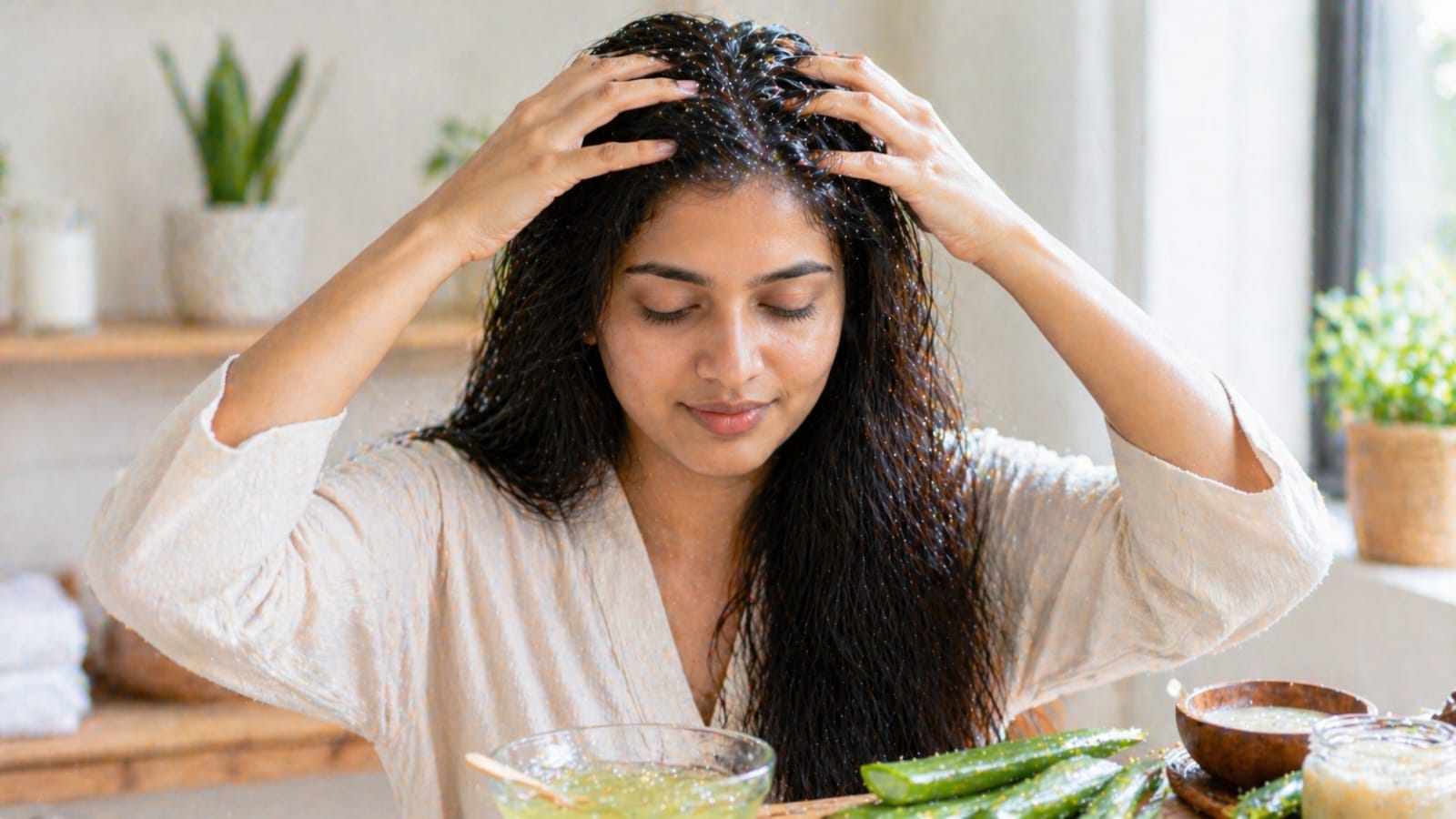
Dandruff is one of the most common scalp problems people experience today. Those small white flakes on your shoulders and the constant itching can be frustrating and sometimes embarrassing. While many chemical shampoos promise quick results, they often contain harsh ingredients that may dry out the scalp or damage hair in the long run.
This is why many people are turning to natural remedies. One of the most trusted and effective natural solutions for dandruff is aloe vera. Known for its soothing, moisturizing, and healing properties, aloe vera has been used for centuries to support healthy skin and hair. we will explore the benefits of aloe vera for dandruff, how it works, and the best ways to use it at home for a healthier scalp.
What Is Aloe Vera?
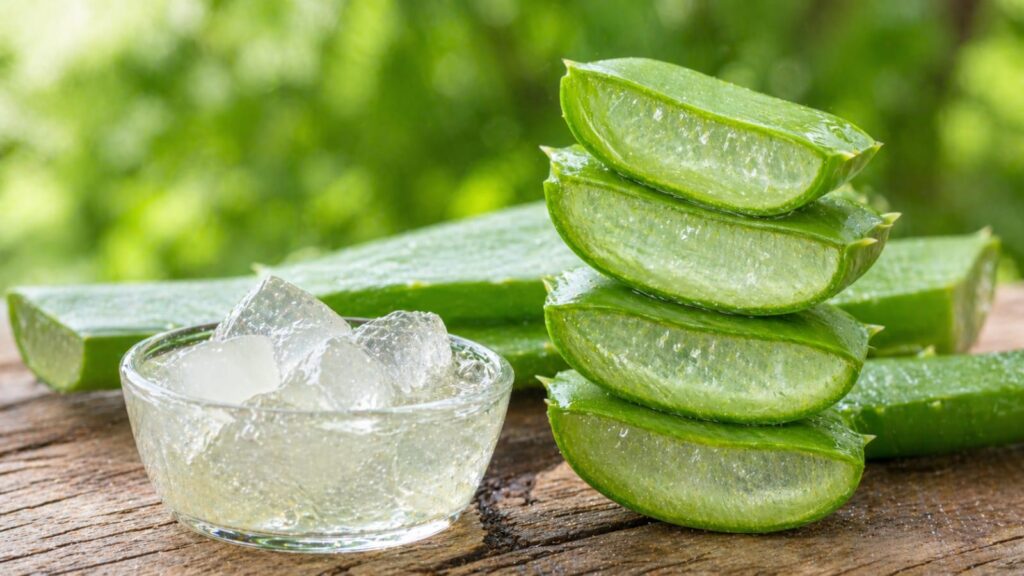
Aloe vera is a succulent plant widely known for its medicinal and cosmetic uses. The thick green leaves of the aloe vera plant contain a clear gel that is packed with beneficial nutrients.
This gel is rich in:
•Vitamins A, C, and E
•Vitamin B12
•Enzymes
•Amino acids
•Antioxidants
•Anti-inflammatory compounds
Because of these nutrients, aloe vera is commonly used for skin care, hair care, and natural healing remedies. When applied to the scalp, aloe vera helps soothe irritation, hydrate the skin, and improve overall scalp health.
What Causes Dandruff?
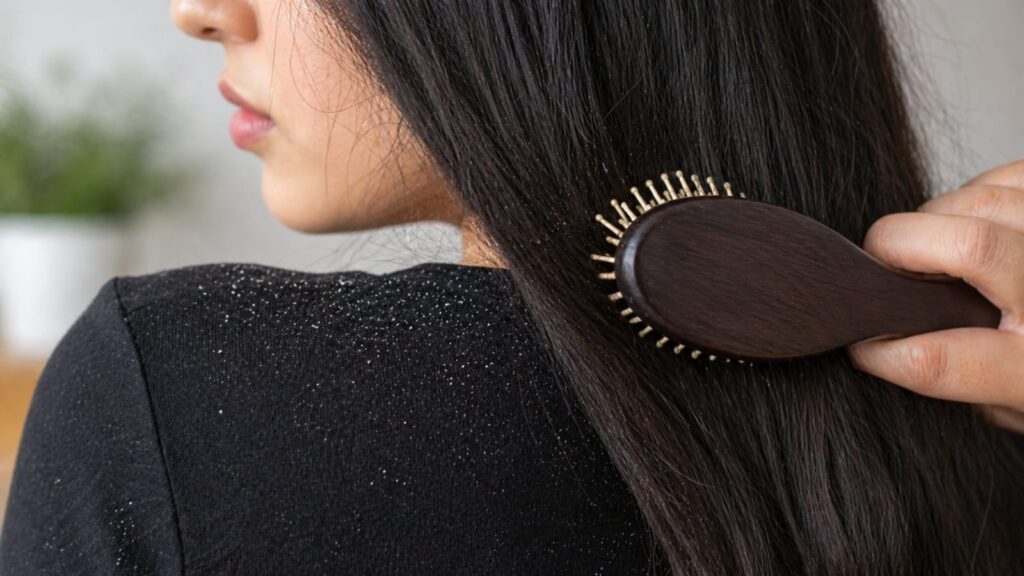
Before understanding how aloe vera helps, it is important to know what causes dandruff in the first place.
Dandruff can develop due to several reasons.
1. Dry Scalp
A dry scalp is one of the most common causes of dandruff. When the scalp lacks moisture, the skin starts to flake off, leading to dandruff.
2. Excess Oil Production
In some people, the scalp produces too much oil. This can create an ideal environment for yeast and fungi to grow, which may lead to dandruff.
3. Fungal Growth
A yeast-like fungus called Malassezia naturally lives on the scalp. However, when it grows excessively, it can cause irritation and dandruff flakes.
4. Product Buildup
Using too many hair styling products can lead to buildup on the scalp. This buildup may irritate the scalp and cause dandruff.
5. Poor Hair Hygiene
Not washing hair regularly can allow oil, dead skin cells, and dirt to accumulate on the scalp.
6. Stress and Diet
Poor nutrition and high stress levels can also affect scalp health and contribute to dandruff.
Top Benefits of Aloe Vera for Dandruff
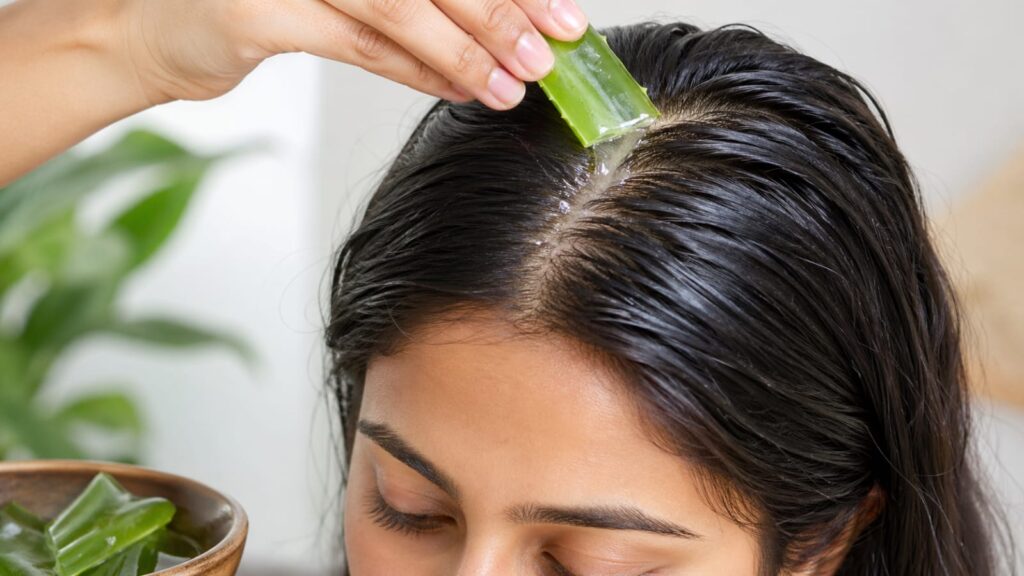
Aloe vera is considered one of the best natural remedies for dandruff because it targets several causes of the condition at once.
1. Soothes an Itchy Scalp
One of the most uncomfortable symptoms of dandruff is constant itching. Aloe vera has natural cooling and soothing properties that help calm irritated skin.
When applied to the scalp, aloe vera can reduce redness, itching, and inflammation, providing instant relief.
2. Helps Reduce Dandruff Flakes
Aloe vera helps gently remove dead skin cells from the scalp. Its natural enzymes support skin renewal and help prevent excessive flaking.
Regular use may gradually reduce visible dandruff flakes.
3. Fights Fungal Infections
Studies suggest that aloe vera has natural antifungal and antibacterial properties. This means it may help control the fungus responsible for dandruff.
By reducing fungal growth on the scalp, aloe vera can help prevent dandruff from recurring.
4. Deeply Moisturizes the Scalp
Dry scalp is a major cause of dandruff. Aloe vera gel acts as a natural moisturizer that hydrates the scalp without making it greasy.
Proper scalp hydration helps maintain a healthy skin barrier and prevents flaking.
5. Strengthens Hair Roots
Healthy hair begins with a healthy scalp. Aloe vera nourishes the scalp with vitamins and minerals that support hair follicles.
This can help strengthen hair roots and improve overall hair health.
6. Balances Oil Production
Aloe vera helps regulate sebum production on the scalp. It cleans excess oil while maintaining the natural moisture balance.
This makes aloe vera suitable for both dry scalp and oily scalp conditions.
7. Promotes Overall Scalp Health
Aloe vera improves blood circulation when gently massaged into the scalp. Better circulation helps deliver nutrients to hair follicles and supports healthier hair growth.
A healthy scalp environment reduces the chances of dandruff and other scalp issues.
How to Use Aloe Vera for Dandruff
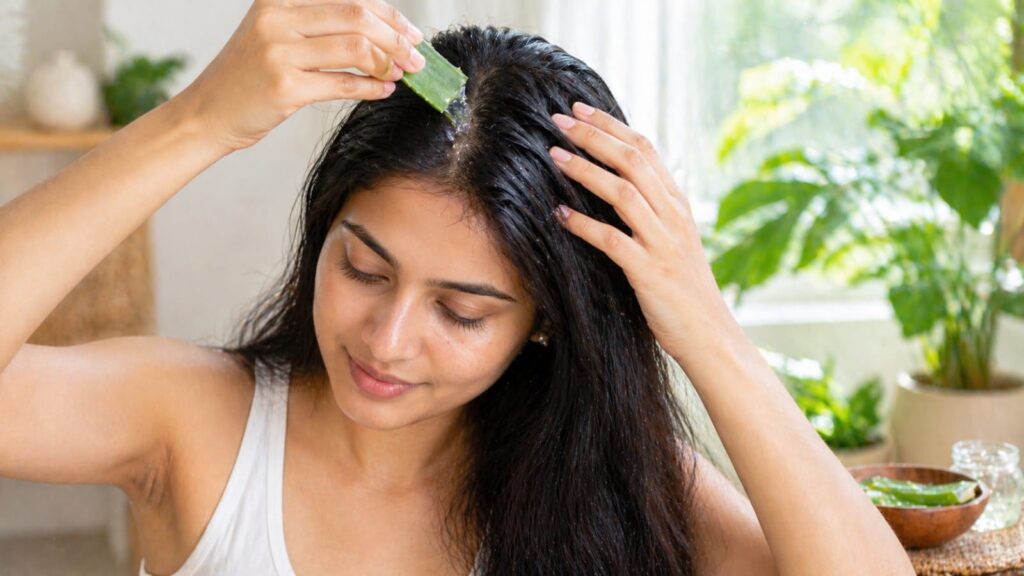
Aloe vera can be used in several simple ways to treat dandruff naturally. The best part is that most remedies require only a few ingredients.
1. Pure Aloe Vera Gel Treatment
This is the simplest and most effective method.
How to use:
•Extract fresh gel from an aloe vera leaf.
•Apply the gel directly to your scalp.
•Massage gently for a few minutes.
•Leave it on for 30–40 minutes.
•Wash your hair with a mild shampoo.
Frequency:
•Use 2–3 times per week for best results.
2. Aloe Vera and Lemon Juice
Lemon juice helps reduce excess oil and remove dandruff flakes.
Ingredients:
•2 tablespoons aloe vera gel
•1 tablespoon lemon juice
Method:
•Mix both ingredients in a bowl.
•Apply the mixture to your scalp.
•Leave it on for 20–30 minutes.
•Rinse with lukewarm water and shampoo.
This remedy is especially helpful for people with oily scalp.
3. Aloe Vera and Coconut Oil
Coconut oil nourishes the scalp and prevents dryness.
Ingredients:
•2 tablespoons aloe vera gel
•1 tablespoon coconut oil
How to apply:
•Mix the ingredients well.
•Massage the mixture into your scalp.
•Leave it on for about 30 minutes.
•Wash with a mild shampoo.
This treatment helps deeply moisturize the scalp and reduce dandruff caused by dryness.
4. Aloe Vera and Tea Tree Oil
Tea tree oil has powerful antifungal properties that can help fight dandruff.
Ingredients:
•3 tablespoons aloe vera gel
•3–4 drops tea tree oil
Method:
•Mix the ingredients thoroughly.
•Apply to the scalp and massage gently.
•Leave for 20–30 minutes before washing.
This combination helps target dandruff-causing microbes.
5. Aloe Vera and Yogurt Hair Mask
Yogurt helps cleanse the scalp and restore its natural balance.
Ingredients:
•3 tablespoons aloe vera gel
•2 tablespoons yogurt
How to use:
•Mix both ingredients to form a smooth paste.
•Apply the mask to your scalp.
•Leave it for 30 minutes.
•Rinse and shampoo your hair.
This mask is excellent for soothing irritated scalp.
Step-by-Step Aloe Vera Hair Mask for Dandruff
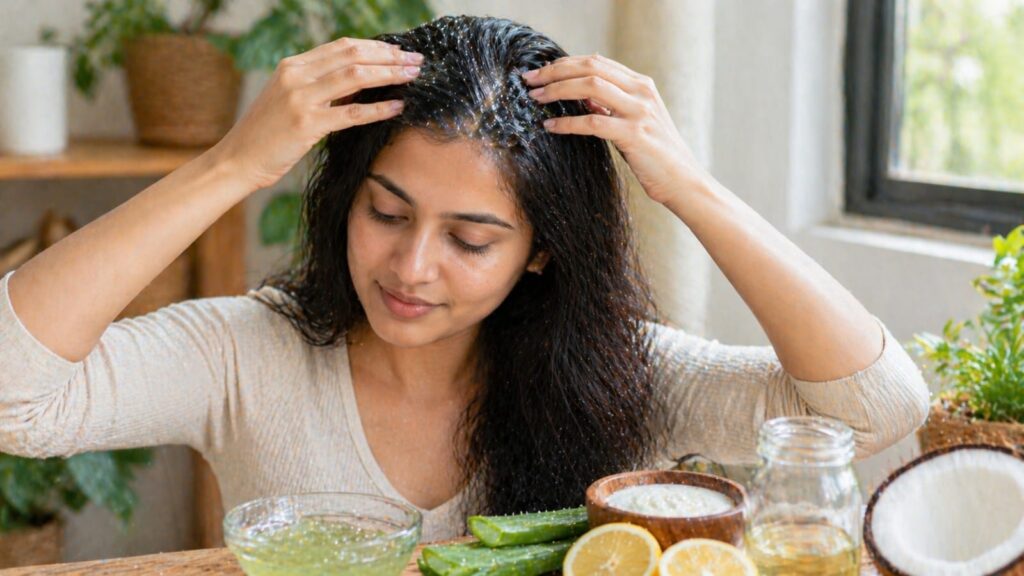
If you want a powerful home treatment, try this simple aloe vera hair mask.
Ingredients
•3 tablespoons fresh aloe vera gel
•1 tablespoon coconut oil
•1 tablespoon yogurt
•1 teaspoon lemon juice
Preparation
Mix all the ingredients in a bowl until you get a smooth paste.
Application
•Apply the mask evenly on your scalp.
•Massage gently with your fingertips.
•Leave the mask on for 30–40 minutes.
•Wash with a mild herbal shampoo.
This mask helps hydrate the scalp, fight dandruff, and improve scalp health.
How Often Should You Use Aloe Vera for Dandruff?
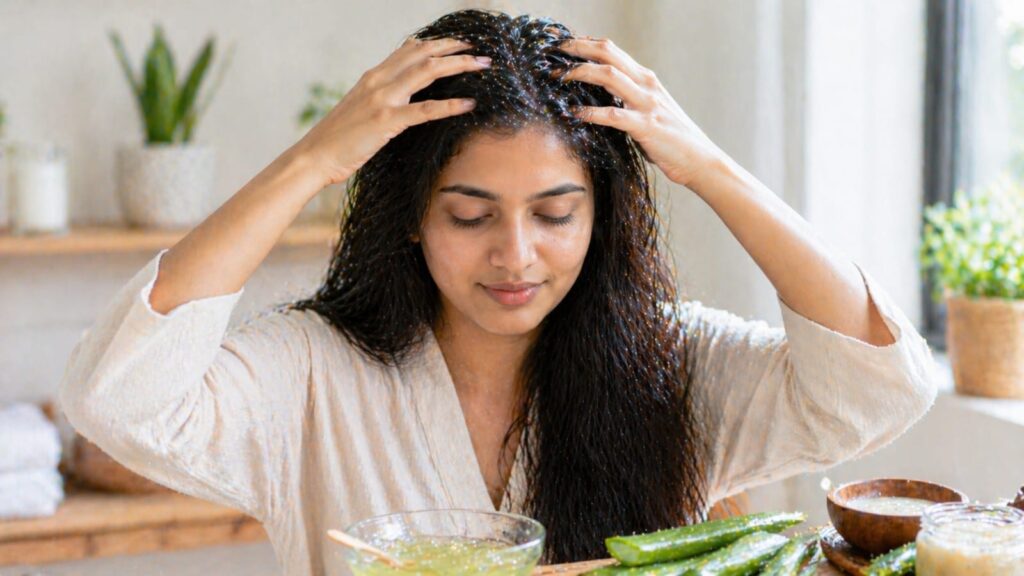
Consistency is important when using natural remedies.
For best results:
•Apply aloe vera 2–3 times per week
•Continue treatment for 3–4 weeks
•Maintain regular scalp care
Most people start noticing improvements within a few weeks of consistent use.
Aloe Vera vs Chemical Anti-Dandruff Treatments
Many commercial anti-dandruff shampoos contain ingredients such as zinc pyrithione, coal tar, or sulfates. While these ingredients may reduce dandruff temporarily, they can sometimes dry out the scalp or irritate sensitive skin. Aloe vera offers several advantages.
Natural and Gentle
It is free from harsh chemicals and suitable for sensitive scalps.
Hydrates the Scalp
Unlike chemical treatments, aloe vera helps moisturize the scalp.
Supports Long-Term Scalp Health
Natural remedies often work gradually but help maintain healthier scalp conditions.
However, severe dandruff may require medical treatment, so consult a dermatologist if symptoms persist.
Additional Tips to Prevent Dandruff Naturally
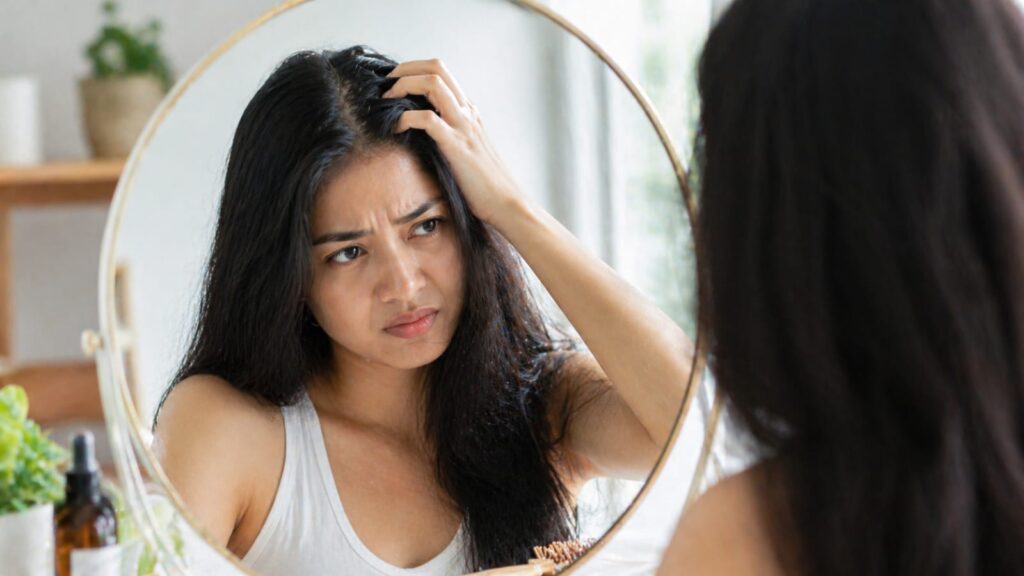
In addition to using aloe vera, following good hair care habits can help prevent dandruff.
Maintain Proper Hair Hygiene
Wash your hair regularly with a mild shampoo to remove oil and dirt buildup.
Eat a Balanced Diet
Include foods rich in vitamins, zinc, and omega-3 fatty acids for healthy skin and scalp.
Stay Hydrated
Drinking enough water helps maintain skin hydration.
Manage Stress
Stress can worsen dandruff, so relaxation techniques may help improve scalp health.
Avoid Excess Hair Products
Too many styling products can lead to scalp buildup.
Possible Side Effects and Precautions
Aloe vera is generally safe for most people, but some precautions should be taken.
•Always perform a patch test before applying aloe vera to your scalp.
•Avoid using aloe vera if you experience irritation or allergic reactions.
•Use fresh, clean aloe vera gel whenever possible.
If you have severe scalp conditions or persistent dandruff, consult a healthcare professional.
Who Should Use Aloe Vera for Dandruff?
Aloe vera is suitable for many people, especially those who:
•Have mild to moderate dandruff
•Experience itchy or irritated scalp
•Prefer natural hair care remedies
•Want a gentle scalp treatment without harsh chemicals
Because aloe vera is lightweight and non-greasy, it works well for most hair types.
FAQs
Q1. Is aloe vera good for removing dandruff naturally?
Yes, aloe vera is considered one of the best natural remedies for dandruff. It has antifungal, antibacterial, and soothing properties that help reduce scalp irritation, control dandruff-causing fungi, and moisturize the scalp. Regular use may help reduce flakes and itching naturally.
Q2. How long does aloe vera take to remove dandruff?
The results may vary from person to person, but many people start noticing improvement within 2 to 3 weeks of regular use. Applying fresh aloe vera gel to the scalp 2–3 times a week can gradually reduce dandruff flakes and improve scalp health.
Q3. Can I leave aloe vera on my scalp overnight for dandruff?
Yes, aloe vera is gentle enough to leave on the scalp overnight. However, if you have sensitive skin, it is better to leave it for 30–60 minutes before washing your hair. Doing a patch test beforehand is always recommended.
Q4. How often should I apply aloe vera to treat dandruff?
For best results, apply aloe vera gel to your scalp two or three times per week. Consistent use helps soothe the scalp, reduce dryness, and control dandruff over time.
Q5. Can aloe vera help with itchy scalp and dry flakes?
Yes, aloe vera is very effective for itchy scalp and dry flakes. Its natural cooling and moisturizing properties help calm irritation, hydrate the scalp, and reduce the dryness that often leads to dandruff.
Read this also :-
- Top 10 Biotin Supplements for Hair Loss: Benefits, Dosage, Results & Side Effects
- Top 10 Benefits of Onion Juice for Hair Growth: Benefits, Uses & Results
- Facebook page :- Dailylife99
Final Thoughts
Dandruff can be uncomfortable, but natural remedies like aloe vera offer a simple and effective way to manage the problem. With its soothing, moisturizing, and antifungal properties, aloe vera helps reduce flakes, calm itching, and improve overall scalp health.
Using aloe vera regularly as part of your hair care routine can make a noticeable difference. Whether applied alone or combined with natural ingredients like coconut oil or yogurt, this powerful plant can help restore balance to your scalp.
With patience and consistent use, aloe vera can support a healthier, cleaner, and flake-free scalp naturally.
Disclaimer:
The information provided here is for general knowledge purposes only. For any kind of health-related issue, please consult your specialist or doctor first. DailyLife99.com does not claim responsibility for any harm or consequences arising from the use of this information.