Diet for Better Health :- A nutritious diet forms the base of a joyful and energetic life. It not only improves physical health but also boosts mental clarity, long-term stamina, and overall well-being. Today, with busy schedules and unhealthy eating habits, many people rely on fast food and packaged meals. These choices often lead to fatigue, weight gain, and lifestyle diseases.
This guide explains practical, easy, and effective healthy diet tips that you can adopt daily for better health.
1. Start Your Day with a Nutritious Breakfast
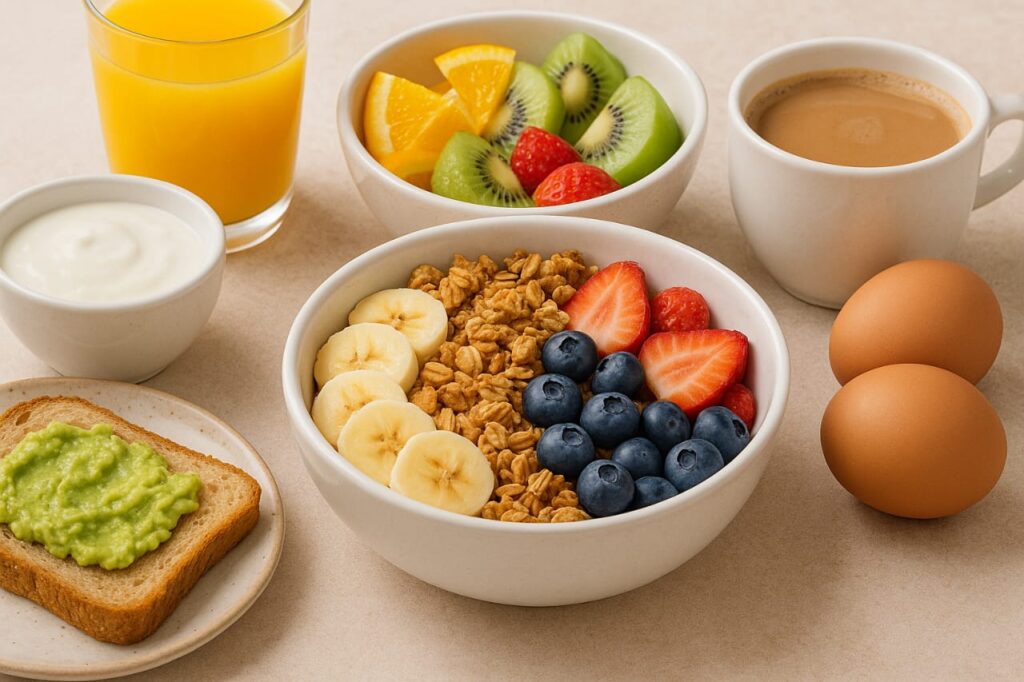
Breakfast sets the tone for your entire day. Skipping it may slow your metabolism and increase unhealthy cravings later. A good breakfast should contain protein, fiber, and healthy fats. Smart options include:
Oats or muesli
Eggs
Peanut butter sandwiches
Vegetable poha or upma
Porridge
Yogurt with fruits
These foods keep you full for hours and support long-lasting energy.
2. Add Colorful Foods to Your Plate
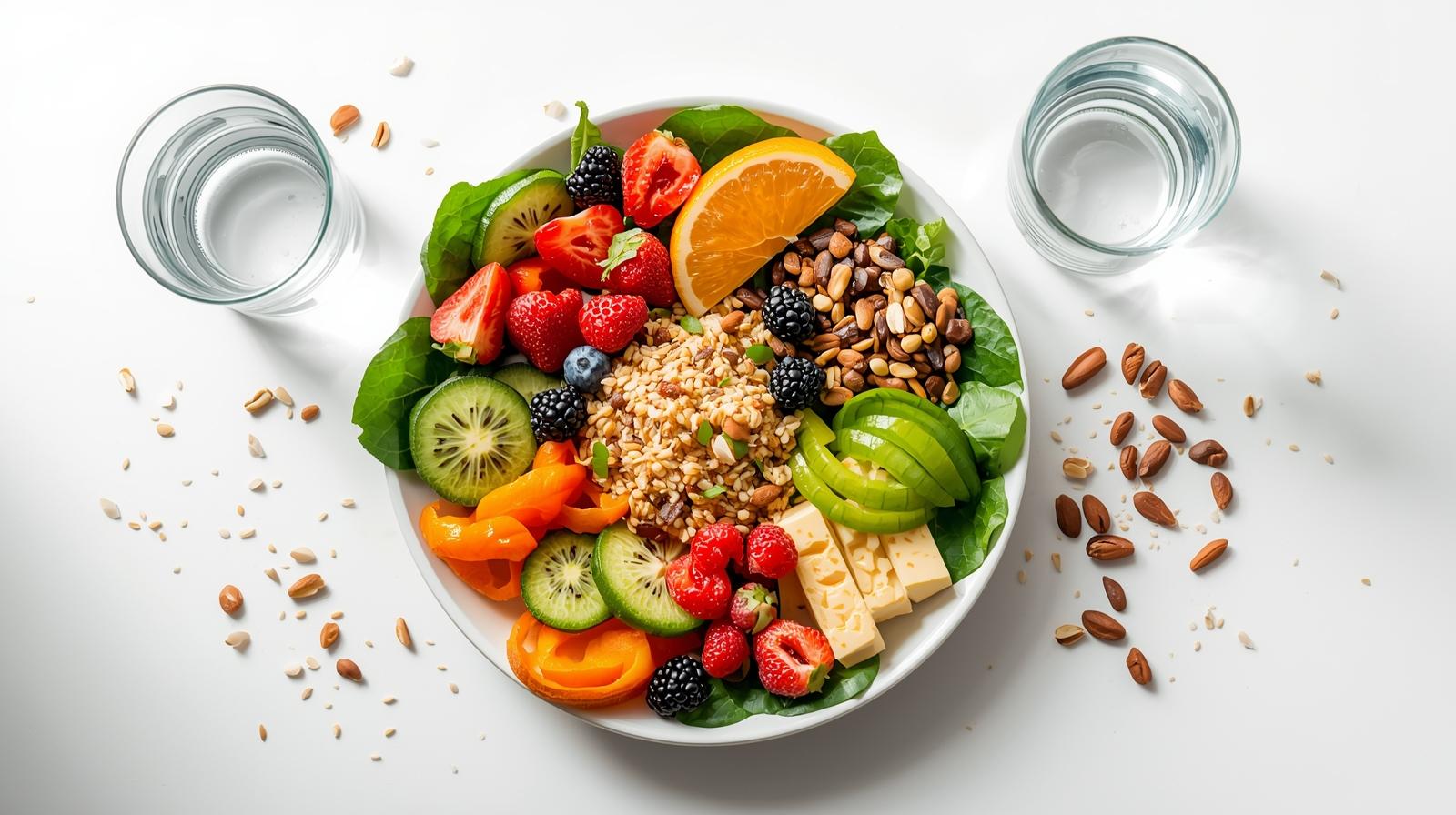
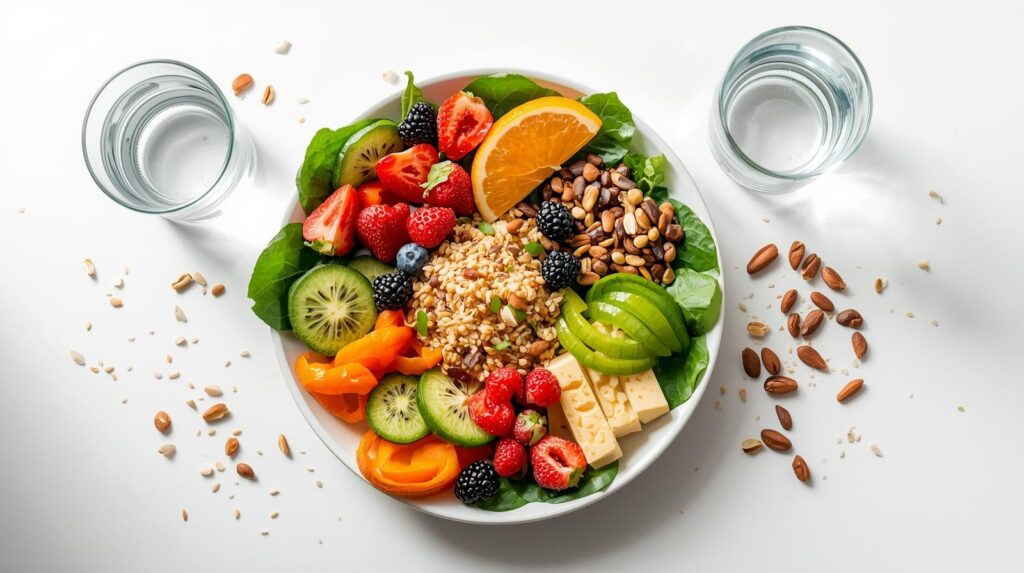
A colorful plate means a nutrient-rich plate. Fresh fruits and vegetables are rich in essential vitamins, minerals, and powerful antioxidants. Try to include at least 5 vegetables and 2 fruits daily like:
Leafy greens
Carrots, tomatoes, beets
Berries, oranges, apples
The more color you add, the more nutrients your body receives.
3. Limit Junk and Processed Foods
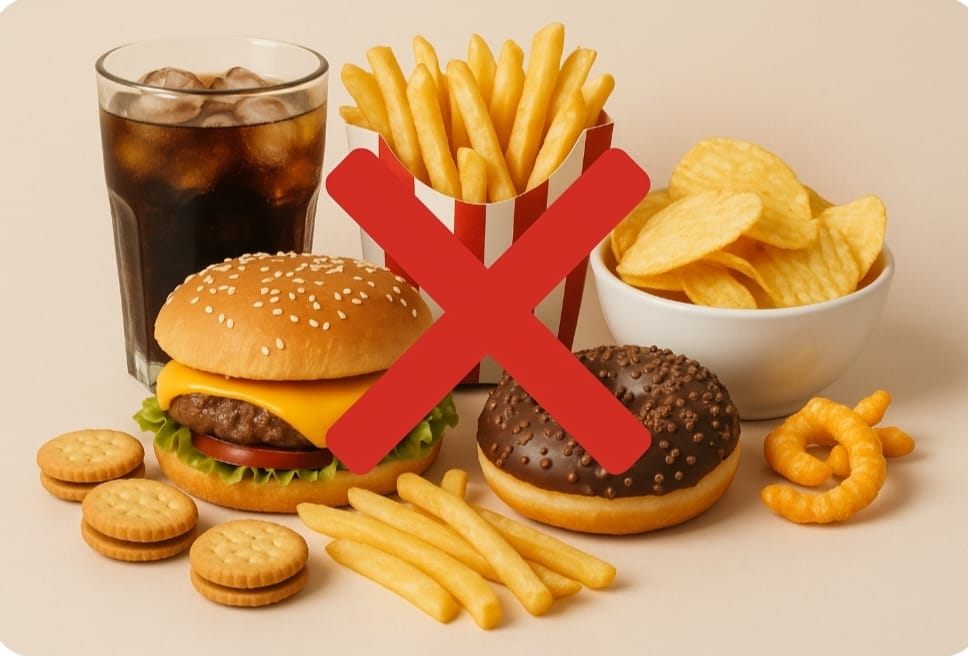
Packaged snacks, sugary drinks, fried foods, and fast food may taste good, but they harm your health. They contain:
Excess salt
Trans fats
Preservatives
Refined sugar
Eating them regularly can cause obesity, diabetes, and high blood pressure. Whenever possible, choose grilled, steamed, or baked food over fried items.
4. Increase Fiber Intake
Fiber improves digestion, prevents constipation, and helps in weight management. High-fiber foods include:
Whole grains
Lentils and beans
Fresh vegetables
Fruits
Chia seeds and flax seeds
Add at least one fiber-rich food to every meal.
5. Drink Enough Water Throughout the Day
Water keeps your body active and supports every internal function. Low water intake can cause tiredness, headaches, and poor digestion. Aim for 8–10 glasses of water daily.
Healthy drink alternatives:
Lemon water
Coconut water
Buttermilk
Herbal tea
Avoid sugary and carbonated beverages.
6. Include Sufficient Protein in Your Diet
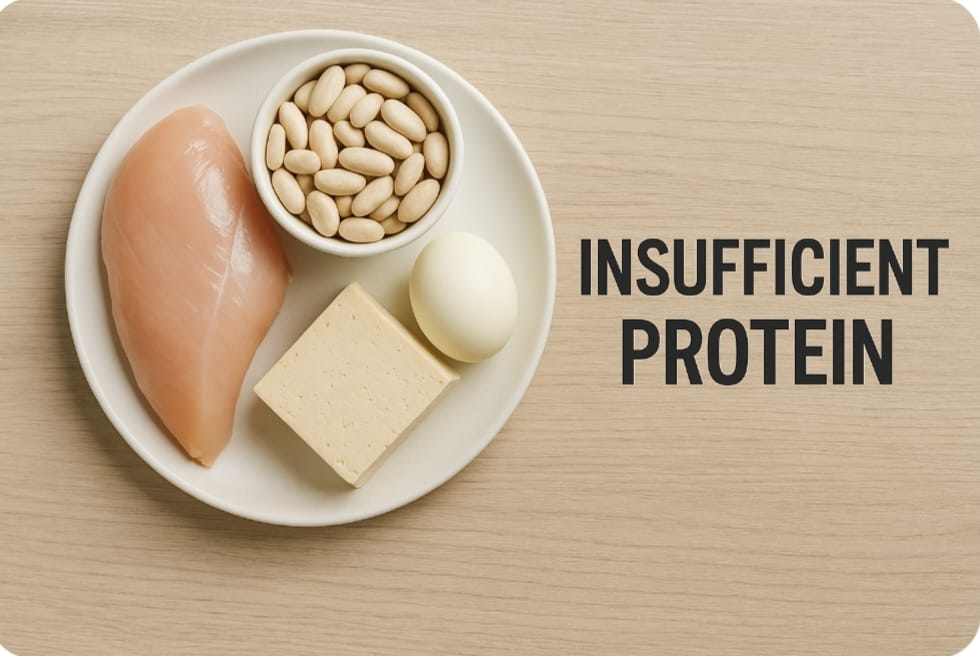
Protein builds muscles, strengthens bones, supports immunity, and keeps hunger under control. Good protein sources are:
Milk, yogurt, paneer
Eggs
Chickpeas, lentils, beans
Chicken and fish
Peanuts and soy products
Include a protein element in each meal to support your nutrition.
7. Eat Your Meals on Time
Irregular eating habits disturb digestion and metabolism. Maintain a proper eating schedule:
Breakfast: between 8–10 AM
Lunch: between 1–2 PM
Dinner: before 8 PM
Also, chew your food slowly. It improves digestion and prevents overeating diet for better health
8. Reduce Salt and Sugar Intake
Too much salt can lead to high blood pressure, and excess sugar can cause weight gain and diabetes. Follow these tips:
Avoid sugary drinks
Replace white sugar with jaggery or honey
Limit packaged snacks
Read food labels to check hidden sugar/salt
A low-salt, low-sugar diet boosts long-term health.
9. Choose Healthy Fats Over Unhealthy Fats
Not all fats are harmful. Your body needs healthy fats for brain function, skin health, and energy. Good fat sources include:
Almonds and walnuts
Olive oil
Avocado
Flax seeds
Peanuts
Ghee (in moderation)
Healthy fats also help in absorbing vitamins A, D, E, and K.
10. Prefer Home-Cooked Meals
Homemade meals are fresh, clean, and balanced. You can control oil, spices, and salt levels. Try to eat home-cooked food at least twice a day and limit restaurant food to once or twice a week.
11. Practice Mindful Eating
Mindful eating means being fully present while eating.
Avoid mobile/TV while eating
Eat only when hungry
Stop when you feel 80% full
Enjoy the taste and texture of food
This habit helps in better digestion and prevents overeating.
12. Make Gradual Changes to Your Diet
Make sure you don’t try to transform your entire eating pattern suddenly. Start small:
Add one fruit daily
Stop drinking sugary beverages
Reduce fried foods
Eat lighter dinner
Small, consistent steps lead to long-term healthy habits.

Conclusion of Diet for Better Health
Healthy eating is not about strict dieting; it is about making mindful, balanced, and nutritious choices. When you include fresh vegetables, fruits, protein, fiber, water, and home-cooked meals in your routine, your body naturally becomes healthier, stronger, and more energetic.
Start making simple changes today—your future self will thank you for choosing a healthier lifestyle.
Read this :-
- How to be Lose Weight Without Exercise
- Facebook page :- Dailylife99
FAQs with Answers
Q1. What are the best healthy diet tips for beginners?
A.Beginners should start by eating more fruits, vegetables, whole grains, and protein-rich foods. Drinking enough water, avoiding junk food, and eating meals on time are also simple but powerful changes.
Q#2. How can I make sure my diet remains balanced on a daily basis?
A.Include all major nutrients—proteins, carbs, fats, vitamins, and minerals—in your meals. A balanced plate usually contains vegetables, whole grains, and a healthy protein source.
Q#3. Which foods should I avoid for better health?
A.You should limit fried foods, sugary drinks, packaged snacks, processed meats, and foods high in salt and refined sugar.
Q#4. How much water should I drink daily?
A.Most people need 8–10 glasses of water daily, depending on their activity level and climate.
Q#5. What advantages do home-cooked meals offer?
A.Home-cooked meals are fresher, contain fewer preservatives, and allow control over oil, salt, and spices—making them healthier than outside food.
Q#6. Is it necessary to take supplements for a healthy diet?
A.No. If your diet includes whole foods, fruits, vegetables, and proteins, you may not need supplements. Only take supplements if recommended by a doctor.
Q#7. How can I reduce sugar intake easily?
A.Replace sugary drinks with lemon water, herbal tea, or plain water. Choose fruits instead of desserts and read food labels to avoid hidden sugars.
Disclaimer :-
© DailyLife99 — The information provided here is for general purposes only. For any kind of health-related issue, please consult your specialist or doctor first. DailyLife99.com does not claim responsibility for any harm or consequences arising from the use of this information.