How to prevent influenza (flu) :- Influenza, commonly known as the flu, is a contagious respiratory illness that affects millions of people every year. While many consider flu to be a mild seasonal sickness, it can sometimes lead to serious health complications, especially in children, elderly individuals, pregnant women, and people with weak immunity.
In this detailed blog will help you understand what influenza is, its symptoms, causes, how it spreads, treatment options, prevention tips, and when you should seek medical help. in simple language.
What Is Influenza (Flu)?
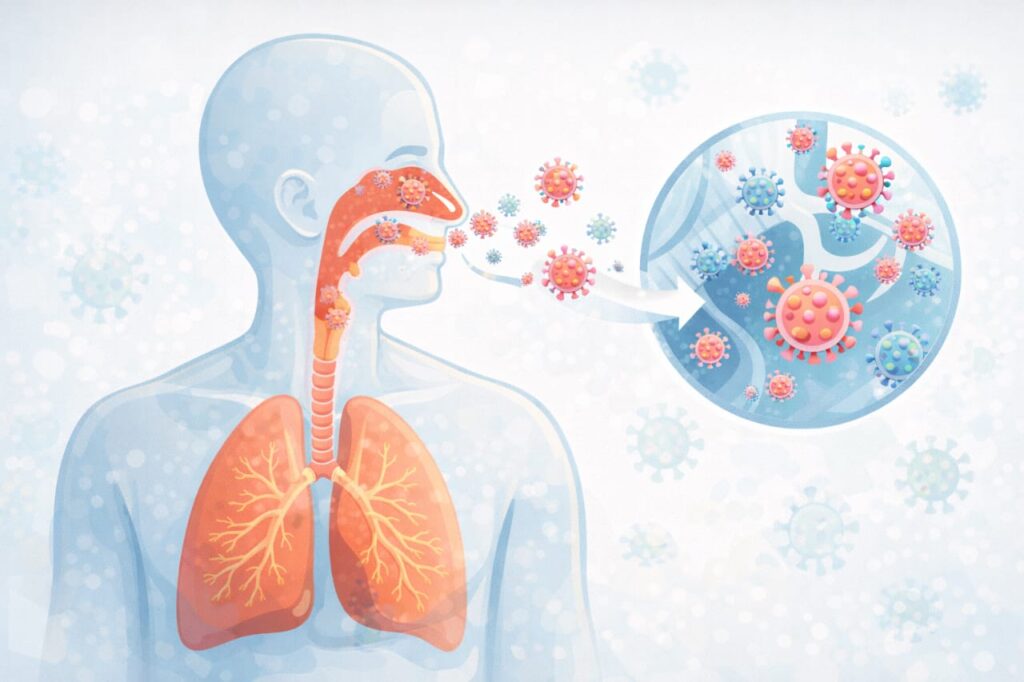
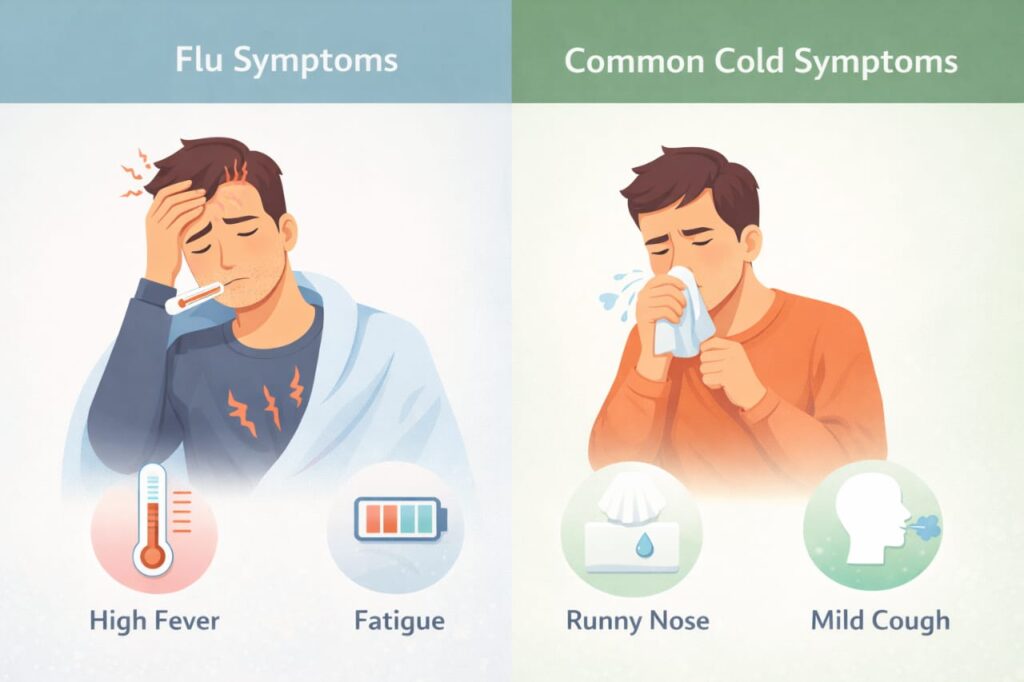
Influenza is a viral infection that primarily affects the nose, throat, and lungs. It is different from the common cold because flu symptoms usually appear suddenly and are more intense. Influenza tends to spread more during certain times of the year, often referred to as flu season, which usually occurs during colder months.
Unlike mild respiratory infections, influenza can cause high fever, extreme tiredness, body pain, and respiratory discomfort. In severe cases, it can lead to pneumonia or worsen existing medical conditions such as asthma, diabetes, or heart disease.
Types of Influenza Viruses
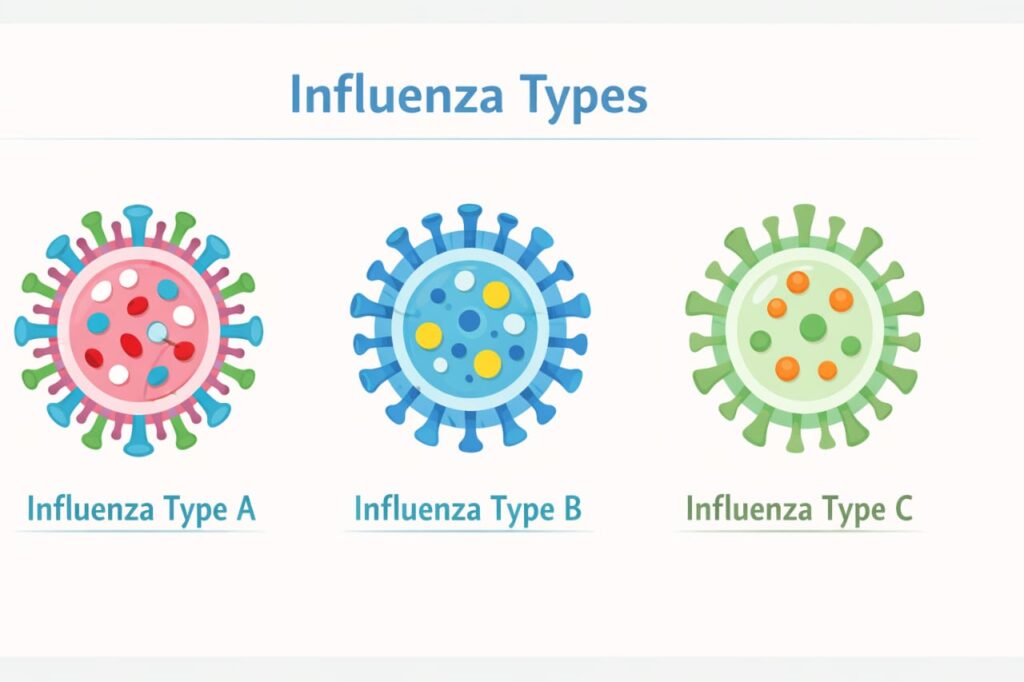
There are several types of influenza viruses, but not all cause widespread illness.
Influenza Type A
• Most common and most severe
• Responsible for seasonal flu outbreaks
• Can infect both humans and animals
Influenza Type B
• Usually causes milder symptoms than Type A
• Mainly affects humans
• Common in children
Influenza Type C
• Causes very mild illness
• Rarely leads to outbreaks
• Often goes unnoticed
Understanding these types helps doctors predict flu patterns and prepare vaccines accordingly.
Common Symptoms of Influenza (Flu)
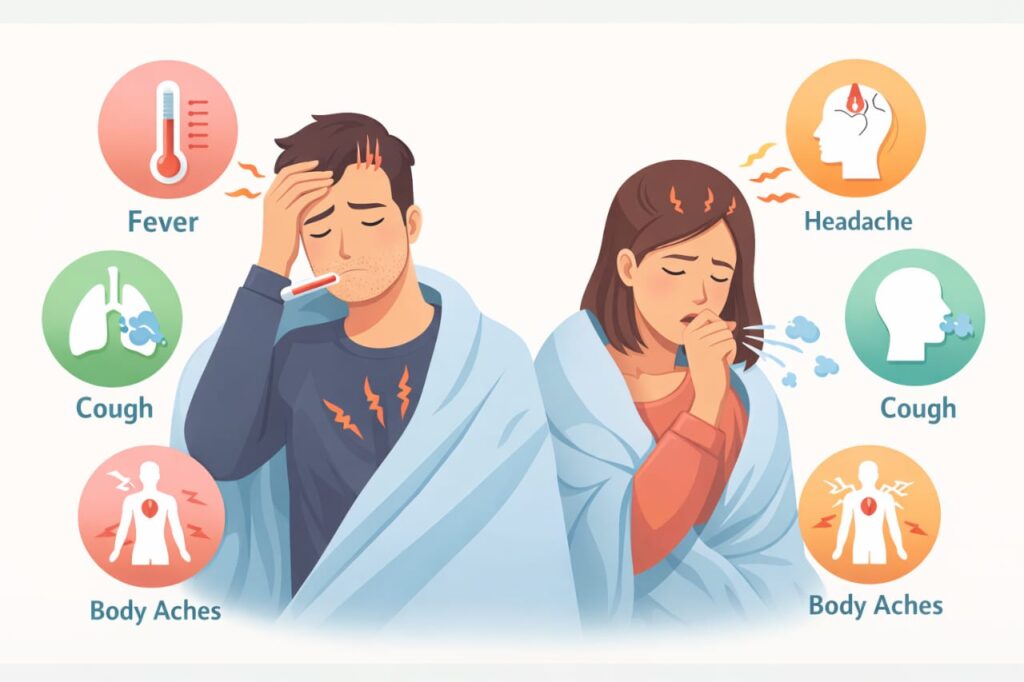
Flu symptoms often begin suddenly and may feel overwhelming during the first few days.
Early Flu Symptoms
• Sudden high fever
• Chills and shivering
• Headache
• Severe fatigue or weakness
• Body and muscle aches
Respiratory Symptoms
• Dry or persistent cough
• Sore throat
• Runny or blocked nose
• Chest discomfort
Digestive Symptoms (More Common in Children)
• Nausea
• Vomiting
• Diarrhea
• Loss of appetite
Symptoms can vary from person to person. Some may experience mild flu, while others may feel extremely unwell.
Severe Flu Symptoms – When It Becomes Dangerous
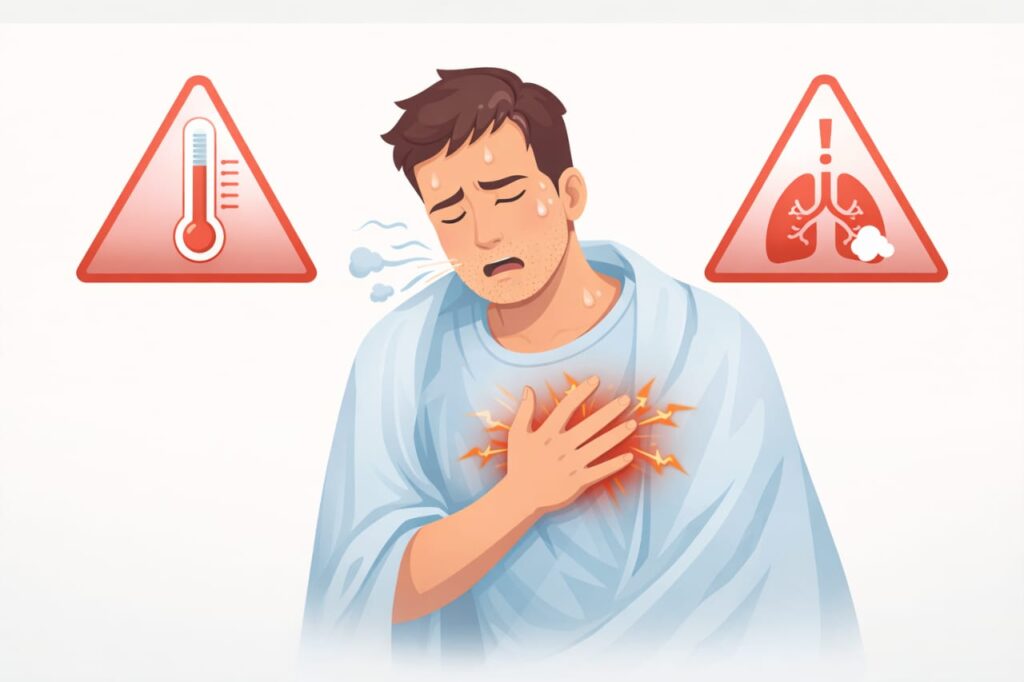
Although many people recover at home, flu can become serious in certain situations.
Warning signs include:
• Fever lasting more than 3–4 days
• Difficulty breathing or shortness of breath
• Chest pain or pressure
• Bluish lips or face
• Confusion or dizziness
• Severe weakness or inability to wake up
• Dehydration (less urination, dry mouth)
If these symptoms appear, medical attention is necessary.
Causes of Influenza

Influenza is caused by influenza viruses that infect the respiratory tract. These viruses enter the body through the nose, mouth, or eyes.
Common Causes and Triggers
• Seasonal weather changes
• Weak immune system
• Poor hygiene habits
• Close contact with infected individuals
• Crowded and poorly ventilated places
People with poor nutrition, lack of sleep, or high stress levels are more vulnerable to flu infections.
How Influenza Spreads
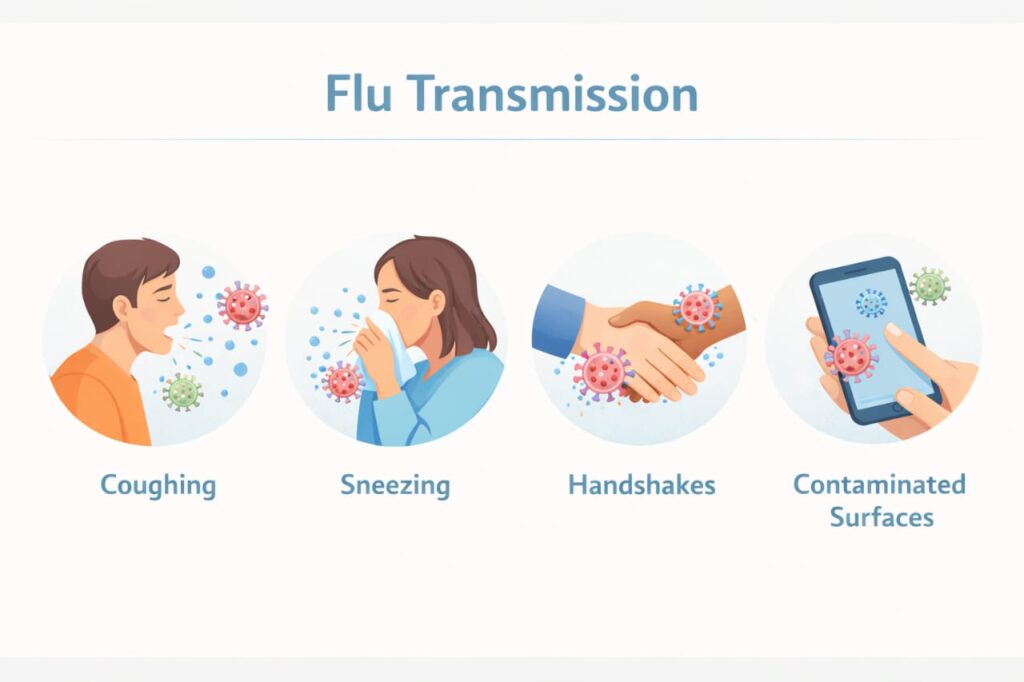
Influenza spreads very easily from person to person.
Main Modes of Transmission
• Coughing and sneezing: Virus-containing droplets enter the air
• Close contact: Handshakes, hugging, or talking closely
• Contaminated surfaces: Touching doorknobs, phones, or utensils and then touching the face
• Crowded places: Public transport, schools, offices, and markets
An infected person can spread flu even before symptoms appear, making prevention challenging.
Who Is at Higher Risk of Influenza?
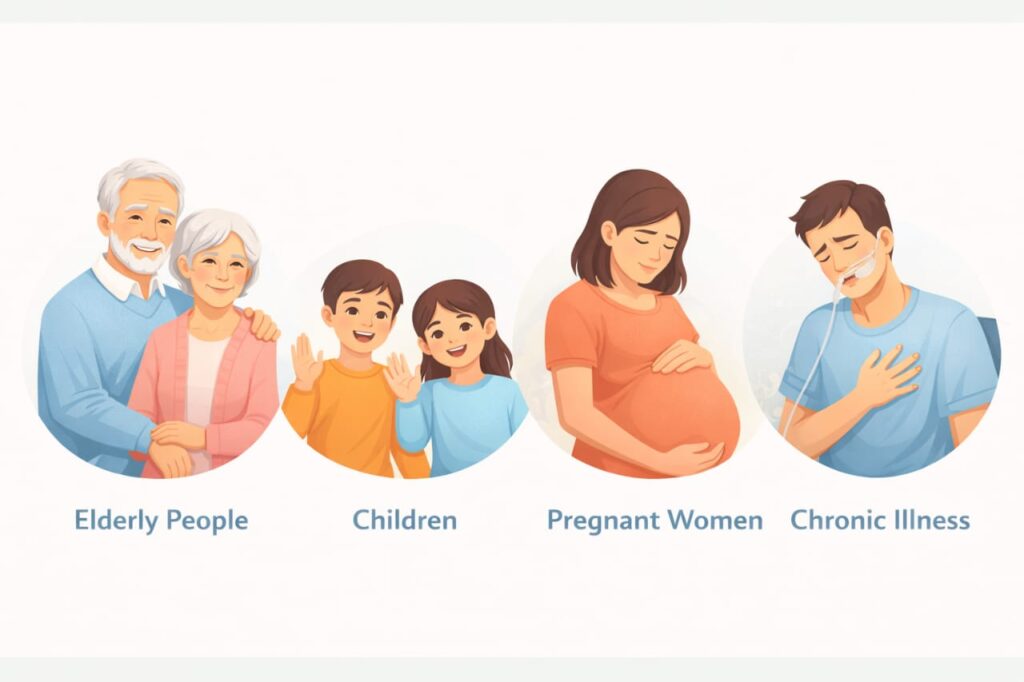
Certain groups are more likely to develop complications from flu:
• Children under 5 years
• Adults over 60 years
• Pregnant women
• People with asthma, diabetes, heart disease, or kidney disease
• Individuals with weak immunity
• Smokers
For these groups, flu prevention and early treatment are especially important.
Diagnosis of Influenza
Doctors often diagnose flu based on symptoms and physical examination.
Diagnostic Methods
• Review of symptoms and medical history
• Physical check-up
• Rapid flu tests (in some cases)
• Laboratory tests for severe or high-risk cases
Testing is usually recommended if symptoms are severe or if the patient belongs to a high-risk group.
Treatment Options for Influenza

There is no instant cure for flu, but proper care helps reduce severity and recovery time.
Home Treatment for Flu
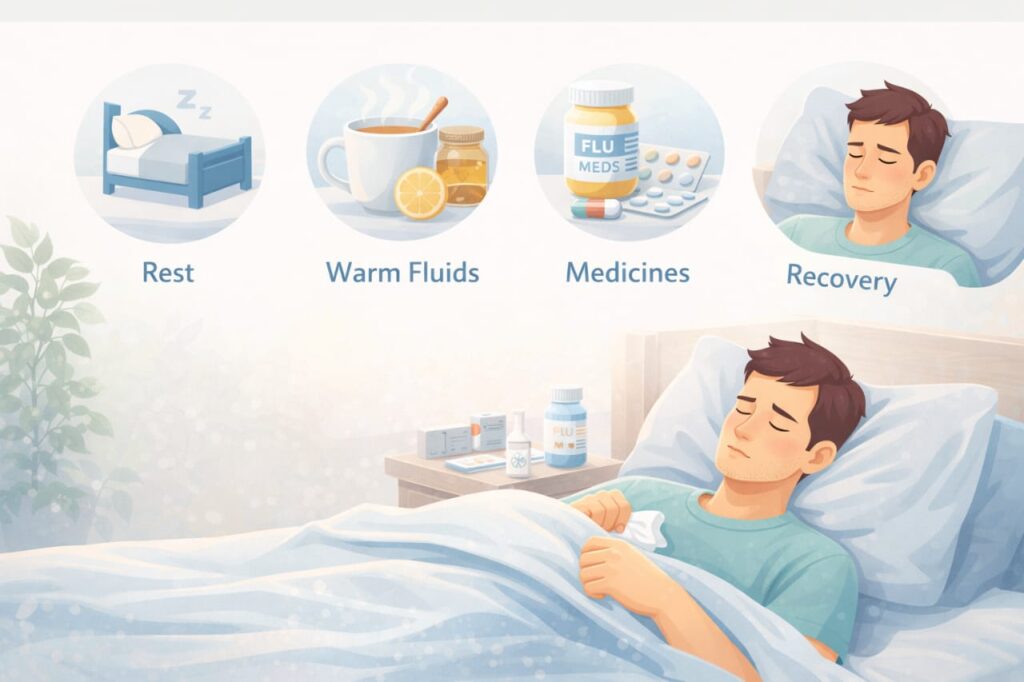
• Complete bed rest
• Drinking plenty of fluids
• Warm soups and herbal drinks
• Light and nutritious meals
• Fever control using doctor-recommended medicines
Medical Treatment
• Antiviral medicines (if prescribed early)
• Treatment for complications like pneumonia
• Hospital care in severe cases
Self-medication should be avoided, especially in children and elderly patients.
How Long Does Flu Last?
• Mild flu: 5–7 days
• Moderate flu: 7–14 days
• Severe flu: Recovery may take several weeks
Fatigue and weakness can last even after other symptoms improve.
Prevention of Influenza
Importance of Flu Vaccination
• Provides protection against common flu strains
• Reduces severity if infection occurs
• Recommended every year
• Especially important for high-risk individuals
Daily Prevention Tips
• Wash hands frequently with soap
• Avoid touching face unnecessarily
• Wear masks during outbreaks
• Maintain physical distance in crowded areas
• Cover mouth while coughing or sneezing
Diet and Lifestyle Tips During Flu

Best Foods to Eat
• Warm soups and broths
• Fruits rich in vitamin C
• Soft foods like khichdi or porridge
• Herbal teas and warm water
Lifestyle Tips
• Adequate sleep
• Avoid smoking and alcohol
• Stay hydrated
• Reduce physical exertion
Good nutrition helps the immune system fight infection faster.
Possible Complications of Influenza
If left untreated, flu may lead to:
• Pneumonia
• Sinus and ear infections
• Worsening of asthma or heart disease
• Dehydration
• Respiratory failure in severe cases
Early care significantly lowers the risk of complications.
When to See a Doctor
You should consult a doctor if:
• Symptoms worsen instead of improving
• Fever persists beyond 3 days
• Breathing becomes difficult
• The patient belongs to a high-risk group
• There are signs of dehydration or confusion
Timely medical advice can prevent serious outcomes.
Conclusion: How to prevent influenza(Flu)
Influenza is more than just a seasonal cold. It is a contagious viral illness that can affect daily life and, in some cases, become life-threatening. Understanding flu symptoms, causes, treatment options, and prevention methods helps protect not only yourself but also your family and community.
By maintaining good hygiene, following a healthy lifestyle, getting vaccinated, and seeking timely medical care, you can significantly reduce the impact of influenza. Awareness and early action are the keys to staying safe during flu season.
Read this also :-
- Top 10 Benefits of Black Coffee: Why Drinking It Daily Can Improve Your Health
- Facebook page :- Dailylife99
FAQs:
Q1. Is influenza contagious?
Yes, flu is highly contagious and spreads easily through droplets and contact.
Q2. Can flu occur without fever?
Yes, some people may experience flu without fever, especially older adults.
Q3. How many times can a person get flu in a year?
More than once, because different strains circulate each season.
Q4. Is flu dangerous for children?
Yes, especially for infants and children with weak immunity.
Q5. Can flu be treated at home?
Mild cases can be managed at home, but medical advice is important for high-risk individuals.
Dicslaimer:
The information provided on DailyLife99.com is for educational and informational purposes only and does not constitute medical advice. We are not medical professionals. The content shared on this website, including health and Ayurvedic information, is not intended to diagnose, treat, cure, or prevent any disease.
Always consult a qualified physician or licensed healthcare provider before making any health-related decisions. DailyLife99.com is not responsible for any outcomes or consequences resulting from the use of this information.