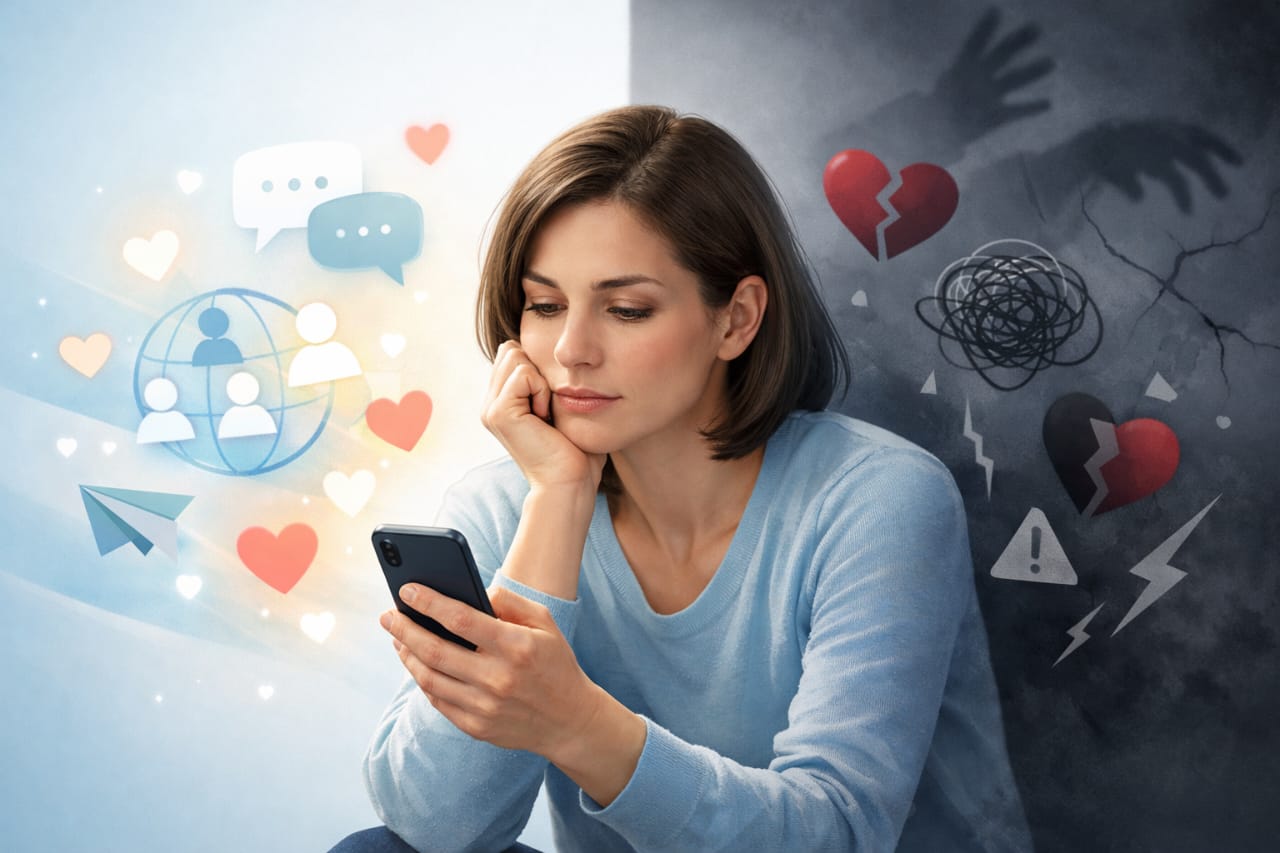
How Social Media Affects Mental Health :- Social media has become an inseparable part of modern life. From waking up to scrolling through notifications to ending the day checking messages, platforms like Instagram, Facebook, X (Twitter), and YouTube shape how we communicate, learn, and express ourselves. While social media connects billions of people worldwide, it also raises serious questions about mental health and emotional well-being.
For some, social media is a source of inspiration, community, and creativity. For others, it can trigger anxiety, loneliness, low self-esteem, and emotional exhaustion. The impact is not the same for everyone, but its influence on mental health is undeniable.
This article explores how social media affects mental health, covering both its positive and negative effects, the science behind its psychological impact, warning signs to watch for, and practical strategies to use social media in a healthier, more mindful way.
Understanding Social Media and Mental Health
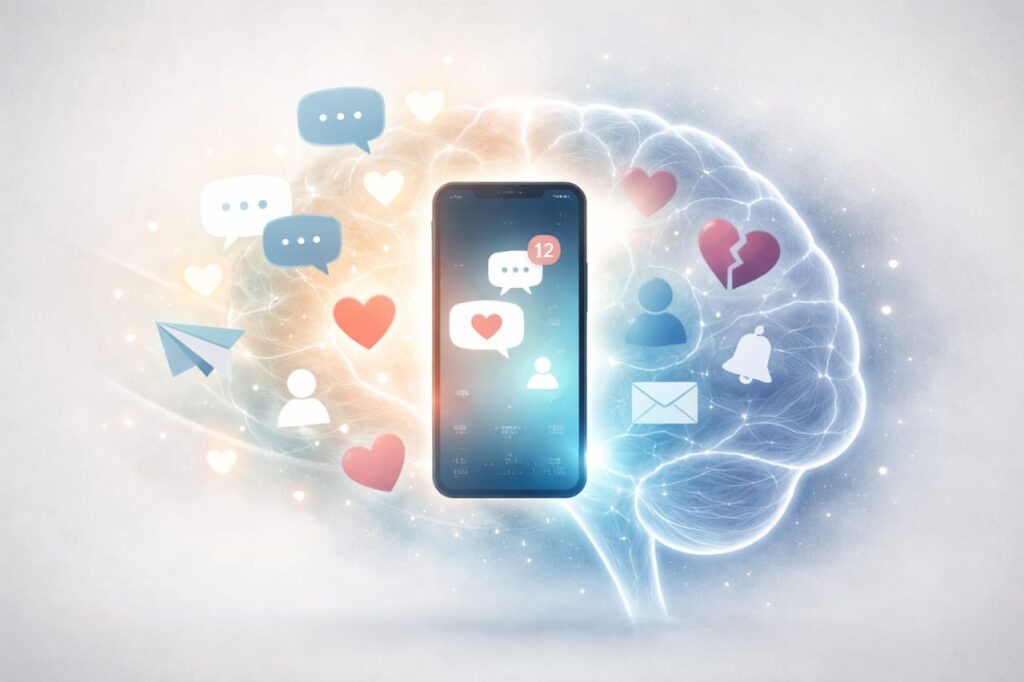
Social media refers to digital platforms that allow users to create content, share information, and interact with others online. These platforms are designed to encourage engagement through likes, comments, shares, and notifications.
Mental health, on the other hand, includes emotional stability, psychological resilience, self-esteem, and the ability to cope with daily stress. When social media becomes a dominant influence in daily life, it can directly and indirectly affect thoughts, emotions, and behavior.
Social media does not automatically harm mental health. The impact largely depends on how often, how long, and how consciously it is used.
Positive Effects of Social Media on Mental Health
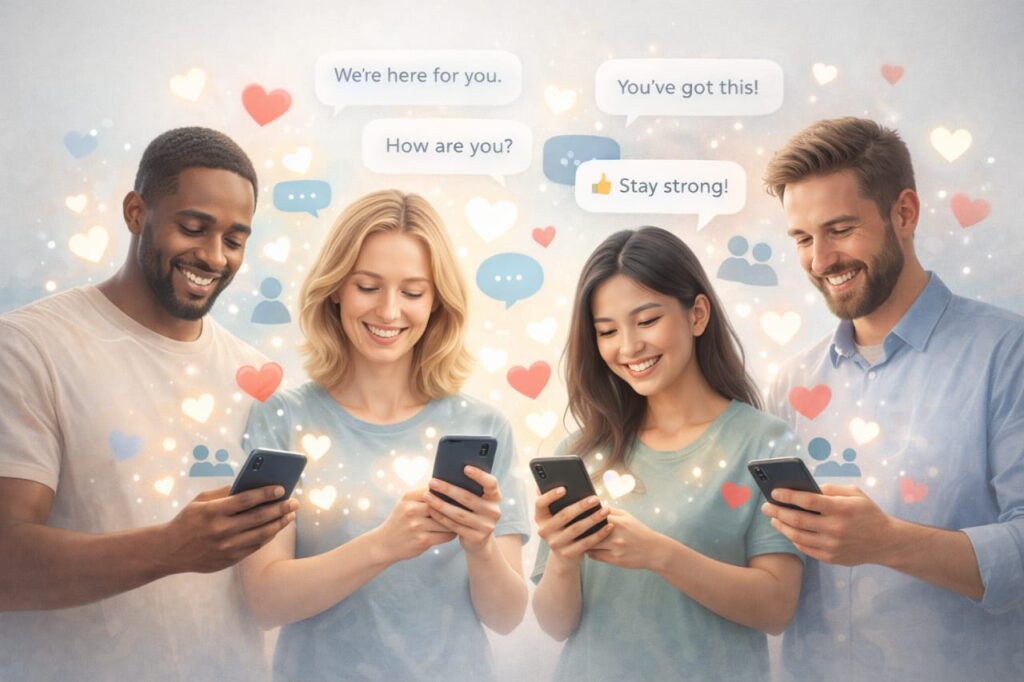
Despite common criticism, social media offers several mental health benefits when used intentionally and in moderation.
1. Connection and Belonging
Social media helps people stay connected across distances. For individuals living away from family, working remotely, or feeling socially isolated, online interaction can provide emotional comfort and a sense of belonging.
2. Emotional Support and Communities
Many people find safe spaces in online communities where they can share experiences related to anxiety, depression, grief, or chronic illness. Knowing that others face similar struggles can reduce feelings of isolation.
3. Mental Health Awareness and Education
Social media has played a key role in breaking stigma around mental health. Therapists, psychologists, and advocates use platforms to share coping strategies, self-care tips, and educational content that may otherwise be inaccessible.
4. Creative Expression and Identity Building
Platforms allow users to express themselves through writing, art, photography, and video. Creative expression can be therapeutic and help individuals explore identity, emotions, and personal growth.
5. Motivation and Inspiration
Positive content such as fitness journeys, recovery stories, educational reels, and motivational posts can encourage healthier habits and personal development.
Negative Effects of Social Media on Mental Health
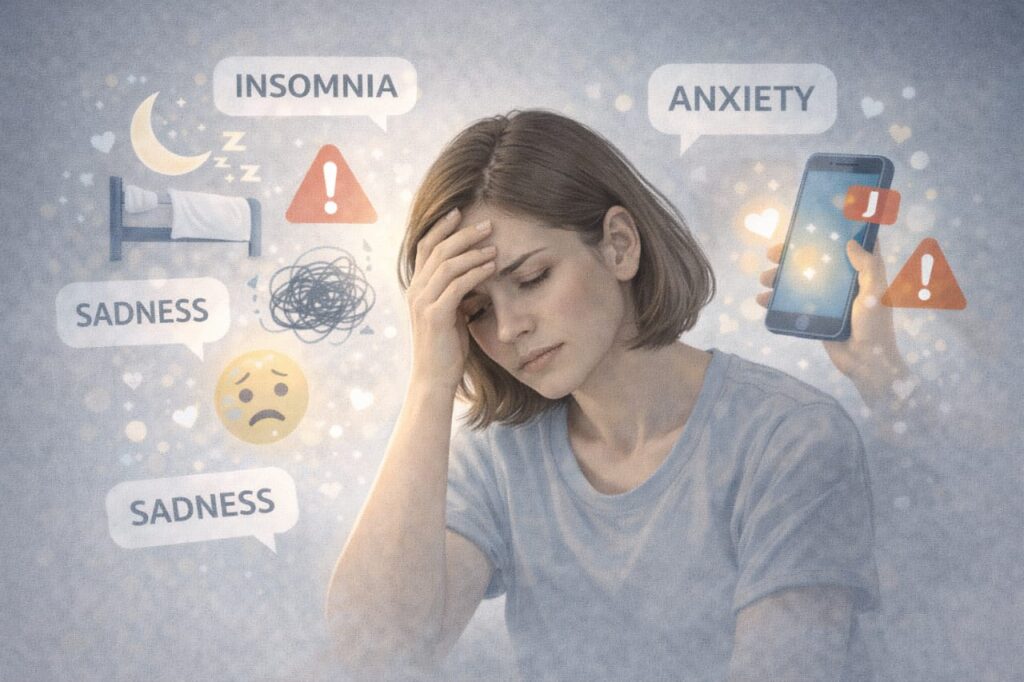
While social media has benefits, excessive or unhealthy use can significantly impact mental well-being.
1. Comparison Culture and Low Self-Esteem
One of the most common mental health effects of social media is constant comparison. People often compare their real lives to carefully curated online highlights, leading to feelings of inadequacy and self-doubt.
Seeing unrealistic beauty standards, luxury lifestyles, or constant success stories can damage self-esteem, especially among young users.
2. Anxiety and Fear of Missing Out (FOMO)
FOMO occurs when people feel anxious or excluded after seeing others attend events, travel, or achieve milestones. This fear can lead to compulsive checking and emotional distress.
3. Depression and Emotional Fatigue
Spending long hours scrolling without meaningful interaction can lead to emotional numbness, sadness, and lack of motivation. Passive consumption often increases feelings of loneliness rather than connection.
4. Cyberbullying and Online Harassment
Negative comments, trolling, and online shaming can deeply affect mental health. Cyberbullying is associated with anxiety, depression, and even trauma, particularly among teenagers.
5. Sleep Disruption and Cognitive Overload
Late-night scrolling exposes the brain to blue light and constant stimulation, disrupting sleep patterns. Poor sleep quality directly affects mood, focus, and emotional regulation.
6. Addiction-Like Behavior
Social media platforms are designed to keep users engaged. Endless scrolling and notification alerts can create habit loops that resemble addictive behavior, making it difficult to disconnect.
Social Media and Different Age Groups
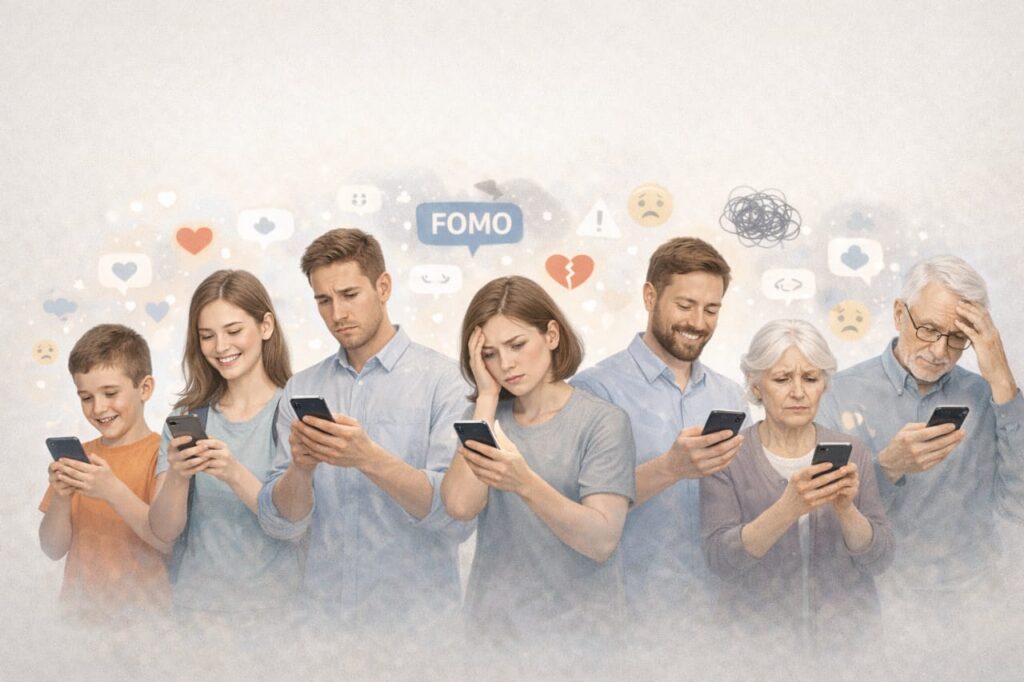
The psychological impact of social media varies across age groups.
Children and Early Adolescents
Young children may struggle to understand online boundaries. Exposure to inappropriate content, early comparison, and reduced outdoor play can affect emotional development.
Teenagers
Teenagers are particularly vulnerable due to identity formation and peer validation. Social media can influence body image, self-worth, and social anxiety.
Young Adults
Young adults may experience pressure related to career success, relationships, and lifestyle expectations portrayed online, leading to stress and burnout.
Older Adults
For older adults, social media can reduce loneliness and provide connection. However, misinformation and excessive screen time may still impact mental well-being.
The Science Behind Social Media’s Impact on the Brain
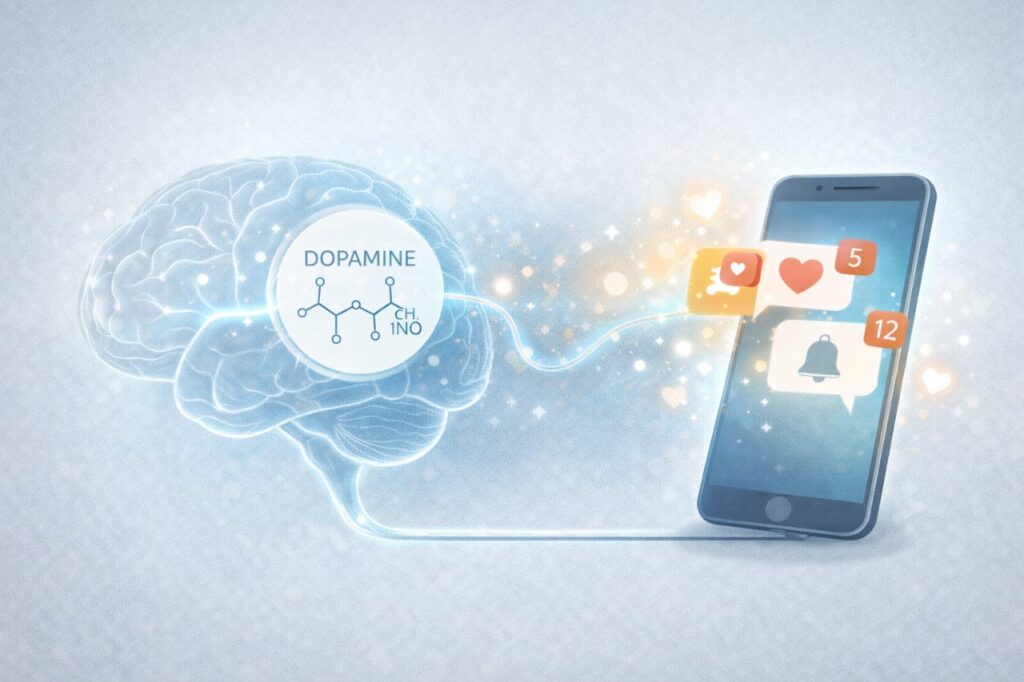
Social media activates the brain’s reward system. Likes, comments, and shares trigger dopamine release, creating short-term pleasure. Over time, the brain begins to crave this validation, encouraging repeated checking and prolonged usage.
Algorithms personalize content to keep users engaged, often prioritizing emotionally charged posts. This can intensify emotions such as anger, envy, or anxiety without users realizing it.
Signs Social Media Is Affecting Your Mental Health
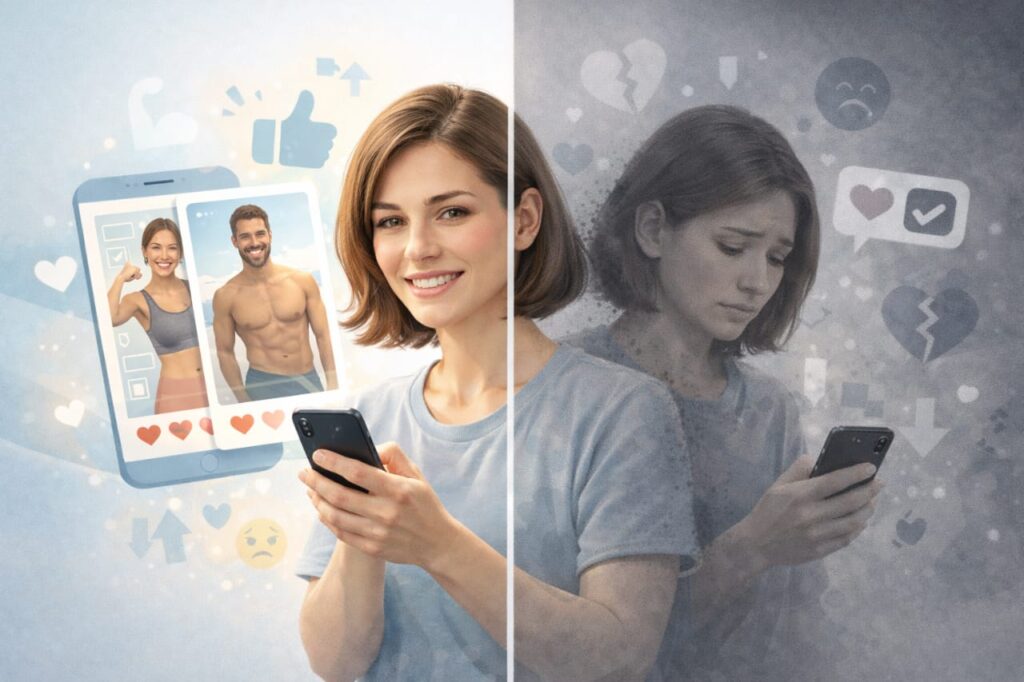
Recognizing early warning signs can prevent long-term harm.
Emotional Signs
• Persistent anxiety or irritability
• Feeling sad after scrolling
• Low self-confidence
Behavioral Signs
• Compulsive checking of apps
• Difficulty focusing offline
• Withdrawal from real-life interactions
Physical Signs
• Poor sleep quality
• Headaches or eye strain
• Mental fatigue
If social media consistently leaves you feeling worse rather than better, it may be time to reassess usage.
Healthy vs Unhealthy Social Media Use
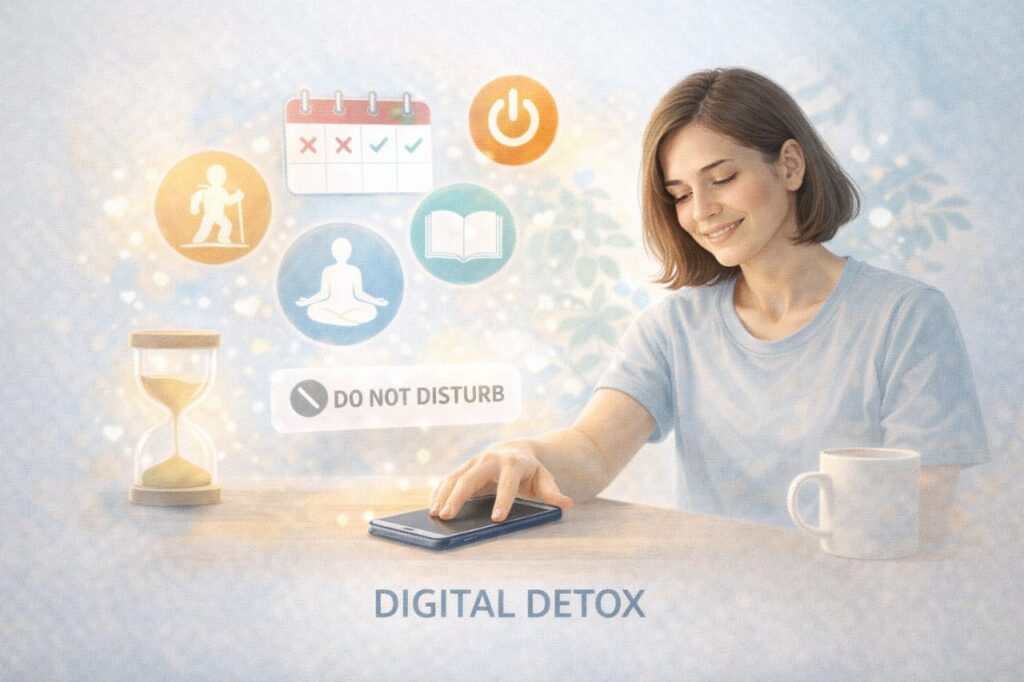
Healthy social media use involves intentional engagement, positive interactions, and time boundaries. Unhealthy use includes endless scrolling, comparison, and emotional dependency.
Mindful usage focuses on quality over quantity, choosing content that adds value rather than drains energy.
Tips to Protect Mental Health While Using Social Media
1. Set Screen-Time Limits
Use app timers to avoid excessive scrolling.
2. Curate Your Feed
Unfollow accounts that trigger negativity or unrealistic expectations.
3. Take Regular Digital Detox Breaks
Even short breaks can improve mood and focus.
4. Engage Actively, Not Passively
Comment, message, and connect meaningfully instead of endless scrolling.
5. Prioritize Offline Life
Balance online interaction with physical activity, hobbies, and face-to-face relationships.
Role of Parents, Schools, and Society

Parents and educators play a crucial role in teaching digital literacy. Open conversations about online experiences help children and teenagers navigate social media safely.
Society and platforms must also take responsibility by promoting ethical design, reducing harmful content, and supporting mental health initiatives.
When to Seek Professional Help
If social media use leads to persistent anxiety, depression, or emotional distress, seeking help from a mental health professional is essential. Therapy can help individuals rebuild a healthy relationship with technology.
Asking for help is not a weakness—it is a step toward well-being.
The Future of Social Media and Mental Well-Being
There is growing awareness around digital wellness. Features such as screen-time reminders, content filters, and mental health resources show progress, but personal responsibility remains key.
The future lies in conscious usage, ethical platform design, and open conversations about mental health.
Conclusion: How Social Media Affects Mental Health
Social media is neither entirely good nor entirely bad. Its impact on mental health depends on how it is used. When approached mindfully, it can inspire, connect, and educate. When used excessively or unconsciously, it can harm emotional well-being.
By setting boundaries, curating content, and prioritizing real-life connections, individuals can enjoy the benefits of social media without sacrificing mental health.
In a digital world that never stops scrolling, choosing balance is the healthiest decision we can make.
Read this also :-
- How to prevent influenza: Symptoms, Causes, Prevention & Treatment – A Complete Guide
- Facebook page :- Dailylife99
FAQs: How Social Media Affects Mental Health
Q1. How does social media affect mental health?
Social media affects mental health in both positive and negative ways. It can help people stay connected, find support, and access mental health information. However, excessive or unhealthy use may lead to anxiety, depression, low self-esteem, sleep problems, and emotional stress due to comparison, cyberbullying, and constant online pressure.
Q2. Can social media cause anxiety and depression?
Social media does not directly cause anxiety or depression, but heavy use can increase the risk. Constant comparison, fear of missing out (FOMO), online harassment, and lack of real-life interaction can worsen existing mental health issues or contribute to emotional distress over time.
Q3. Is social media addiction real?
Yes, social media addiction-like behavior is real. Platforms are designed to trigger dopamine release through likes, comments, and notifications, making users want to check apps repeatedly. This can lead to compulsive usage, reduced focus, and difficulty disconnecting.
Q4. How does social media affect teenagers’ mental health?
Teenagers are more vulnerable because they are still developing their identity and self-esteem. Social media can influence body image, self-worth, peer validation, and emotional regulation. Cyberbullying and comparison can increase anxiety, stress, and depression among teens.
Q5. Are there any positive effects of social media on mental health?
Yes. Social media can provide emotional support, reduce loneliness, spread mental health awareness, and offer creative outlets. Online communities can help people feel understood and connected, especially those dealing with similar challenges.
Q6. How much social media use is considered unhealthy?
There is no fixed number of hours, but social media becomes unhealthy when it:
Interferes with sleep or daily responsibilities
Causes stress, anxiety, or sadness
Leads to constant comparison
Replaces real-life relationships
Quality of use matters more than quantity.
Q7. What are the warning signs that social media is affecting mental health?
Common warning signs include:
Feeling anxious or sad after scrolling
Compulsive checking of apps
Low self-esteem or self-doubt
Sleep disturbances
Loss of interest in offline activities
Disclaimer:
The information provided on DailyLife99.com is for educational and informational purposes only and does not constitute medical advice. We are not medical professionals. The content shared on this website, including health and Ayurvedic information, is not intended to diagnose, treat, cure, or prevent any disease.
Always consult a qualified physician or licensed healthcare provider before making any health-related decisions. DailyLife99.com is not responsible for any outcomes or consequences resulting from the use of this information.