
Benefits of Sunflower Seed Oil for Hair :- Healthy hair is not just about what you apply on the outside—it’s also about choosing ingredients that truly nourish the scalp and strands. In recent years, sunflower seed oil for hair has gained attention as a lightweight, nutrient-rich oil that supports hydration, strength, and shine without weighing hair down.
Extracted from sunflower seeds, this golden oil is widely known for its cooking benefits, but its hair-care advantages are equally impressive. Rich in vitamin E, essential fatty acids, and antioxidants, sunflower seed oil works at multiple levels—protecting the scalp, strengthening hair fibers, and improving overall hair texture.
In this comprehensive guide, we’ll explore the benefits of sunflower seed oil for hair, how it works, how to use it correctly, and who can benefit most from adding it to their routine.
What Is Sunflower Seed Oil?
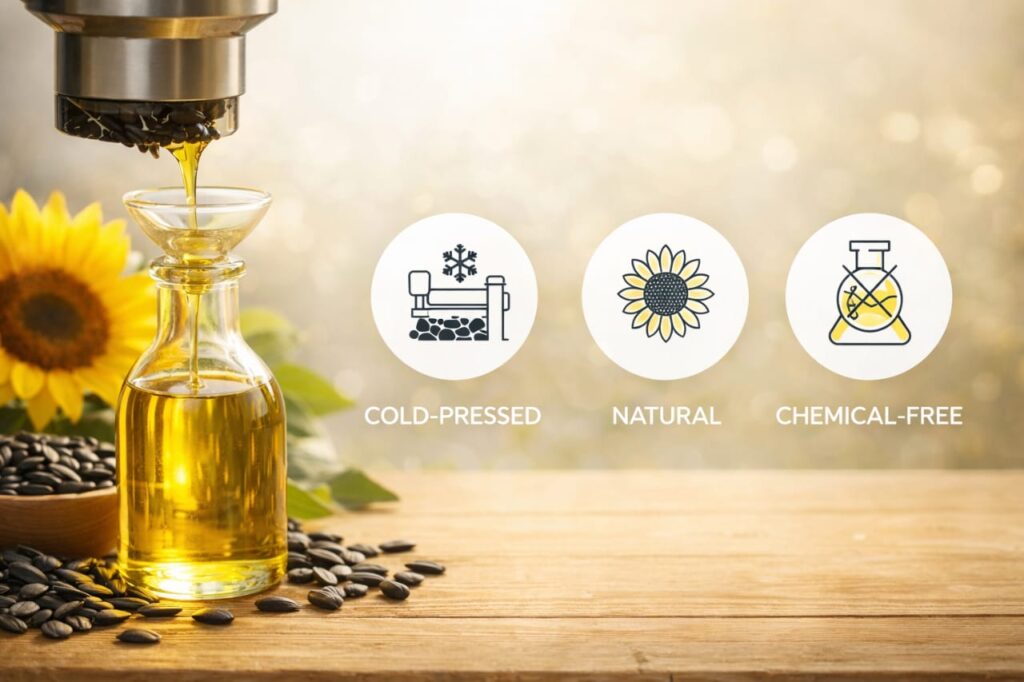
Sunflower seed oil is a natural oil extracted from the seeds of the sunflower plant. For hair care, cold-pressed sunflower oil is considered the best because it retains more nutrients compared to refined versions.
Types of Sunflower Seed Oil
• Cold-Pressed Sunflower Oil: Rich in nutrients, ideal for hair and skin
• Refined Sunflower Oil: More processed, lighter scent, fewer nutrients
When choosing sunflower oil for hair, always prefer cold-pressed or unrefined varieties for maximum benefits.
Nutritional Profile of Sunflower Seed Oil for Hair
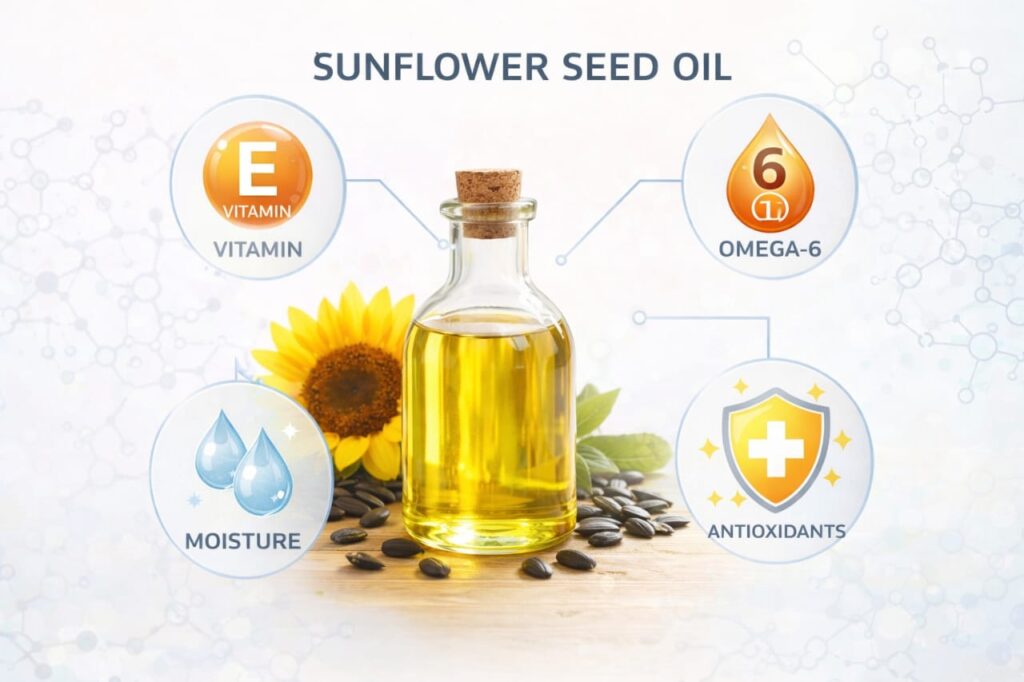
The effectiveness of sunflower seed oil comes from its impressive nutrient composition:
• Vitamin E: Supports scalp health and reduces oxidative stress
• Omega-6 Fatty Acids (Linoleic Acid): Strengthen hair barrier and prevent moisture loss
• Antioxidants: Protect hair from environmental damage
• Lightweight Emollients: Smooth hair cuticles and reduce frizz
These nutrients make sunflower oil especially useful for dry, damaged, or environmentally stressed hair.
Top Benefits of Sunflower Seed Oil for Hair
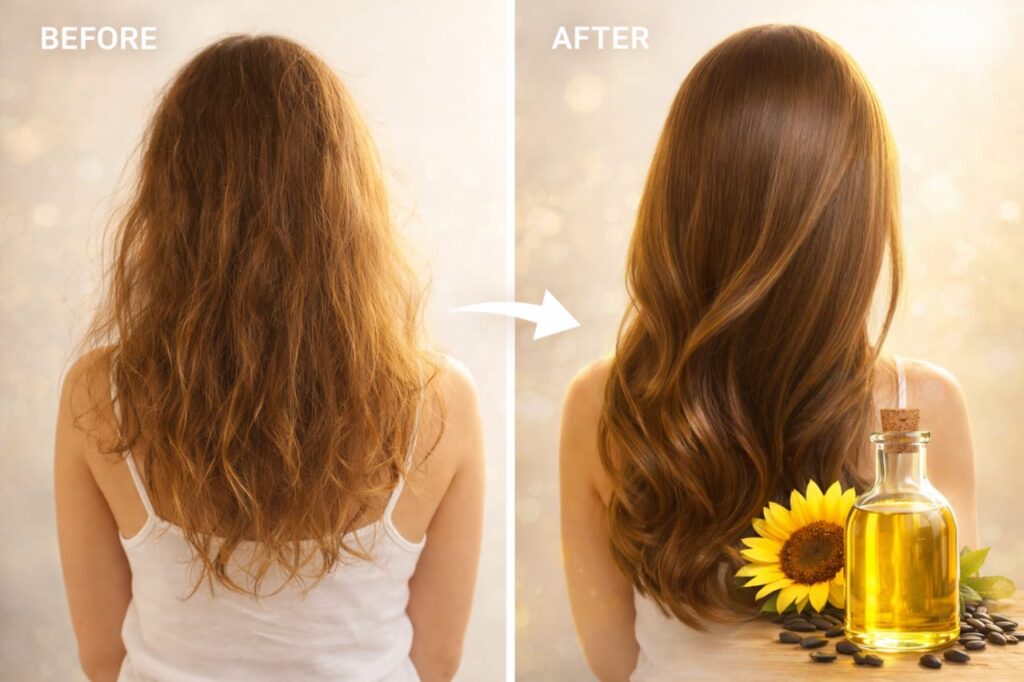
1. Deeply Moisturizes Dry and Dehydrated Hair
One of the biggest benefits of sunflower seed oil for hair is its ability to lock in moisture. The oil penetrates the hair shaft and forms a protective layer that prevents water loss. This is particularly beneficial for people with dry, brittle, or curly hair.
Regular use helps hair feel softer, smoother, and more manageable.
2. Strengthens Hair and Reduces Breakage
Sunflower oil is rich in linoleic acid, which helps reinforce the hair’s natural lipid barrier. This reduces protein loss from hair strands and minimizes breakage caused by brushing, heat styling, and environmental exposure.
Stronger strands mean fewer split ends and healthier-looking hair over time.
3. Promotes a Healthy Scalp Environment
A healthy scalp is the foundation of healthy hair. Sunflower seed oil helps soothe dryness, reduce irritation, and maintain scalp moisture balance. Its anti-inflammatory properties can calm an itchy or flaky scalp, making it suitable for sensitive skin.
A well-nourished scalp creates better conditions for natural hair growth.
4. Supports Hair Growth Naturally
While sunflower seed oil is not a miracle growth oil, it supports hair growth indirectly by improving scalp health and circulation. When used for sunflower oil scalp massage, it enhances blood flow to hair follicles, delivering essential nutrients that support growth cycles.
Consistent care often results in thicker, stronger hair over time.
5. Adds Natural Shine Without Greasiness
Unlike heavy oils, sunflower oil is lightweight and absorbs easily. It smooths the hair cuticle, which helps reflect light and gives hair a healthy, natural shine without leaving a greasy residue.
This makes it ideal for fine or medium hair types.
6. Helps Control Frizz and Flyaways
Frizz occurs when hair lacks moisture and the cuticle layer is raised. Sunflower seed oil seals the cuticle, reducing frizz and flyaways while improving overall texture. It works especially well in humid climates where hair tends to become unmanageable.
7. Protects Hair from Environmental Damage
Exposure to sunlight, pollution, and dust can weaken hair over time. The antioxidants in sunflower seed oil help neutralize free radicals, protecting hair from premature aging, dullness, and dryness.
Using sunflower oil regularly can act as a natural protective shield for your hair.
8. Suitable for Color-Treated and Chemically Treated Hair
Color-treated hair often becomes dry and fragile. Sunflower seed oil helps retain moisture and reduce color fading by smoothing the hair cuticle. Its gentle nature makes it safe for chemically treated or damaged hair.
Sunflower Seed Oil for Different Hair Types
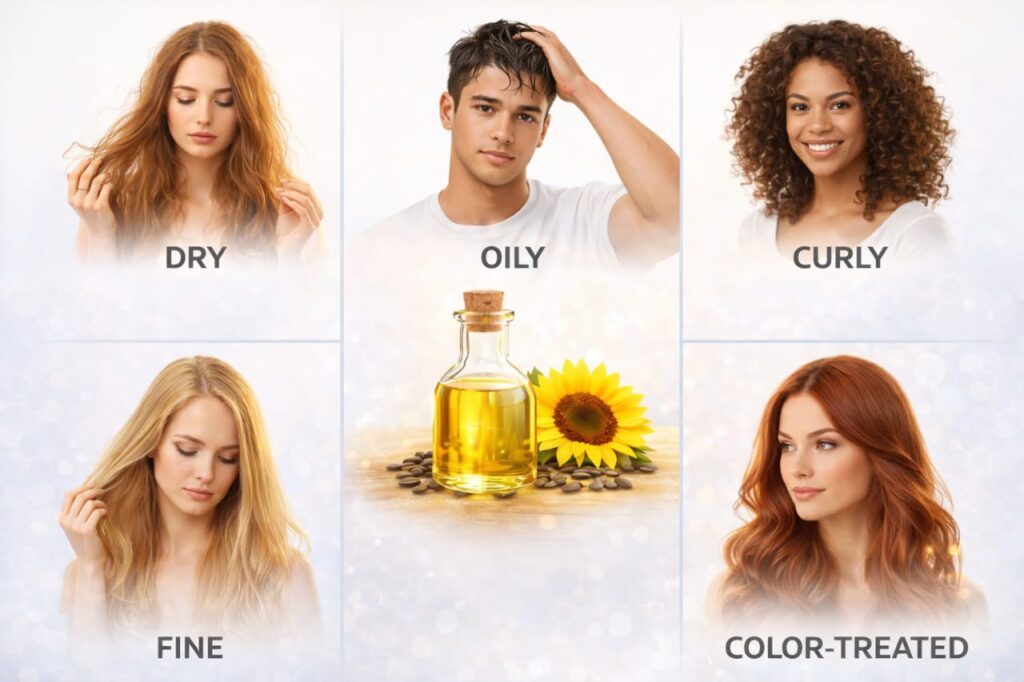
For Dry Hair
Provides deep hydration and restores softness.
For Oily Scalp
Lightweight texture prevents clogged pores when used in small amounts.
For Curly and Wavy Hair
Enhances curl definition and reduces frizz.
For Fine Hair
Adds shine without weighing hair down.
How to Use Sunflower Seed Oil for Hair
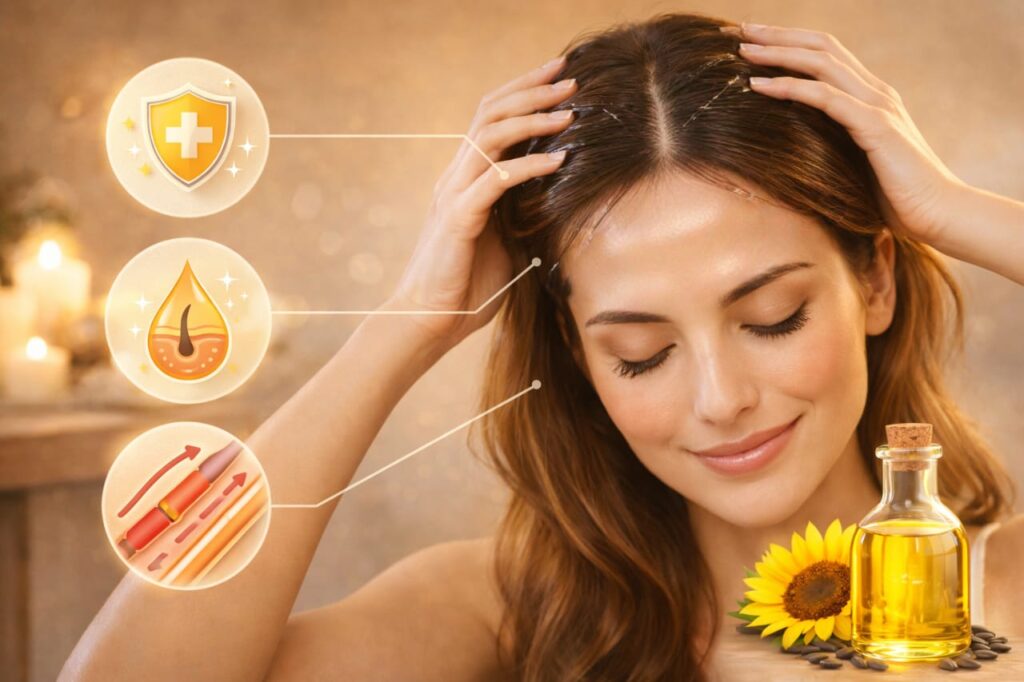
1. As a Scalp Massage Oil
• Warm a small amount of sunflower seed oil
• Massage gently into the scalp for 5–10 minutes
• Leave on for 30–60 minutes or overnight
• Wash with a mild shampoo
Use 1–2 times per week for best results.
2. As a Hair Mask
Mix sunflower seed oil with ingredients like aloe vera or yogurt to create a nourishing hair mask. Apply from roots to ends and leave on for 30 minutes before washing.
3. As a Leave-In Oil or Serum
Rub 2–3 drops between your palms and apply to damp hair ends to control frizz and add shine.
4. Mixing with Other Natural Oils
Sunflower oil blends well with coconut oil, castor oil, or argan oil for targeted benefits like growth, repair, or deep conditioning.
Sunflower Seed Oil vs Other Popular Hair Oils

| Oil Type | Texture | Best For |
| Sunflower Oil | Light weight | Moisture, shine, frizz control |
| Coconut Oil | Heavy | Deep nourishment, protein protection |
| Argan Oil | Medium | Repair, smoothness |
| Olive Oil | Heavy | Dry, damaged hair |
Sunflower seed oil stands out for its light feel and daily usability.
Possible Side Effects and Precautions
Sunflower seed oil is generally safe, but keep these tips in mind:
• Always do a patch test before first use
• Avoid overuse on oily scalp
• Choose pure, cold-pressed oil
If irritation occurs, discontinue use.
How to Choose the Best Sunflower Seed Oil for Hair
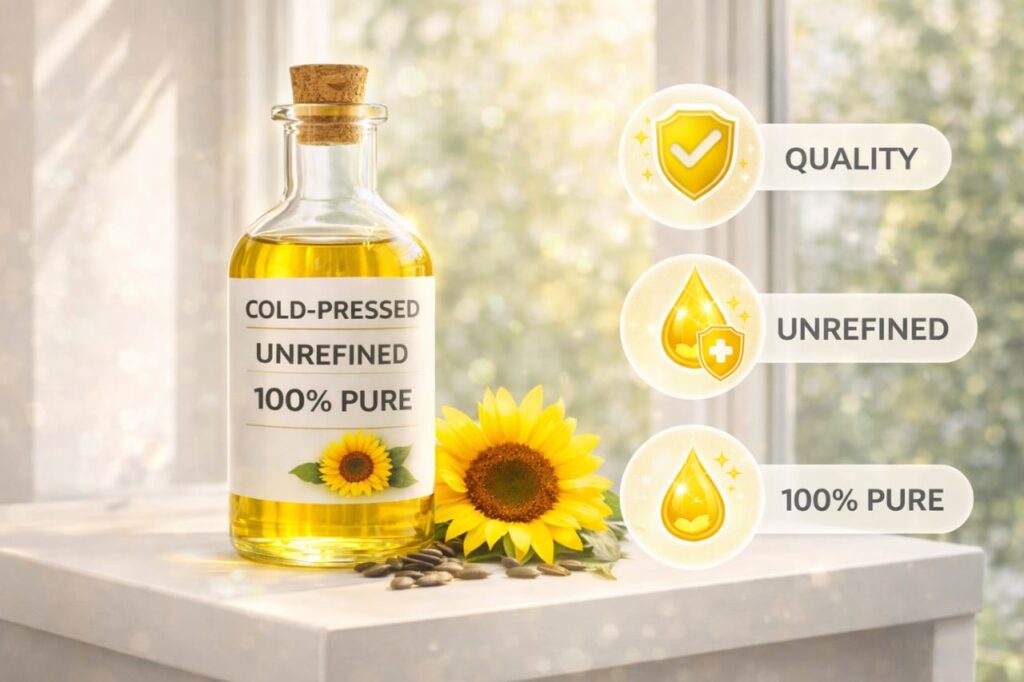
• Look for cold-pressed or unrefined labels
• Avoid oils with added fragrances or chemicals
• Store in a cool, dark place to preserve nutrients
Tips to Maximize Results
• Be consistent with usage
• Use gentle, sulfate-free shampoos
• Avoid excessive heat styling
• Maintain a balanced diet rich in vitamins and minerals
Conclusion
Absolutely. The benefits of sunflower seed oil for hair make it a versatile, affordable, and effective natural solution for moisture, shine, and scalp care. Its lightweight texture, rich vitamin E content, and protective properties suit almost all hair types.
Whether you’re dealing with dryness, frizz, dullness, or mild hair fall, sunflower seed oil can be a gentle yet powerful addition to your hair care routine. With consistent use and the right application methods, healthier, stronger, and shinier hair is well within reach.
Read this also :-
- What Is the Best Food for Hair Growth? Top 10 Guide for Strong and Healthy Hair
- Facebook page :- Dailylife99
FAQs: Benefits of Sunflower Seed Oil for Hair
Q1. Is sunflower seed oil good for hair growth?
Yes, it supports hair growth by improving scalp health and reducing breakage.
Q2. Can sunflower oil be used daily on hair?
Yes, in small amounts as a leave-in oil, especially on dry ends.
Q3. Does sunflower oil help with dandruff?
It can help soothe dryness-related flakes but may not treat fungal dandruff.
Q4. Is sunflower oil suitable for children’s hair?
Yes, when used in small quantities and after a patch test.
Disclaimer:
The information provided on DailyLife99.com is for educational and informational purposes only and does not constitute medical advice. We are not medical professionals. The content shared on this website, including health and Ayurvedic information, is not intended to diagnose, treat, cure, or prevent any disease.
Always consult a qualified physician or licensed healthcare provider before making any health-related decisions. DailyLife99.com is not responsible for any outcomes or consequences resulting from the use of this information.