
Losing weight is not just about eating less or exercising more. One of the most important — and often misunderstood — factors behind sustainable weight loss is metabolism. Many people struggle with stubborn fat, slow progress, or constant fatigue and blame it on a “slow metabolism.” The good news? Your metabolism is not fixed.
In this detailed guide, you’ll learn how to increase metabolism for weight loss naturally, using simple daily habits, smart nutrition, movement, and lifestyle changes that actually work in real life. No extreme dieting, no false promises — just science-backed, advice you can follow consistently.
What Is Metabolism?
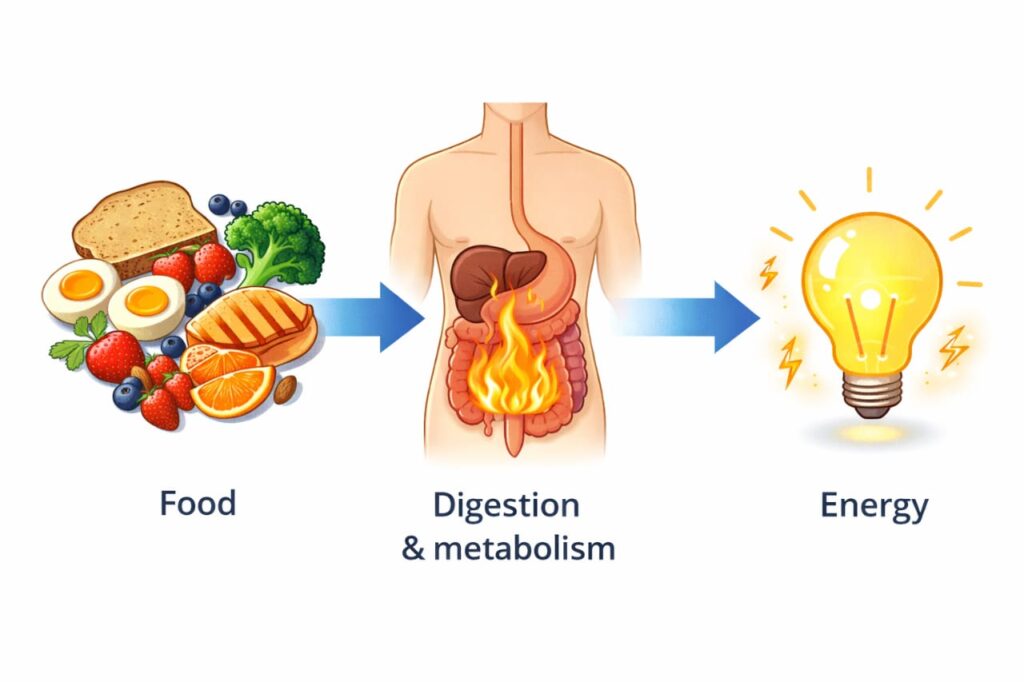
Metabolism refers to all the chemical processes in your body that convert food into energy. Even when you’re sleeping, your body burns calories to support breathing, blood circulation, digestion, cell repair, and hormone production.
This basic calorie burn is called Basal Metabolic Rate (BMR).
The higher your metabolism, the more calories your body burns — even at rest.
Fast vs Slow Metabolism
• Fast metabolism: Burns calories efficiently, easier fat loss
• Slow metabolism: Burns fewer calories, weight gain happens easily
Understanding how metabolism works is the first step toward improving it.
Signs Your Metabolism May Be Slow

Many people don’t realize their metabolism has slowed down. Common signs include:
• Difficulty losing weight despite dieting
• Gaining weight easily
• Feeling tired most of the day
• Constant hunger or sugar cravings
• Cold hands and feet
• Poor digestion
If you notice several of these signs, it’s time to focus on metabolism improvement rather than extreme calorie cutting.
What Affects Metabolism?
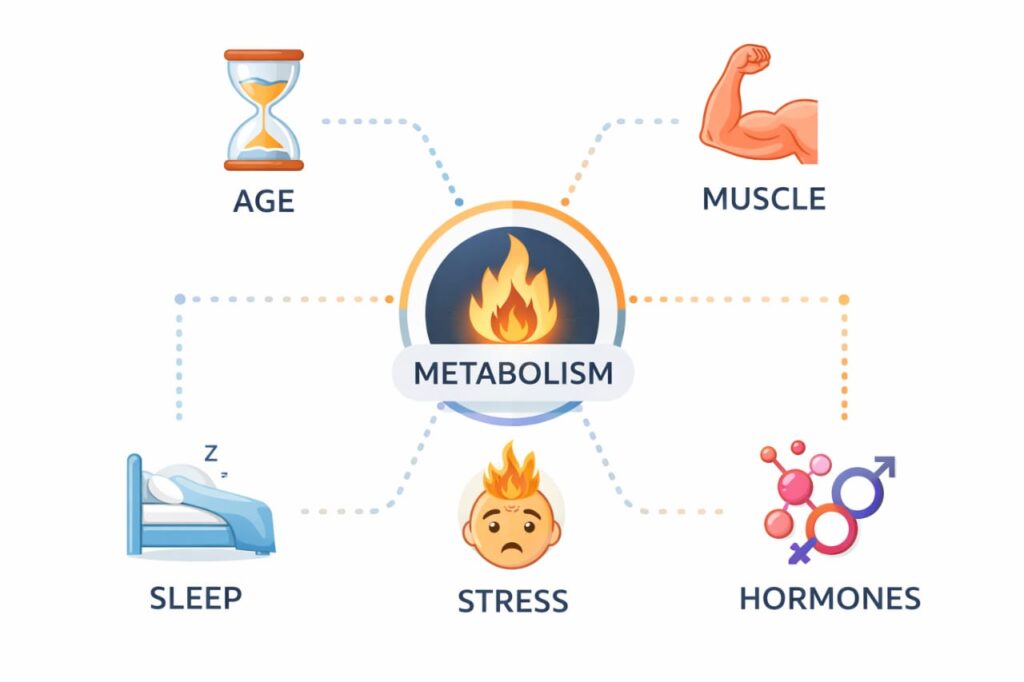
Your metabolic rate is influenced by multiple factors — some you can control, some you can’t.
1. Age
As we age, muscle mass naturally decreases, which can slow metabolism if not addressed.
2. Muscle Mass
Muscle burns more calories than fat, even at rest. More muscle = higher metabolism.
3. Hormones
Thyroid hormones, insulin, cortisol, and sex hormones all play a role in metabolic health.
4. Lifestyle Habits
Sleep, stress, diet quality, hydration, and daily movement can either boost or slow metabolism.
Best Natural Ways to Increase Metabolism for Weight Loss
1. Eat Enough Protein at Every Meal
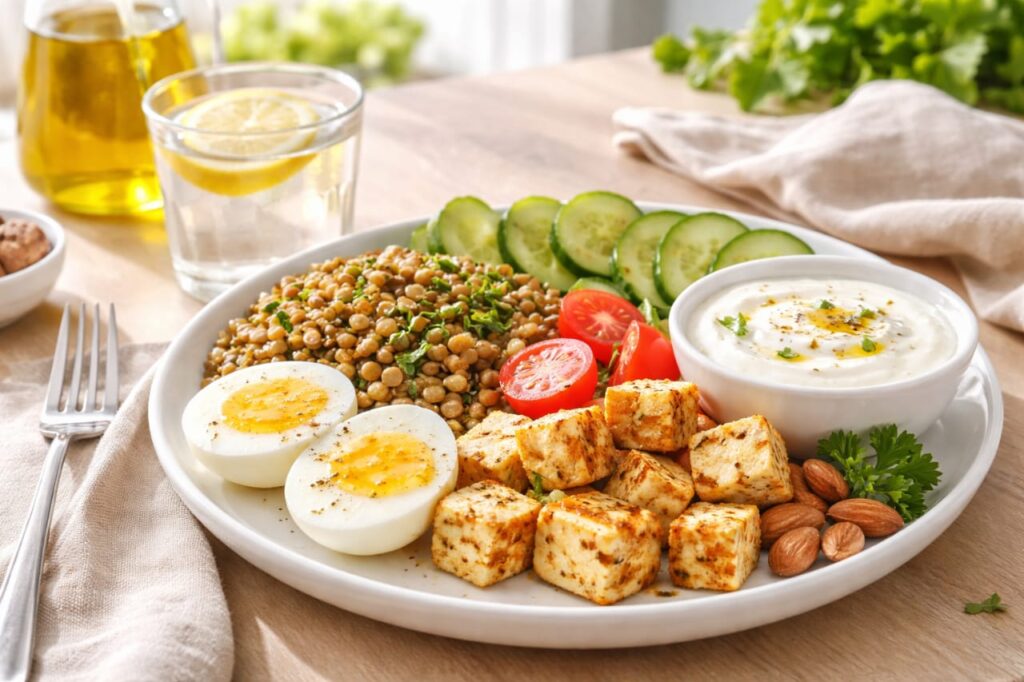
Protein has the highest thermic effect of food (TEF), meaning your body burns more calories digesting protein than carbs or fats.
Benefits of protein for metabolism:
• Increases calorie burn
• Preserves lean muscle during weight loss
• Controls hunger and cravings
Best protein sources:
• Eggs
• Paneer, curd, Greek yogurt
• Lentils, chickpeas, beans
• Tofu, soy products
• Nuts and seeds
Aim to include protein in every meal, not just dinner.
2. Build Lean Muscle With Strength Training

One of the most powerful ways to boost metabolism is strength training.
Muscle tissue burns more calories than fat tissue — even when you’re resting. You don’t need a gym to start.
Beginner-friendly strength exercises:
• Squats
• Push-ups (wall or knee)
• Lunges
• Resistance band workouts
• Bodyweight exercises at home
Just 20–30 minutes, 3–4 times a week can significantly improve metabolic rate over time.
3. Stay Active Throughout the Day (NEAT Matters)

NEAT (Non-Exercise Activity Thermogenesis) includes all movement outside formal workouts.
Examples:
• Walking while talking on the phone
• Taking stairs instead of lifts
• Stretching while watching TV
• Doing household chores
These small movements can burn hundreds of extra calories per day and keep metabolism active.
4. Drink Enough Water Daily

Even mild dehydration can slow metabolism.
Studies show drinking water can temporarily boost calorie burning by up to 30%. Cold water may increase this effect slightly, as your body works to warm it.
Hydration tips:
• Start your day with 1–2 glasses of water
• Drink before meals
• Keep a bottle nearby throughout the day
Avoid sugary drinks — they harm metabolic health.
5. Improve Sleep Quality

Poor sleep disrupts hormones that control hunger and fat storage.
Effects of poor sleep on metabolism:
• Increased cravings
• Slower calorie burn
• Higher cortisol levels
• Reduced insulin sensitivity
Aim for 7–9 hours of quality sleep. Create a consistent sleep schedule and reduce screen time before bed.
6. Reduce Stress Naturally
Chronic stress increases cortisol, a hormone that promotes fat storage — especially around the belly.
Simple stress-reducing habits:
• Deep breathing
• Meditation or prayer
• Walking in nature
• Listening to calming music
Lower stress = better metabolism.
Metabolism-Boosting Foods You Should Eat
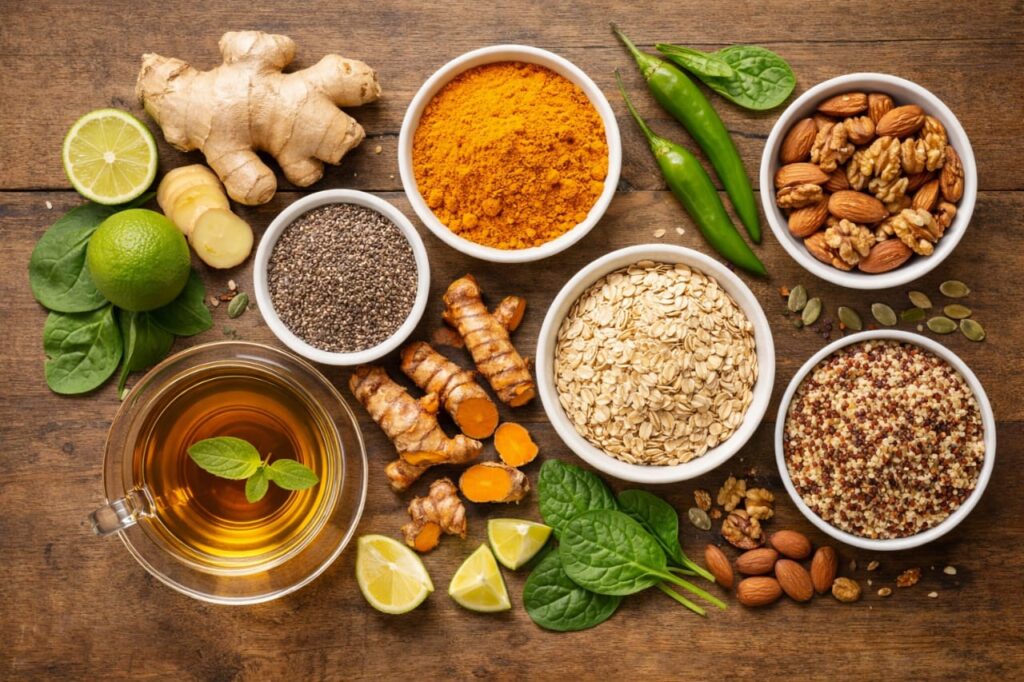
Certain foods naturally support metabolic health.
1. Spices
• Ginger
• Turmeric
• Black pepper
• Green chili
They slightly increase body temperature and calorie burn.
2. Whole Foods
Whole foods require more energy to digest than processed foods.
Choose:
• Whole grains
• Fresh fruits and vegetables
• Natural proteins
3. Healthy Fats
Healthy fats support hormone balance.
Best sources:
• Nuts and seeds
• Olive oil
• Ghee (in moderation)
• Avocado
Morning Habits That Increase Metabolism

Your morning routine sets the tone for your metabolism all day.
1. Wake Up and Hydrate
Drinking water after waking up activates digestion and metabolism.
2. Get Sunlight
Morning sunlight helps regulate circadian rhythm, improving sleep and metabolic health.
3. Move Your Body
Even 5–10 minutes of stretching or walking can jump-start calorie burning.
Habits That Slow Down Metabolism (Avoid These)

Many people unknowingly damage their metabolism while trying to lose weight.
1. Extreme Calorie Restriction
Eating too little signals your body to conserve energy, slowing metabolism.
2. Skipping Meals Frequently
Irregular eating can disrupt blood sugar and hormone balance.
3. Too Much Sugar and Junk Food
Highly processed foods reduce metabolic efficiency and increase fat storage.
Do Supplements Really Boost Metabolism?
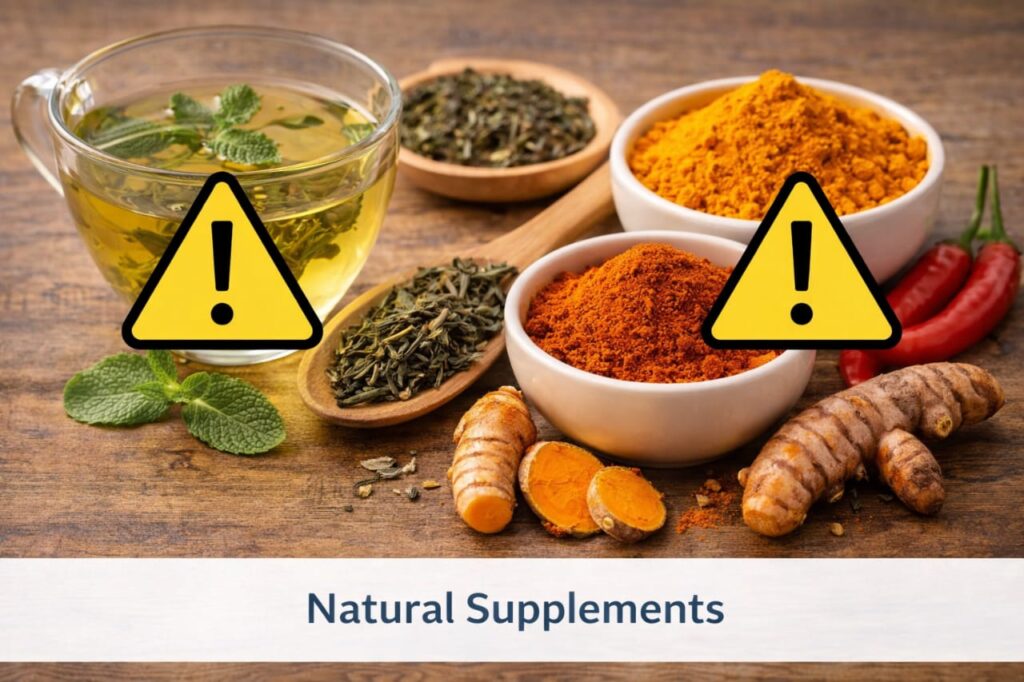
Most metabolism-boosting supplements offer minimal benefits unless lifestyle habits are in place.
Natural options like green tea, coffee, or spices may help slightly, but no supplement can replace good food, movement, sleep, and consistency.
Always focus on fundamentals first.
How Long Does It Take to Improve Metabolism?
Metabolism doesn’t change overnight.
What to expect:
• 1–2 weeks: better energy and digestion
• 3–4 weeks: improved fat burning
• 2–3 months: noticeable body composition changes
Consistency matters more than speed.
Common Metabolism Myths (Stop Believing These)
• ❌ “Starving helps burn fat”
• ❌ “Metabolism is genetic and unchangeable”
• ❌ “Only intense workouts increase metabolism”
Truth: Daily habits shape your metabolism more than genetics.
FAQs
Q1. Can metabolism be increased after 30 or 40?
Yes. Strength training, protein intake, and lifestyle changes work at any age.
Q2. Does metabolism permanently slow with age?
It slows mainly due to muscle loss and inactivity — both are reversible.
Q3. Is fast metabolism only genetic?
Genetics play a role, but habits matter far more.
Read this also :-
- Top 12 Health Benefits of Beetroot and Carrot Juice: A Powerful Natural Drink for Everyday Wellness
- Top 15 Health Benefits of Carrot Juice: Skin, Eyes, Immunity & Weight Loss
- Facebook page :- Dailylife99
Final Thoughts
If you truly want long-term weight loss, stop chasing shortcuts and focus on building a healthy metabolism.
Eat enough, move daily, lift weights, sleep well, manage stress, and choose whole foods. When your metabolism improves, weight loss becomes easier, natural, and sustainable.
Remember — a healthy metabolism is not about punishment, but support.
Disclaimer:
The information provided on DailyLife99.com is for educational and informational purposes only and does not constitute medical advice. We are not medical professionals. The content shared on this website, including health and Ayurvedic information, is not intended to diagnose, treat, cure, or prevent any disease.
Always consult a qualified physician or licensed healthcare provider before making any health-related decisions. DailyLife99.com is not responsible for any outcomes or consequences resulting from the use of this information.