
Low-Carb Diet For Weight loss :- In today’s fast-paced lifestyle, weight gain has become a common concern for many people. Unhealthy eating habits, lack of physical activity, stress, and excessive intake of refined carbohydrates often lead to obesity and related health problems. This is where the low-carb diet for weight loss comes into focus.
A low-carb diet focuses on reducing carbohydrate intake while increasing protein and healthy fats. Instead of relying on sugar and refined carbs for energy, the body learns to burn stored fat, which helps in effective and sustainable weight loss.
This diet is not about starving or skipping meals. It is about choosing the right foods that keep you full, energized, and healthy. Whether you are a beginner or someone who has tried multiple diets before, a low-carb approach can be adapted to suit different lifestyles and food preferences.
How the Low-Carb Diet Works for Weight Loss
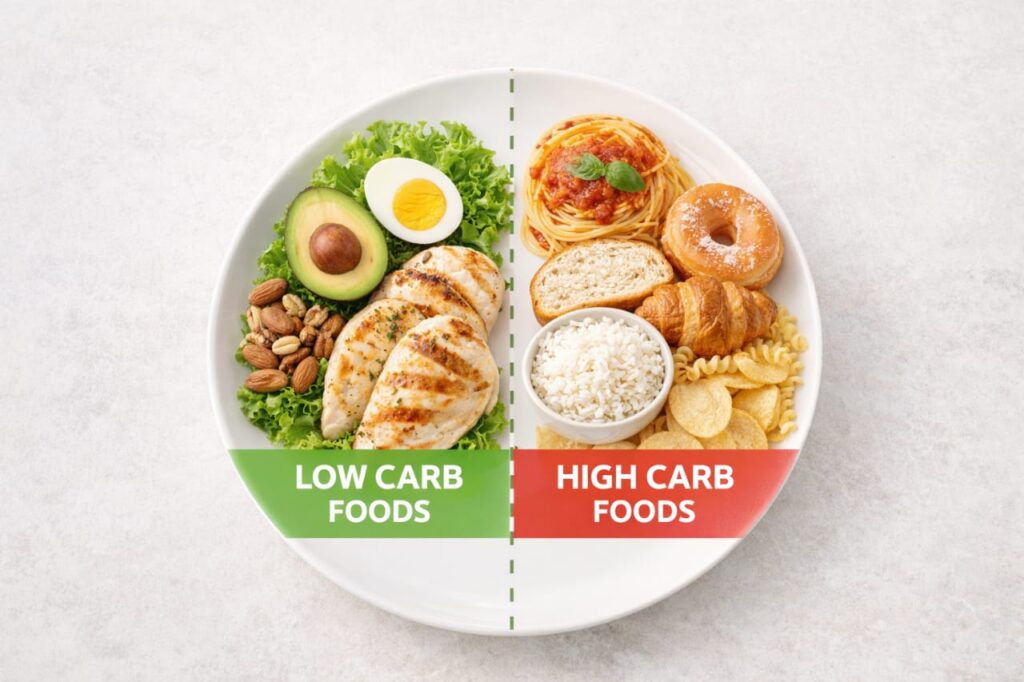
Role of Carbohydrates in the Body
Carbohydrates are the body’s primary source of energy. When we eat carbs, they break down into glucose, which raises blood sugar levels. The hormone insulin helps move glucose into cells for energy or stores it as fat when excess glucose is present.
Reducing Carbs and Insulin Levels
When you reduce carbohydrate intake, insulin levels drop significantly. Low insulin levels signal the body to release stored fat for energy. This is one of the main reasons a low-carb diet helps with weight loss.
Fat Burning and Ketosis (Simple Explanation)
With fewer carbs available, the body shifts from burning glucose to burning fat. In very low-carb diets like keto, the body enters a state called ketosis, where fat is converted into ketones for energy. Even moderate low-carb diets encourage fat burning without extreme restrictions.
Appetite Control
One major benefit of a low-carb diet is reduced hunger. Protein and healthy fats keep you full for longer, helping you eat fewer calories naturally without feeling deprived.
Types of Low-Carb Diets
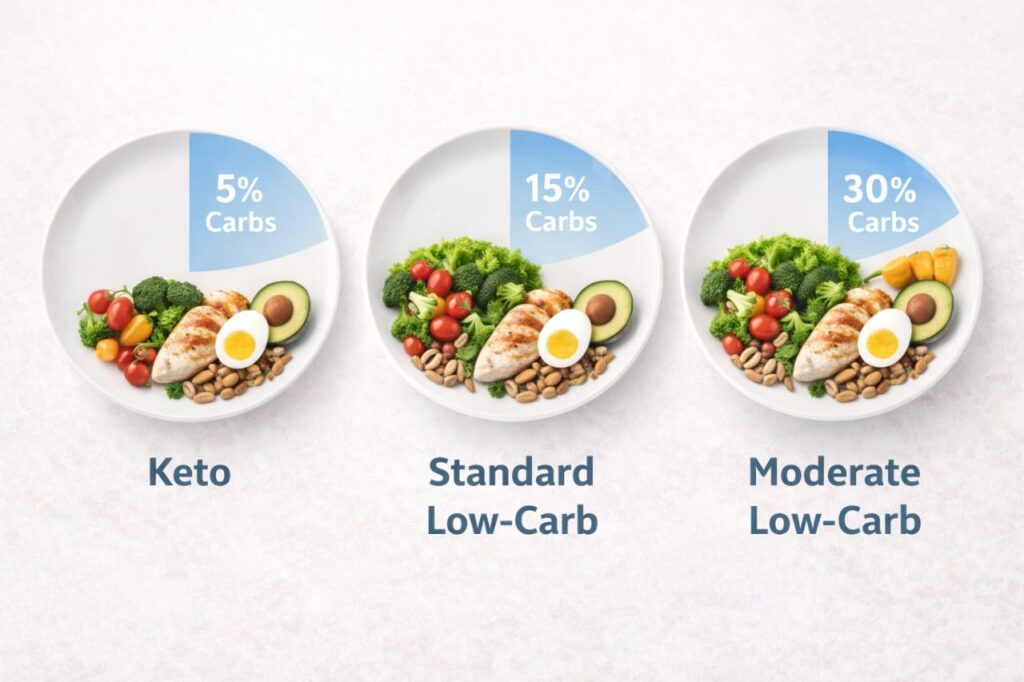
1. Standard Low-Carb Diet
This includes moderate protein, healthy fats, and low-carb vegetables while avoiding sugar and refined grains. It is ideal for long-term weight loss.
2. Ketogenic (Keto) Diet
A very low-carb, high-fat diet that puts the body into ketosis. It can lead to rapid weight loss but may not suit everyone.
3. Low-Carb High-Protein Diet
This version focuses on higher protein intake, making it suitable for people who want fat loss along with muscle maintenance.
4. Moderate Low-Carb Diet for Beginners
Best for beginners, this diet reduces refined carbs but allows limited whole grains and fruits, making it easier to follow.
Benefits of a Low-Carb Diet for Weight Loss

Faster Fat Loss
Many people experience quicker weight loss in the initial weeks due to reduced water retention and fat burning.
Reduced Hunger and Cravings
Protein-rich and low-carb foods stabilize blood sugar, reducing cravings for sugary snacks.
Better Blood Sugar Control
Low-carb diets are especially beneficial for people with insulin resistance or prediabetes.
Improved Energy Levels
Once the body adapts, energy levels become more stable without sugar crashes.
Reduced Belly Fat
Studies show low-carb diets are effective in reducing harmful abdominal fat.
Foods to Eat on a Low-Carb Diet

Protein-Rich Foods
• Eggs
• Chicken
• Fish
• Paneer
• Tofu
• Greek yogurt
Healthy Fats
• Olive oil
• Coconut oil
• Butter (in moderation)
• Nuts and seeds
Low-Carb Vegetables
• Spinach
• Broccoli
• Cauliflower
• Cabbage
• Zucchini
• Bell peppers
Dairy (Low Sugar)
• Cheese
• Curd
• Cottage cheese
Low-Sugar Fruits
• Berries
• Avocado
• Coconut
Foods to Avoid on a Low-Carb Diet
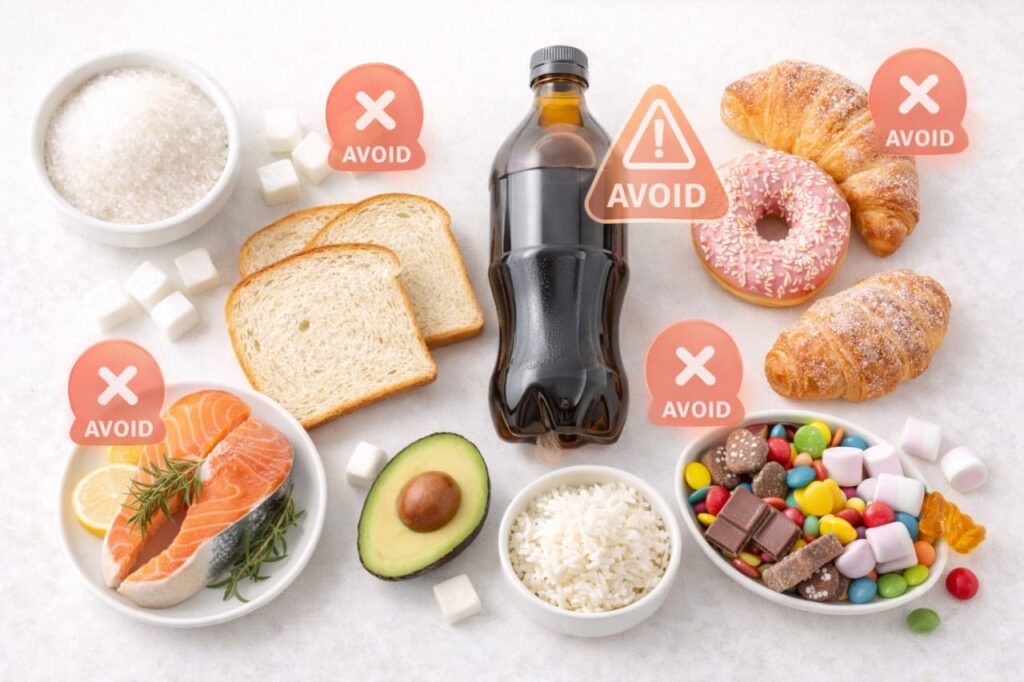
• Sugar and sweets
• White bread and bakery items
• Rice, pasta, and noodles
• Potatoes and corn
• Sweetened beverages
• Packaged and processed foods
Avoiding these foods helps control insulin spikes and supports consistent weight loss.
Low-Carb Diet Meal Plan for Weight Loss
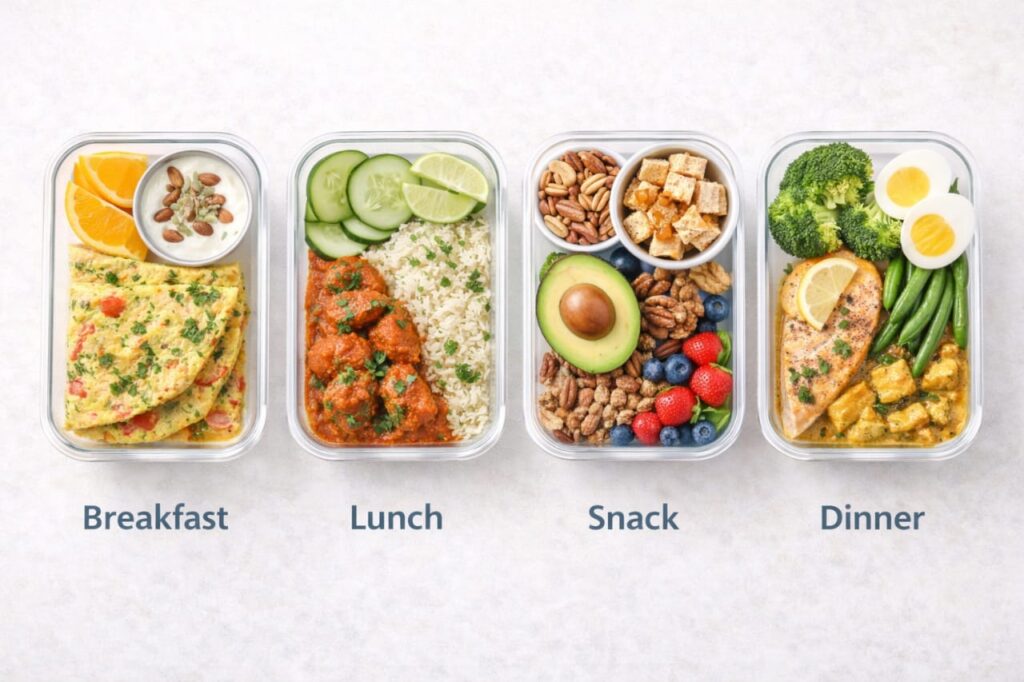
Sample Day Meal Plan
Breakfast:
• Omelet with vegetables OR paneer bhurji
• Green tea or black coffee
Lunch:
• Grilled chicken or tofu
• Mixed vegetable salad with olive oil
Snack:
• Handful of nuts or boiled eggs
Dinner:
• Stir-fried vegetables with fish or paneer
• Clear soup
Indian Low-Carb Food Options
• Dal (limited quantity)
• Paneer-based dishes
• Vegetable sabzi without potatoes
• Coconut-based curries
Low-Carb Diet for Beginners: How to Start

Step-by-Step Guide
• Remove sugar and refined carbs
• Increase protein intake
• Add healthy fats
• Drink enough water
• Eat whole, unprocessed foods
Common Mistakes to Avoid
• Cutting carbs too quickly
• Not eating enough fiber
• Avoiding fats completely
Tips to Stay Consistent
• Plan meals in advance
• Keep healthy snacks ready
• Focus on progress, not perfection
Side Effects of a Low-Carb Diet
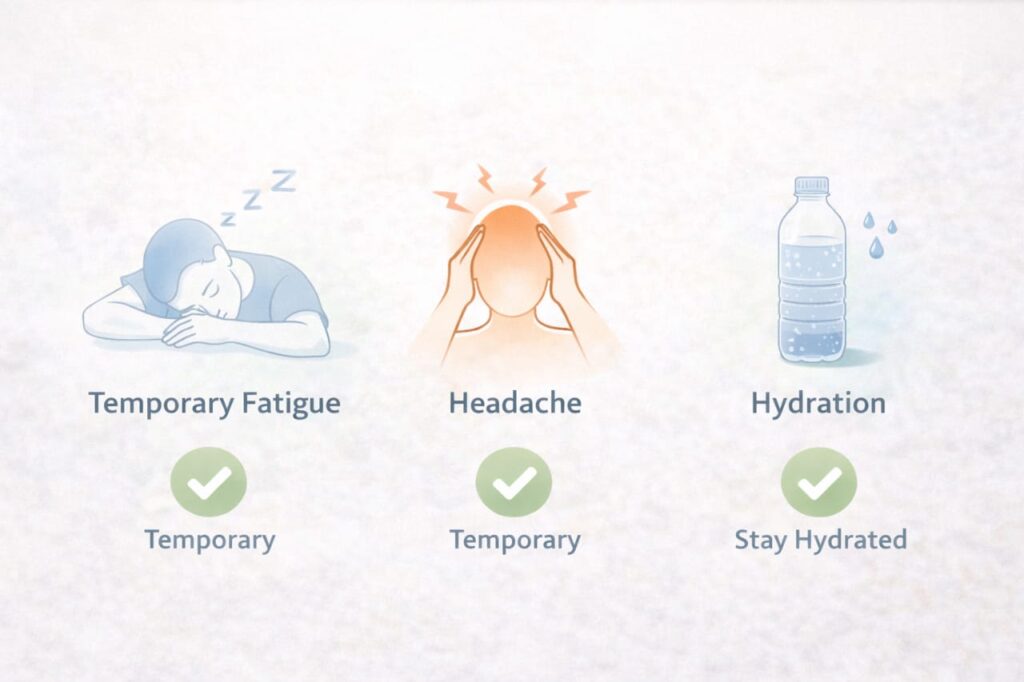
Some people may experience temporary side effects such as:
• Headaches
• Fatigue
• Constipation
• Dizziness
These symptoms usually occur during the first week and can be managed by staying hydrated, consuming electrolytes, and eating enough calories.
Who Should Avoid a Low-Carb Diet?

• Pregnant or breastfeeding women
• People with eating disorders
• Individuals with kidney or liver disease
Always consult a healthcare professional before starting any restrictive diet.
Tips to Maximize Weight Loss on a Low-Carb Diet
• Stay hydrated
• Get quality sleep
• Include light exercise
• Avoid hidden sugars
• Track your progress weekly
Common Myths About Low-Carb Diets
Myth: Carbs are completely bad
Truth: Healthy carbs in moderation are acceptable
Myth: Low-carb means low energy
Truth: Energy stabilizes after adaptation
Myth: It’s not sustainable
Truth: A balanced low-carb diet can be followed long-term
Conclusion
The low-carb diet for weight loss is one of the most effective and science-backed approaches to fat loss. By reducing refined carbohydrates and focusing on protein-rich, whole foods, this diet helps control hunger, stabilize blood sugar, and promote long-term health.
Weight loss is not about quick fixes but about building healthy habits. A well-planned low-carb diet, combined with consistency and a balanced lifestyle, can help you achieve and maintain your ideal weight safely.
Read this also :-
- Top 15+ Cinnamon Benefits For Health: Uses, Nutrition & How to Include It in Daily Life
- Facebook page :- Dailylife99
FAQs: Low-Carb Diet For Weight loss
Q1. How many carbs should I eat daily for weight loss?
Most people benefit from 50–100 grams of carbs per day, depending on activity level.
Q2. Is a low-carb diet safe long-term?
Yes, when based on whole foods and balanced nutrition.
Q3. Can vegetarians follow a low-carb diet?
Absolutely. Paneer, tofu, nuts, seeds, and low-carb vegetables are great options.
Q4. How fast will I lose weight on a low-carb diet?
Initial weight loss can be seen within 1–2 weeks, but sustainable fat loss takes time.
Q5. Can I lose weight on a low-carb diet without exercise?
Yes, but combining it with light exercise improves results and overall health.
Disclaimer:
The information provided on DailyLife99.com is for educational and informational purposes only and does not constitute medical advice. We are not medical professionals. The content shared on this website, including health and Ayurvedic information, is not intended to diagnose, treat, cure, or prevent any disease.
Always consult a qualified physician or licensed healthcare provider before making any health-related decisions. DailyLife99.com is not responsible for any outcomes or consequences resulting from the use of this information.