
Residential Treatment for Depression and Anxiety :-In today’s fast-paced world, depression and anxiety have become some of the most common mental health challenges. Work pressure, relationship issues, social media influence, financial stress, and uncertainty about the future — all these factors deeply affect emotional well-being. While many people recover through medication, counseling, or therapy, some require deeper and more structured care.
In such situations, Residential Treatment becomes an extremely effective option.
This blog serves as a complete guide to understanding residential treatment for depression and anxiety — why it is needed, how it works, its benefits, and its long-term impact.
What Is Residential Treatment?

Residential treatment is a specialized mental health care model where individuals stay for a certain period in a safe, supervised, and professional environment. Here they receive continuous support from a team of mental health experts such as psychiatrists, psychologists, therapists, nurses, and wellness specialists.
Its purpose is to:
Provide deep, structured healing
Balance medication and therapy
Remove the patient from everyday triggers
Introduce healthy lifestyle habits
This model works especially well for individuals who do not improve sufficiently through regular outpatient therapy.
Why Are Depression and Anxiety Increasing?
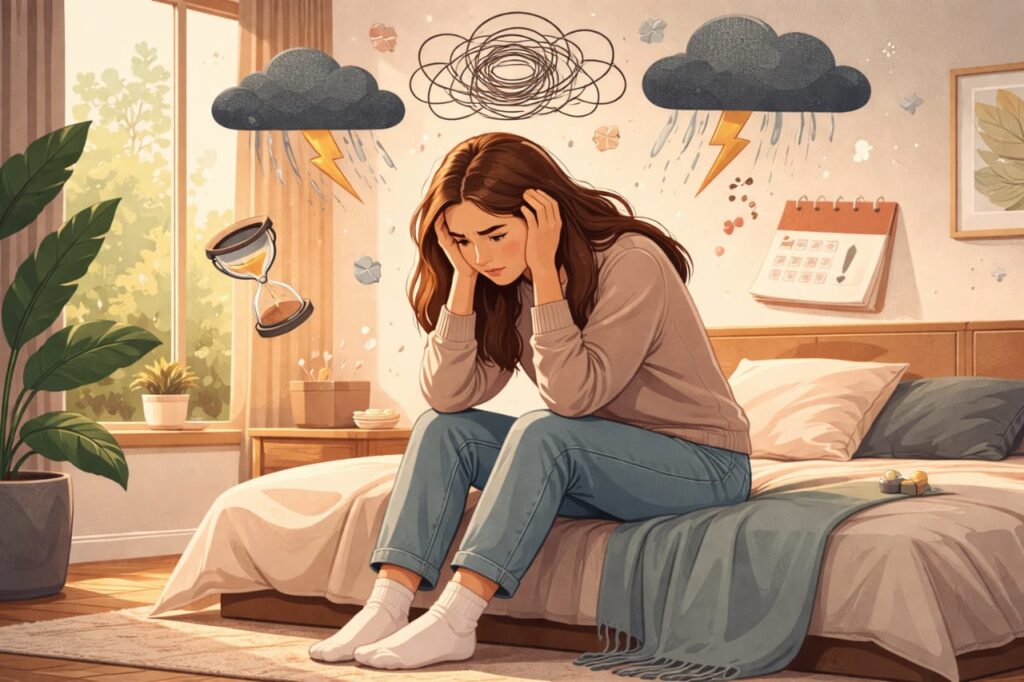
Mental health today is not just an emotional concern; it directly influences the quality of life. Major contributing factors include:
1. Fast-paced modern lifestyle
Constant deadlines, multitasking, and lack of rest increase emotional strain.
2. Social media and comparison culture
Seeing “perfect lives” online lowers self-worth and creates unrealistic expectations.
3. Loneliness and weakened emotional connections
Even with digital connectivity, people often feel isolated.
4. Financial instability
Worries related to money, career, and the future worsen anxiety.
5. Biological and genetic factors
Some individuals are naturally more vulnerable to developing depression and anxiety.
When these issues intensify, a person may need structured, full-time emotional and professional support — exactly what residential treatment provides.
Who Benefits the Most from Residential Treatment?
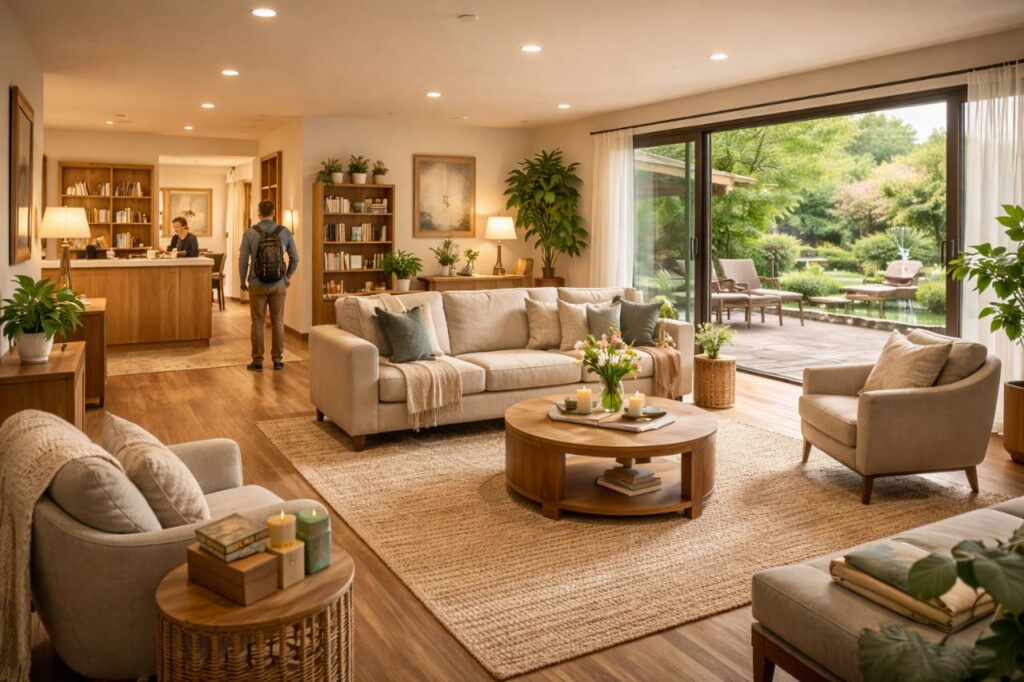
Residential treatment is highly effective for individuals who:
Experience severe or long-lasting depression and anxiety
Have suicidal thoughts or self-harm tendencies
Do not respond well to regular therapy or medication
Live in stressful home or work environments
Struggle with addiction along with mental illness (Dual Diagnosis)
Face emotional regulation difficulties
For such individuals, a safe and structured environment becomes essential for healing.
Key Features of Residential Treatment

1. 24×7 Professional Supervision
Continuous monitoring ensures the patient’s safety and timely intervention when needed.
2. Personalized Treatment Plan
Every individual’s mental health journey is unique. Residential centers create custom treatment plans suited to each person’s needs.
3. Multi-modal Therapy Approach
Residential programs include evidence-based therapies such as:
Cognitive Behavioral Therapy (CBT)
Dialectical Behavior Therapy (DBT)
Psychodynamic Therapy
Group Therapy
Family Therapy
Mindfulness and Meditation Therapy
Art and Expressive Therapy
These therapies help individuals understand their thoughts, emotions, and deeper causes of distress.
4. Structured Daily Routine
Depression and anxiety often disrupt a person’s routine.
Residential programs reintroduce stability through:
Yoga & mindfulness
Therapy sessions
Nutritious meals
Physical activity
Personal development workshops
Outdoor activities
This structured routine accelerates emotional recovery.
5. Balanced Medical & Psychological Care
A combination of medication, therapy, and lifestyle modification ensures holistic healing.
How the Residential Treatment Process Works
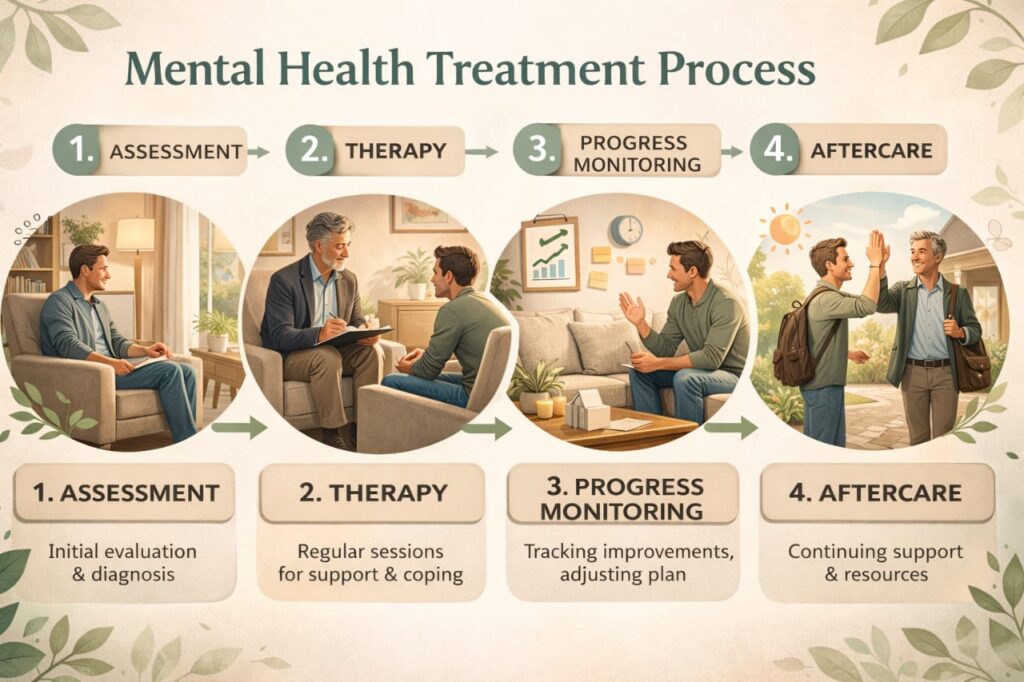
1. Initial Assessment
A complete evaluation of the patient’s physical, emotional, psychological, and social health is conducted.
2. Goal Setting
Clear and meaningful recovery goals are defined, such as improving self-esteem, reducing negative thoughts, managing stress, or improving relationships.
3. Therapy & Interventions
Daily and weekly therapy sessions are conducted based on the personal treatment plan.
4. Progress Monitoring
Experts regularly analyze the patient’s improvement and adjust the treatment plan whenever required.
5. Discharge Plan & Aftercare
Even after treatment, ongoing support such as follow-up therapy, peer groups, and lifestyle guidance ensures long-term recovery.
Major Benefits of Residential Treatment

1. Distance from Daily Triggers
A supportive environment away from stress promotes faster healing.
2. Emotional and Social Support
Patients feel understood and cared for by a dedicated team rather than feeling alone.
3. Healing Environment
Calm surroundings, routine, and emotional stability contribute to better mental health.
4. Intensive Treatment
The depth of care provided in residential treatment often achieves more in a few weeks than months of outpatient therapy.
5. Positive Lifestyle & Thought Transformation
Patients unlearn harmful habits and develop healthier patterns of thinking and behavior.
Myths and Truths About Residential Treatment
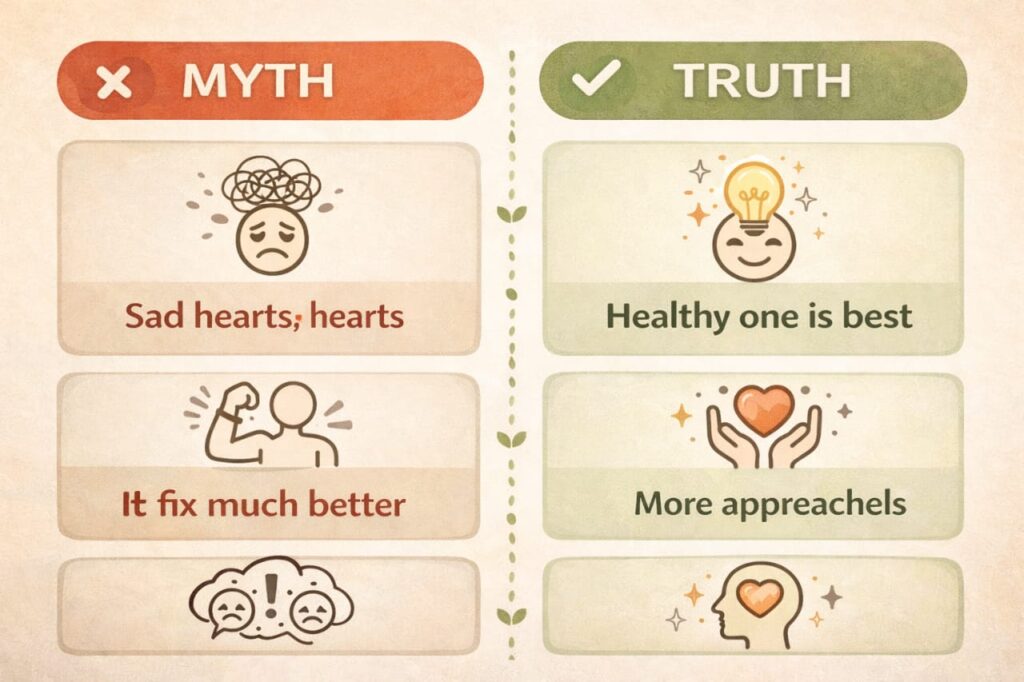
Myth 1: It is like a mental hospital.
Truth:
Modern residential facilities look and feel like peaceful, home-style wellness centers — not hospitals.
Myth 2: Only extremely severe cases need it.
Truth:
Anyone who needs structured care, safety, and intensive therapy can benefit from residential treatment.
Myth 3: You cannot leave once admitted.
Truth:
Most residential programs are voluntary, and the patient’s comfort and choice are given priority.
Impact of Residential Treatment on Life

Residential treatment not only treats symptoms but transforms a person’s life. After completing the program, individuals often experience:
Renewed self-confidence
Better emotional stability
Improved relationships
Clear thinking and decision-making
Better stress-management skills
A more positive and balanced outlook on life
It helps individuals rebuild their identity with strength and independence.
Conclusion :Residential Treatment for Depression and Anxiety
Depression and anxiety are serious mental health challenges, but with the right treatment, they are completely manageable — and even curable. Residential treatment offers a safe environment, professional supervision, structured therapy, and a holistic healing approach that helps individuals recover deeply.
If you or someone you know is struggling with depression or anxiety, seeking help is a courageous and life-changing step. Healing is always possible.
Read this :-
- Benefits of Sprouted Green Gram
- Facebook page :- Dailylife99
FAQ :Residential Treatment for Depression and Anxiety
1. Who should consider residential treatment for depression and anxiety?
People with severe symptoms, suicidal thoughts, or those who are not improving with regular therapy should consider residential treatment.
2. How long does residential treatment usually last?
Programs typically last from 2 weeks to 3 months, depending on the patient’s condition.
3. Is residential treatment safe?
Yes, it is extremely safe because patients stay under 24×7 supervision.
4. Are families involved in the treatment?
Yes, family therapy is often a part of residential programs to rebuild healthy relationships.
5. Can residential treatment cure depression and anxiety?
It significantly improves symptoms and teaches long-term coping skills. Many people experience major recovery.
6. Is aftercare necessary?
Absolutely. Aftercare helps maintain long-term stability and prevents relapse.
Disclaimer :-
© DailyLife99 — The information provided here is for general purposes only. For any kind of health-related issue, please consult your specialist or doctor first. DailyLife99.com does not claim responsibility for any harm or consequences arising from the use of this information.