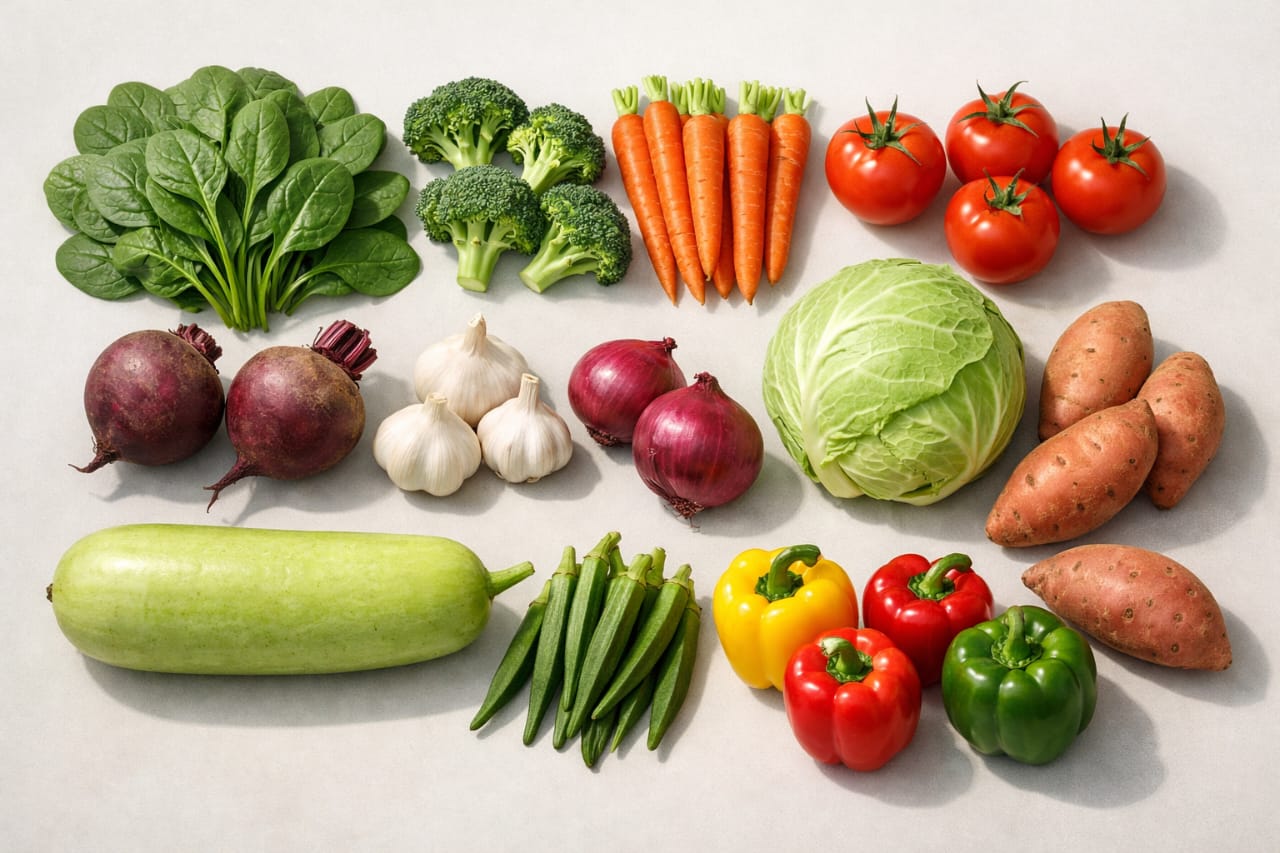
Heart disease is no longer a problem limited to old age. Today, busy lifestyles, stress, poor food habits, and lack of physical activity have made heart problems common even among younger adults. While medicines and medical care are important, what you eat every day plays a powerful role in protecting your heart.
Among all foods, vegetables stand out as one of the most natural and effective ways to support heart health. They are rich in fiber, antioxidants, vitamins, minerals, and plant compounds that help reduce cholesterol, control blood pressure, and improve blood circulation.
In this blog, you’ll learn Best Vegetables for Heart Health, how they work, and how to include them easily in your daily meals without stress or confusion.
Why Vegetables Are Essential for Heart Health
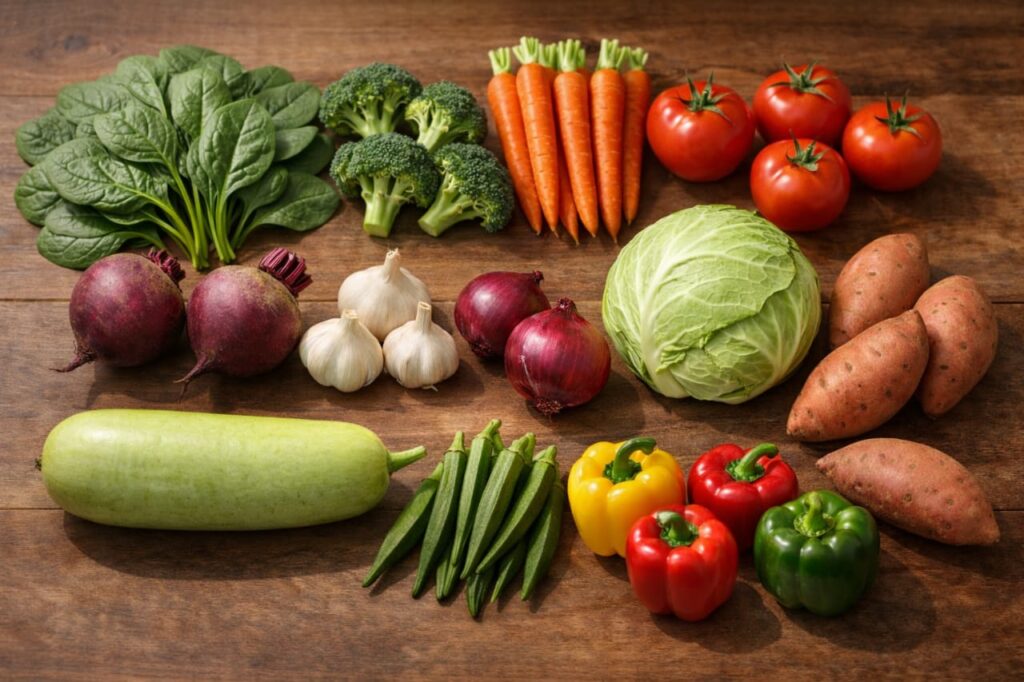
Vegetables are not just “side dishes.” They actively support your heart in several important ways.
1. They Help Lower Bad Cholesterol
Many vegetables are rich in soluble fiber, which helps remove excess LDL (bad) cholesterol from the body. Lower cholesterol means cleaner arteries and better blood flow.
2. They Support Healthy Blood Pressure
Vegetables naturally contain potassium, magnesium, and nitrates. These nutrients help relax blood vessels, balance sodium levels, and keep blood pressure in a healthy range.
3. They Reduce Inflammation
Chronic inflammation is a major cause of heart disease. Antioxidants found in vegetables fight oxidative stress and protect blood vessels from damage.
4. They Improve Blood Vessel Function
Certain vegetables help arteries stay flexible and elastic, allowing blood to flow smoothly and reducing strain on the heart.
5. They Support Weight and Blood Sugar Control
Vegetables are low in calories and high in fiber, which helps manage weight and stabilize blood sugar—both critical for heart health.
Top 12 Best Vegetables for Heart Health
1. Leafy Green Vegetables (Spinach, Kale, Methi)
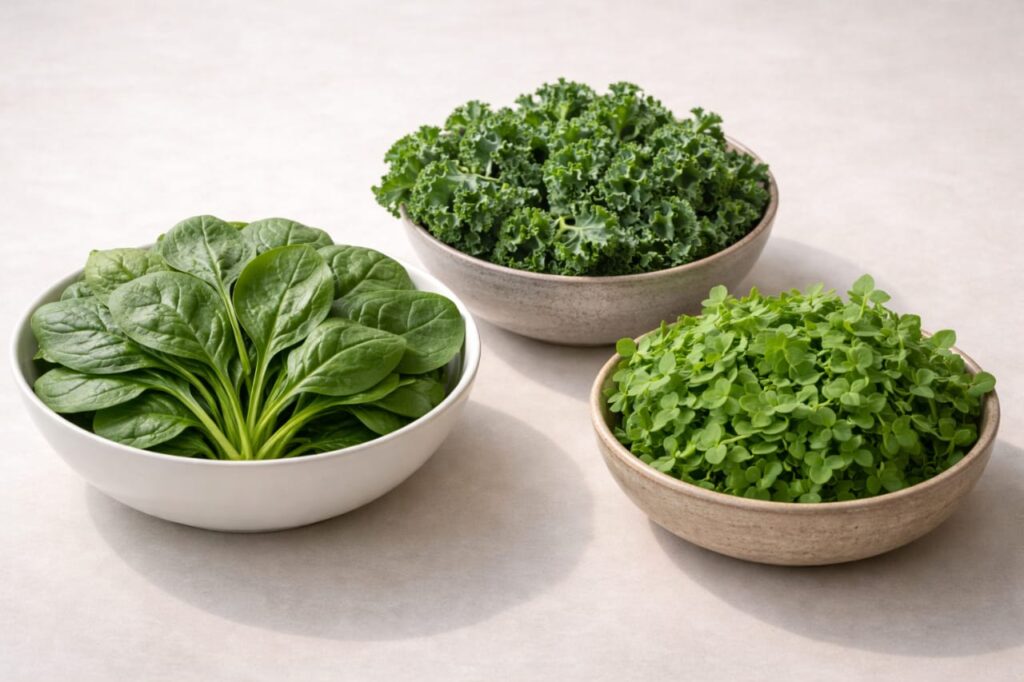
Leafy greens are often called heart-protective superfoods, and for good reason.
They are rich in:
•Dietary fiber
•Natural nitrates
•Vitamin K and magnesium
These nutrients help improve blood vessel function and reduce blood pressure. Regular consumption of leafy greens has been linked to a lower risk of heart disease.
How to eat them:
•Add spinach or methi to dal
•Use kale or spinach in smoothies
•Lightly sauté with garlic and olive oil
2. Broccoli

Broccoli is packed with antioxidants and compounds that support artery health.
Key benefits:
•Helps reduce oxidative stress
•Supports cholesterol balance
•Improves overall heart protection
Broccoli also contains fiber that helps clean out excess cholesterol from the bloodstream.
Best way to eat:
•Lightly steamed
•Stir-fried with minimal oil
•Added to vegetable soups
3. Carrots

Carrots are simple, affordable, and extremely heart-friendly.
They contain:
•Soluble fiber
•Beta-carotene (an antioxidant)
Carrots help reduce cholesterol absorption and protect blood vessels from damage.
Raw vs cooked:
•Raw carrots are great for fiber
•Cooked carrots improve antioxidant absorption
Including both is ideal.
4. Tomatoes
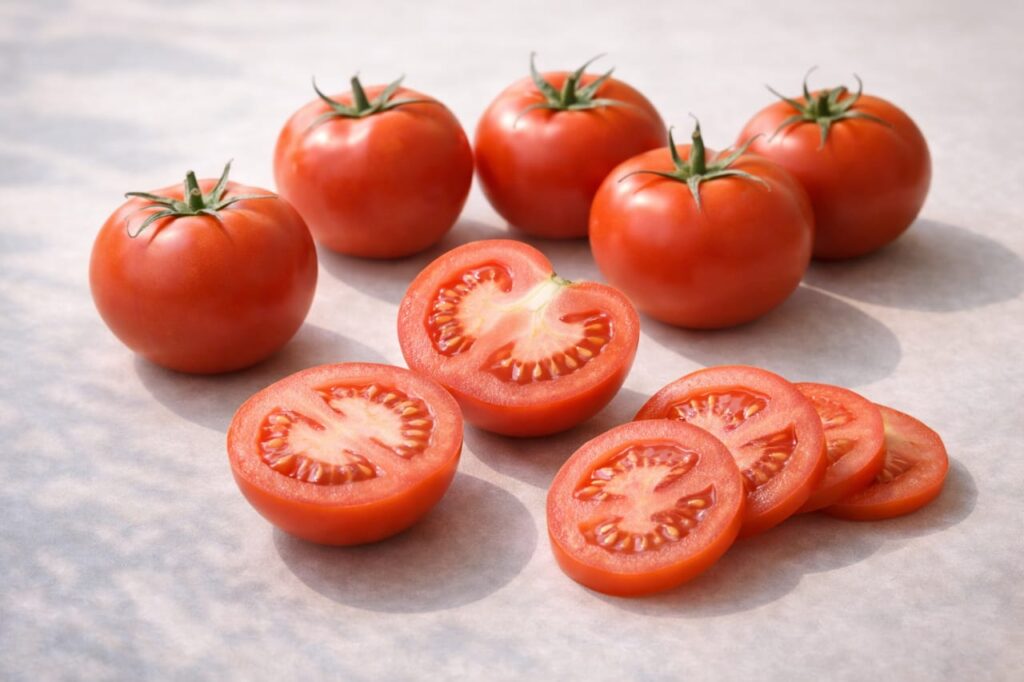
Tomatoes are one of the best vegetables for heart protection due to their high lycopene content.
Lycopene helps:
•Lower bad cholesterol
•Reduce inflammation
•Protect arteries
Interestingly, cooked tomatoes (like tomato curry or sauce) provide more lycopene than raw ones.
Easy ways to include tomatoes:
•Tomato-based curries
•Fresh salads
•Homemade soups
5. Beetroot
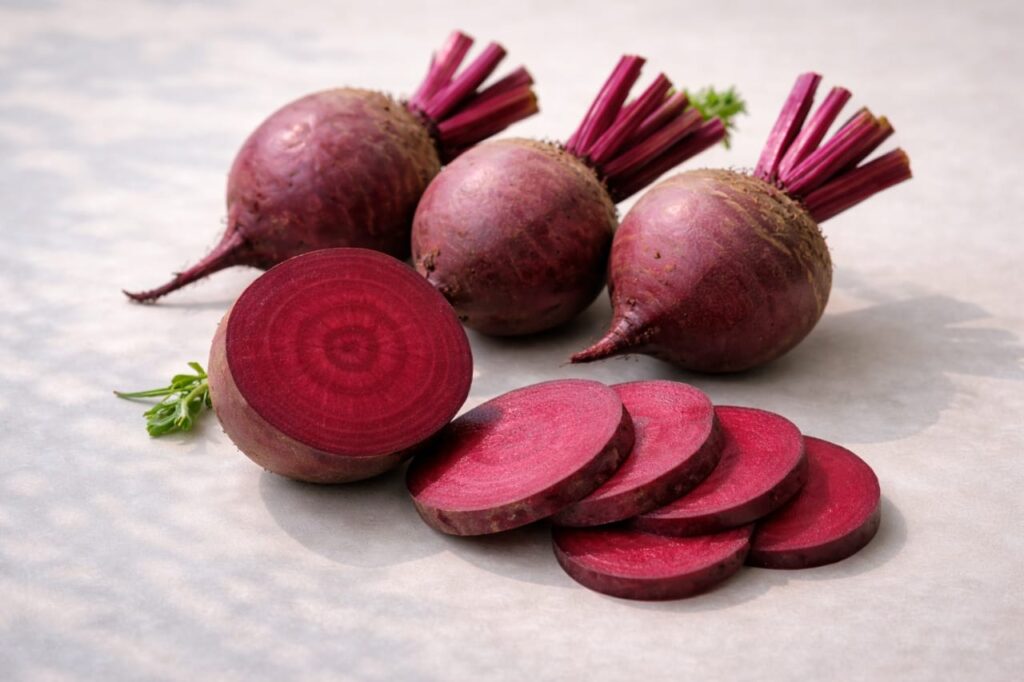
Beetroot is known for improving blood circulation and heart efficiency.
It contains natural nitrates that:
•Help widen blood vessels
•Improve oxygen flow
•Support healthy blood pressure
Many people notice improved energy and better stamina after adding beetroot regularly.
How to eat beetroot:
•Grated in salads
•Lightly cooked sabzi
•Blended into smoothies
6. Garlic
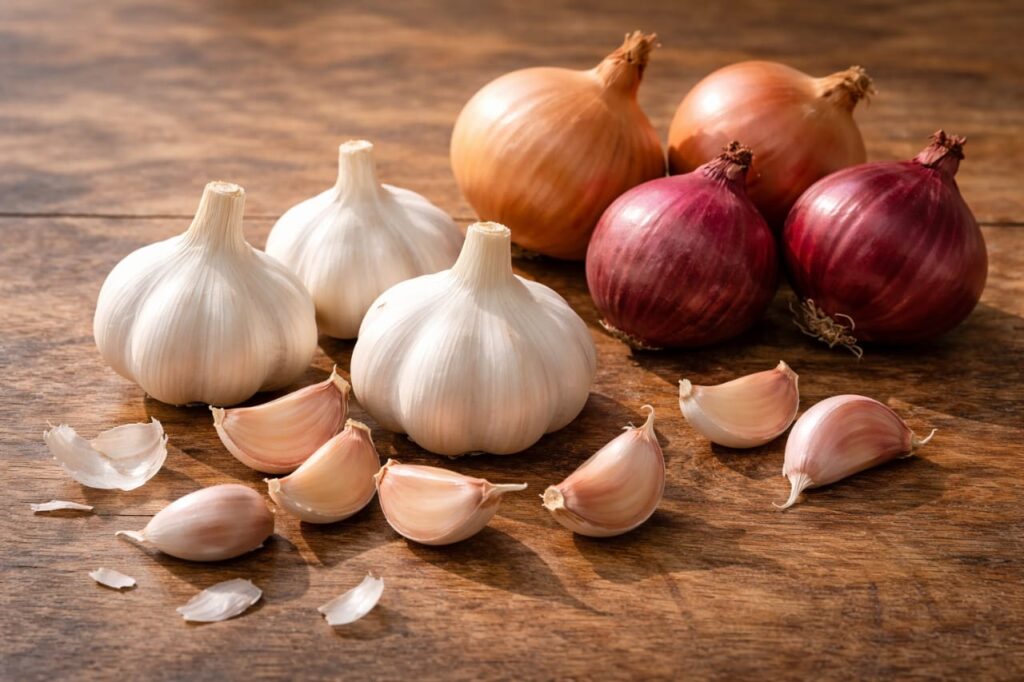
Garlic is one of the most researched heart-friendly vegetables.
Regular consumption may help:
•Lower LDL cholesterol
•Reduce blood pressure
•Prevent plaque buildup in arteries
Garlic works best when lightly crushed and allowed to sit for a few minutes before cooking.
Tip:
Use fresh garlic rather than garlic powder for maximum benefits.
7. Onions
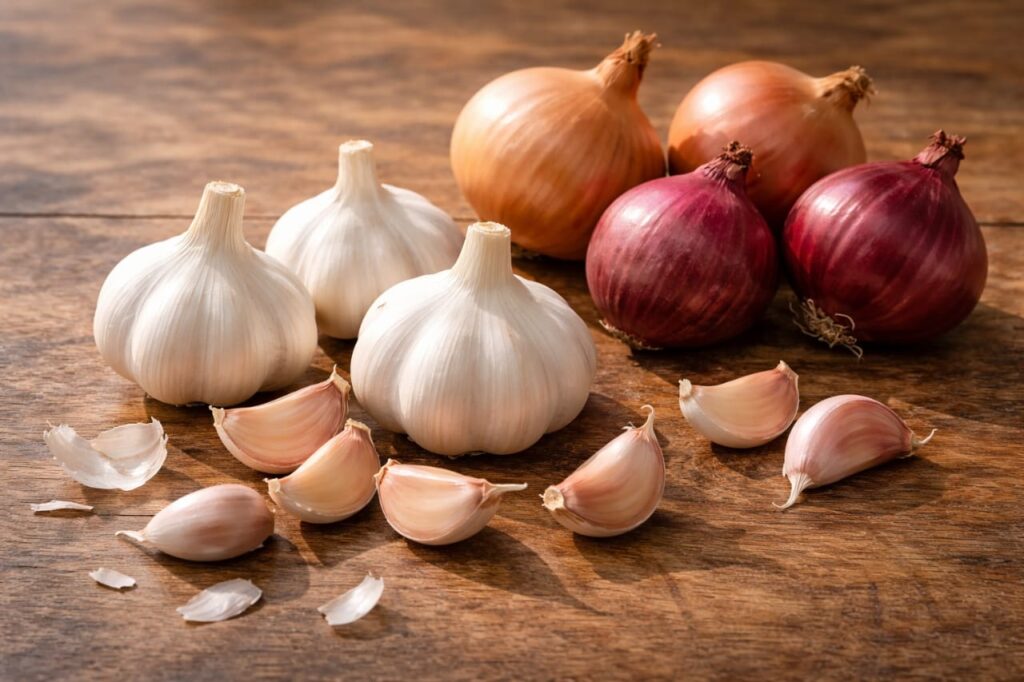
Onions contain powerful plant compounds that protect heart health.
Benefits include:
•Improved blood vessel function
•Reduced inflammation
•Support for healthy cholesterol levels
Both raw and cooked onions are beneficial.
Simple ways to use onions:
•Raw in salads
•Lightly sautéed in curries
•Added to vegetable dishes
8. Bell Peppers (Capsicum)

Bell peppers are rich in:
•Vitamin C
•Antioxidants
•Fiber
They help reduce oxidative stress and support healthy blood vessels. Red and yellow bell peppers contain more antioxidants than green ones.
How to eat:
•Stir-fried with vegetables
•Added to salads
•Used in wraps and sandwiches
9. Sweet Potatoes

Sweet potatoes are a heart-friendly alternative to refined carbohydrates.
They provide:
•Potassium for blood pressure control
•Fiber for cholesterol management
•Slow-releasing energy
They help maintain stable blood sugar levels, which is important for heart health.
Best preparation methods:
•Boiled
•Steamed
•Baked with minimal oil
10. Cabbage

Cabbage is often overlooked, but it’s excellent for heart health.
It supports:
•Digestive health
•Cholesterol metabolism
•Reduced inflammation
Cabbage is also budget-friendly and easy to cook.
Healthy ways to eat cabbage:
•Lightly sautéed
•Added to soups
•Fresh cabbage salad
11. Bottle Gourd (Lauki)
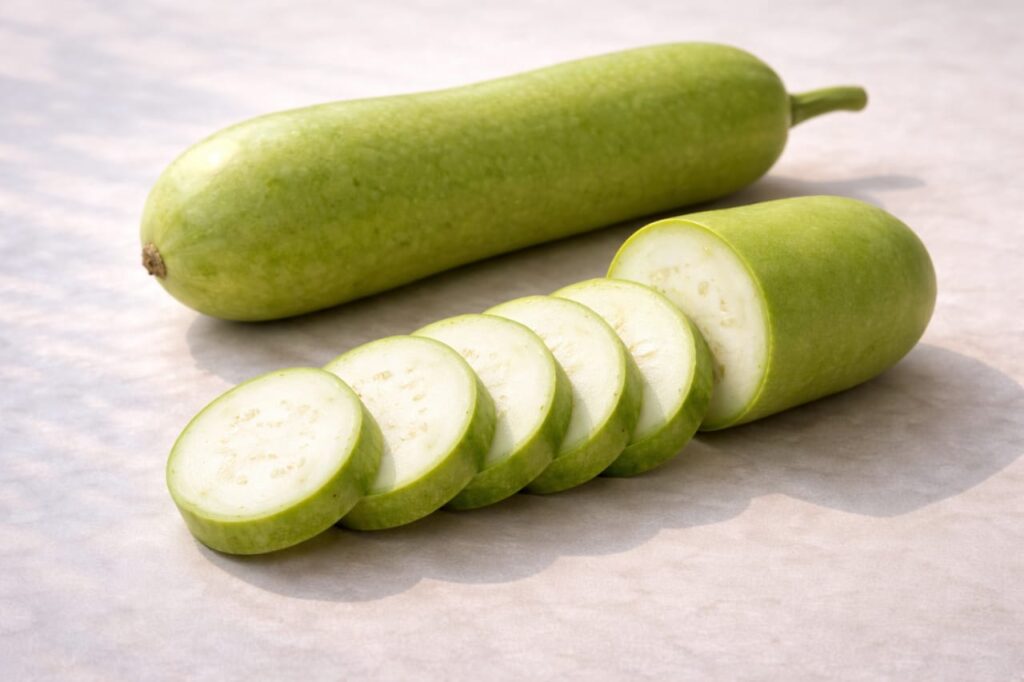
Bottle gourd is especially beneficial for people with high blood pressure or heart concerns.
Benefits include:
•High water content
•Low calories
•Easy digestion
It helps keep the body hydrated and supports healthy blood pressure levels.
How to eat lauki:
•Simple vegetables
•bottle gourd with Lentils
•Light soups
12. Okra (Lady Finger)

Okra is rich in soluble fiber, which helps lower cholesterol naturally.
It also supports:
•Blood sugar control
•Gut health
•Heart-friendly digestion
Cooking tips:
•Avoid deep frying
•Light sautéing or boiling is best
Best Ways to Eat Vegetables for Maximum Heart Benefits
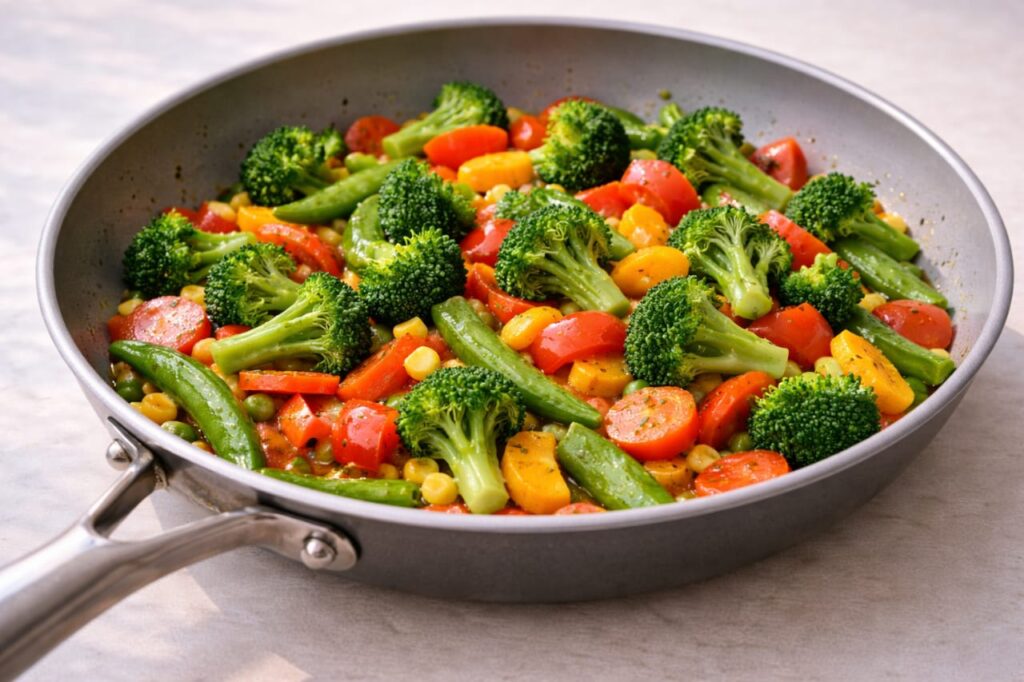
Eating vegetables the right way matters just as much as choosing the right ones.
Raw vs Cooked
•Raw vegetables provide maximum fiber
•Cooked vegetables improve absorption of certain antioxidants
•A mix of both is ideal
Healthy Cooking Methods
•Steaming
•Boiling
•Light sautéing
•Pressure cooking with minimal oil
Oils to Use
•Olive oil
•Mustard oil (in moderation)
•Groundnut oil (limited quantity)
Avoid reused or overheated oils.
Vegetables to Eat Carefully if You Have Heart Problems
Not all vegetable-based foods are heart-friendly.
Limit:
•Pickled vegetables
•Deep-fried vegetable snacks
•Vegetables cooked with excess salt or butter
•Packaged and processed vegetable products
Fresh and home-cooked vegetables are always the best choice.
Heart-Healthy Vegetable Combinations (Easy Meal Ideas)
Indian Meal Plate Example
•Flatbread or brown rice
•Mixed vegetable
•lentils with spinach or bottle gourd
•Fresh salad
Smart Pairings
•Tomatoes + olive oil (better antioxidant absorption)
•Leafy greens + lemon juice (improves iron absorption)
•Garlic + vegetables (enhanced heart protection)
FAQs:
Q1. Which vegetable is best for lowering cholesterol?
Leafy greens, okra, carrots, and cabbage are especially effective due to their fiber content.
Q2. Can vegetables reduce blood pressure naturally?
Yes. Vegetables rich in potassium and nitrates, such as beetroot and spinach, support healthy blood pressure.
Q3. How many servings of vegetables should I eat daily?
Aim for at least 4–5 servings of vegetables per day for heart health.
Q4. Are raw vegetables better than cooked ones?
Both are beneficial. A combination provides the best nutritional balance.
Read this also :-
- Best Fruits for Heart Health | Lower Cholesterol & Blood Pressure Naturally
- Top 10 Good Food for Heart Health: Best Foods to Keep Your Heart Strong Naturally
- What to Eat for a Healthy Heart: Simple Foods That Protect Your Heart
- Facebook page :- Dailylife99
Final Thoughts:
You don’t need complicated diets or expensive superfoods to protect your heart. Simple vegetables eaten consistently can make a powerful difference over time.
Start small:
•Add one extra vegetable to your meals
•Choose home-cooked options
•Focus on variety and balance
Your heart responds to what you eat every day, not what you eat occasionally. By making vegetables a regular part of your lifestyle, you’re investing in a healthier, stronger heart for years to come.
Disclaimer:
The information provided on DailyLife99.com is for educational and informational purposes only and does not constitute medical advice. We are not medical professionals. The content shared on this website, including health and Ayurvedic information, is not intended to diagnose, treat, cure, or prevent any disease.
Always consult a qualified physician or licensed healthcare provider before making any health-related decisions. DailyLife99.com is not responsible for any outcomes or consequences resulting from the use of this information.