
Health Benefits of Fig (Anjeer) :- Figs, commonly known as Anjeer, are one of the oldest fruits consumed by humans. Mentioned in ancient texts and valued in traditional medicine systems like Ayurveda and Unani, figs are more than just a naturally sweet fruit. They are packed with essential nutrients, fiber, antioxidants, and minerals that support overall health.
Whether eaten fresh, dried, or soaked overnight, figs offer impressive benefits for digestion, heart health, bones, immunity, and even skin. In today’s fast-paced lifestyle, adding figs to your daily diet can be a simple yet powerful step toward better wellness.
This detailed guide explores the health benefits of fig, its nutritional value, best ways to eat it, recommended daily intake and possible side effects.
What Is Fig (Anjeer)?
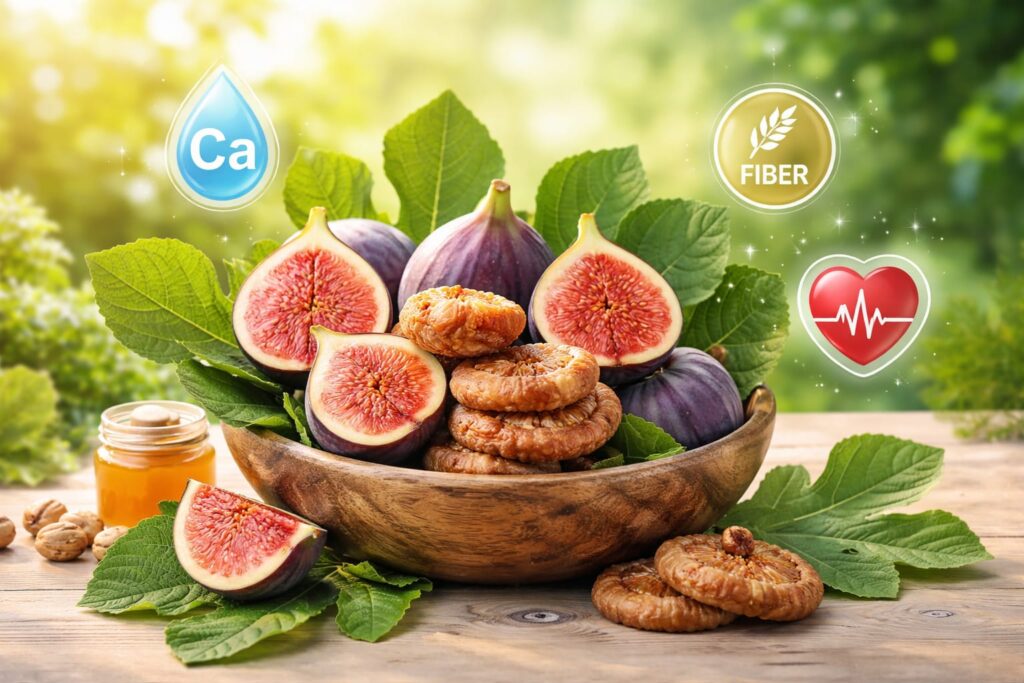
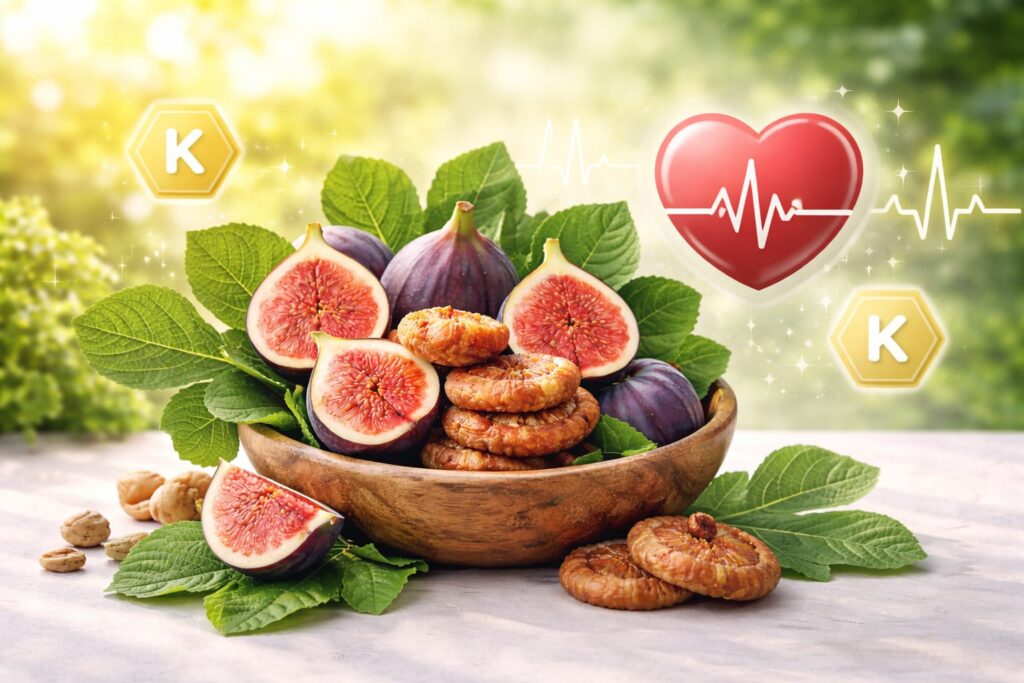
Fig is the fruit of the Ficus carica tree, belonging to the mulberry family. It has a soft texture, tiny edible seeds, and a naturally sweet flavor. Figs can be consumed in two main forms:
• Fresh figs – juicy, mildly sweet, and available seasonally
• Dried figs (Anjeer) – concentrated in nutrients, available year-round
Fresh Fig vs Dried Fig (Anjeer)
Fresh figs contain more water and fewer calories, while dried figs are richer in fiber, minerals, and natural sugars. Both forms are healthy when consumed in moderation.
Popular fig varieties include Black Mission figs, Brown Turkey figs, Kadota figs, and Adriatic figs.
Nutritional Value of Fig
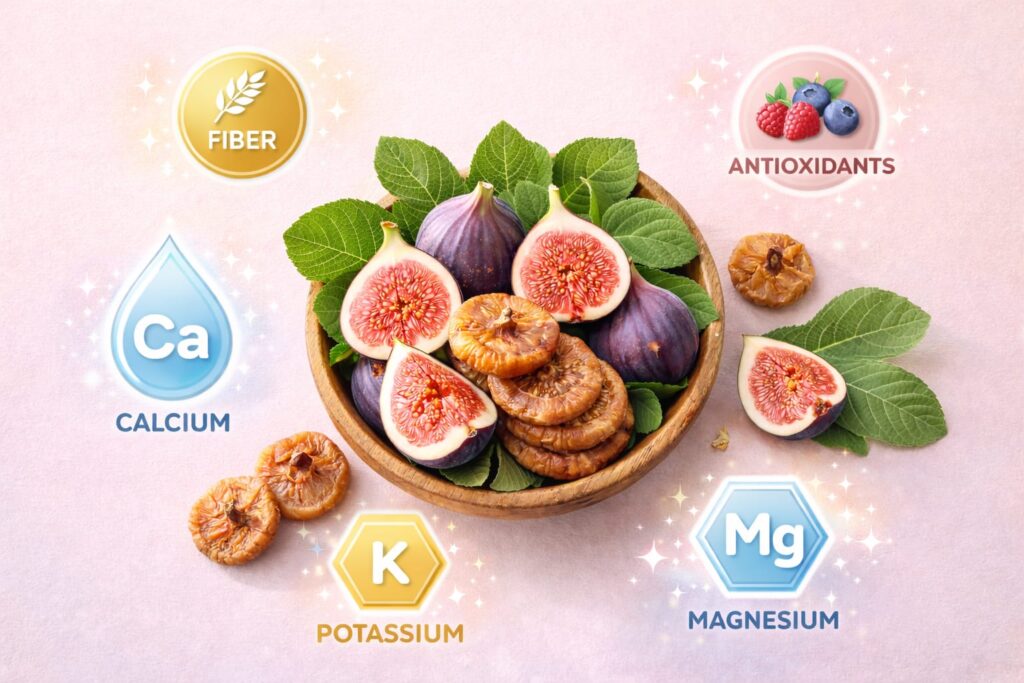
Figs are a nutrient-dense fruit that provide energy along with essential vitamins and minerals.
Nutritional Highlights (per 100g dried figs)
• Calories: ~250
• Carbohydrates: High (natural sugars)
• Dietary fiber: Very high
• Protein: Moderate
• Fat: Very low
Rich in Vitamins
• Vitamin A – supports eye and skin health
• Vitamin B6 – helps brain function and metabolism
• Vitamin K – supports blood clotting and bone health
Loaded with Minerals
• Calcium – strengthens bones and teeth
• Potassium – regulates blood pressure
• Magnesium – supports muscle and nerve function
• Iron – helps prevent anemia
Antioxidants
Figs contain polyphenols and flavonoids that help fight oxidative stress and inflammation.
Top Health Benefits of Fig (Anjeer)
Improves Digestive Health

One of the most well-known health benefits of fig is improved digestion. Figs are extremely rich in dietary fiber, which helps:
• Relieve constipation naturally
• Improve bowel regularity
• Support healthy gut bacteria
Soaked figs are especially effective as a gentle, natural laxative. They help cleanse the digestive tract without harsh side effects.
Supports Heart Health
Regular fig consumption can contribute to a healthier heart. The potassium and antioxidants in figs help:
• Maintain healthy blood pressure
• Reduce bad cholesterol (LDL)
• Improve blood vessel function
Fiber also plays a role in lowering cholesterol levels, reducing the risk of heart disease and stroke.
Helps Control Blood Sugar Levels

Although figs are naturally sweet, they have a moderate glycemic index when eaten in controlled amounts. The fiber content slows down sugar absorption, preventing sudden spikes in blood glucose.
For people with diabetes:
• Eat figs in moderation
• Prefer fresh figs or soaked dried figs
• Avoid fig syrups or sugar-coated dried figs
Always consult a healthcare professional for personalized advice.
Strengthens Bones
Figs are one of the best plant-based sources of calcium, along with magnesium and phosphorus. These minerals are essential for:
• Strong bones and teeth
• Preventing osteoporosis
• Supporting bone density in older adults
Regular intake of figs can be especially beneficial for women, elderly people, and growing children.
Boosts Immunity

The antioxidants in figs help protect the body against infections and chronic inflammation. Figs also support immune health by:
• Reducing oxidative stress
• Supporting white blood cell function
• Providing essential vitamins and minerals
Including figs in your diet during seasonal changes can help strengthen natural immunity.
Supports Weight Management
Despite being naturally sweet, figs can support healthy weight management when eaten wisely.
Benefits include:
• High fiber keeps you full longer
• Reduces unhealthy snacking
• Curbs sugar cravings naturally
Eating 1–2 figs as a snack can prevent overeating and provide sustained energy.
Improves Skin Health

Figs are often used in natural skincare due to their detoxifying and nourishing properties. Benefits for skin include:
• Improved hydration
• Reduced acne and blemishes
• Support for skin repair
The antioxidants help slow signs of aging by protecting skin cells from damage.
Enhances Reproductive & Sexual Health
Traditionally, figs have been used to support reproductive health and vitality. They may help:
• Improve stamina and energy levels
• Support hormonal balance
• Enhance fertility when combined with a balanced diet
Soaked figs with milk are a popular traditional remedy for strength and vitality.
Benefits of Fig for Men and Women
Benefits for Men
• Supports stamina and energy
• Improves digestive and heart health
• Helps maintain healthy testosterone levels indirectly through nutrition
Benefits for Women
• Supports bone health, especially after menopause
• Helps manage anemia due to iron content
• Aids digestion during hormonal changes
During pregnancy, figs can be beneficial but should be consumed in moderation after consulting a doctor.
Fig Benefits for Children and Elderly

For Children
• Supports bone growth
• Improves digestion
• Provides natural energy
For Elderly
• Prevents constipation
• Supports heart and bone health
• Easy to digest when soaked
Soaked figs are especially recommended for older adults.
Best Ways to Eat Fig (Anjeer)
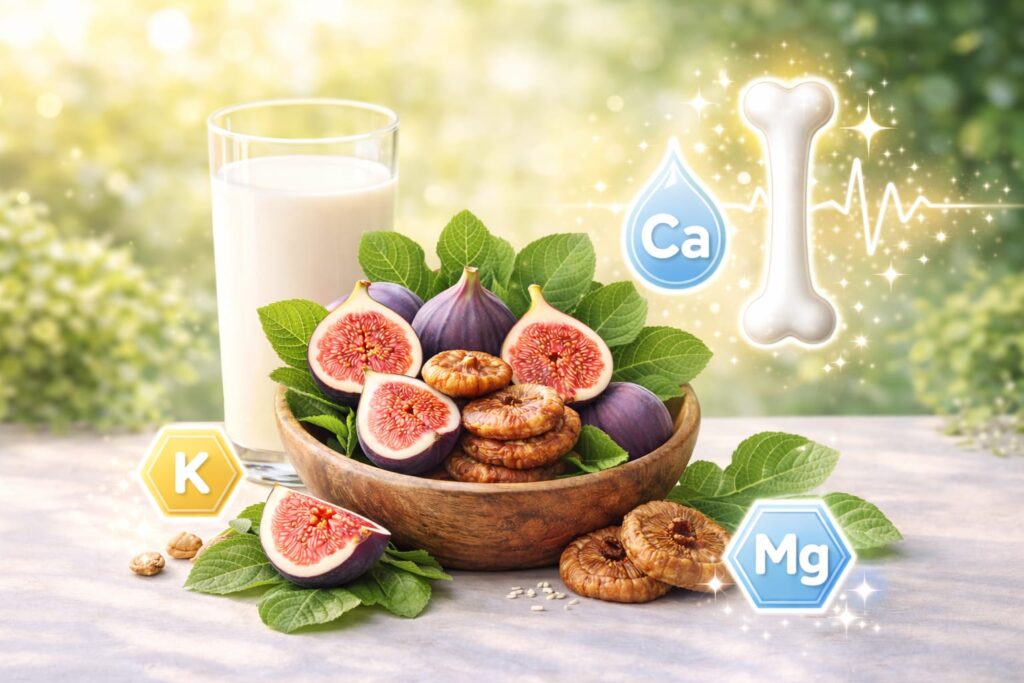
There are many healthy and delicious ways to include figs in your daily diet.
Fresh Figs
• Eat as a fruit snack
• Add to salads or breakfast bowls
Soaked Dried Figs
• Soak 1–2 figs overnight
• Eat on an empty stomach in the morning
Fig Milk
• Blend soaked figs with warm milk
• Drink at night for digestion and strength
Fig Smoothies
• Blend with banana, oats, and nuts
• Great for breakfast or post-workout
Fig Chutney or Desserts
• Use naturally without refined sugar
• Enjoy occasionally in moderation
How Many Figs Should You Eat Daily?
Recommended intake depends on age and health condition:
• Adults: 1–2 dried figs per day
• Children: 1 small fig
• Elderly: 1 soaked fig
Best time to eat figs:
• Morning on an empty stomach (soaked figs)
• As a mid-day snack
Avoid overeating, as excess figs may cause digestive discomfort.
Possible Side Effects of Fig
While figs are healthy, overconsumption can lead to:
• Diarrhea or bloating
• Increased blood sugar levels
• Allergic reactions in sensitive individuals
Always consume figs in moderation as part of a balanced diet.
Who Should Avoid or Limit Fig Consumption?

People who should be cautious include:
• Individuals with latex allergy
• People with IBS or sensitive digestion
• Diabetics (without medical guidance)
If you notice discomfort, reduce intake or consult a healthcare provider.
Fig vs Other Dry Fruits
Fig vs Dates
• Figs have more fiber
• Dates have higher sugar content
Fig vs Raisins
• Figs offer more calcium
• Raisins are higher in iron
Fig vs Prunes
• Both help digestion
• Figs are sweeter and richer in minerals
Each dry fruit has unique benefits, but figs stand out for digestion and bone health.
Myths and Facts About Fig
Myth: Figs increase blood sugar dangerously
Fact: When eaten in moderation, figs are safe for most people
Myth: Figs are only used for constipation
Fact: Figs support heart, bone, skin, and immune health too
Conclusion
The health benefits of fig (anjeer) make it a valuable addition to any balanced diet. From improving digestion and strengthening bones to supporting heart health and immunity, figs offer a wide range of natural benefits.
Whether you choose fresh figs or soaked dried anjeer, the key is moderation and consistency. When included wisely, figs can enhance overall wellness naturally and deliciously.
Read this also :-
- Top 12 Health Benefits of Walnuts: Nutrition, Uses & Daily Intake Guide
- Facebook page :- Dailylife99
FAQs:
Q1. Is fig good for daily consumption?
Yes, 1–2 figs daily are safe and beneficial for most people.
Q2. Can diabetics eat figs?
Yes, but in moderation and preferably after consulting a doctor.
Q3. Are soaked figs better than dry figs?
Soaked figs are easier to digest and better for constipation.
Q4. Is fig good for weight loss?
Yes, its fiber helps control appetite and reduce cravings.
Q5. Can figs improve digestion naturally?
Absolutely. Figs are one of the best natural remedies for digestive health.
Disclaimer:
The information provided on DailyLife99.com is for educational and informational purposes only and does not constitute medical advice. We are not medical professionals. The content shared on this website, including health and Ayurvedic information, is not intended to diagnose, treat, cure, or prevent any disease.
Always consult a qualified physician or licensed healthcare provider before making any health-related decisions. DailyLife99.com is not responsible for any outcomes or consequences resulting from the use of this information.