
Belly fat is frustrating. You eat clean, exercise regularly, cut calories—and still, that stubborn fat around your waist refuses to go away. If this sounds familiar, you’re not lazy, undisciplined, or doing something “wrong.” Chances are, you’re dealing with How to Get Rid of Hormonal Belly Fat.
Hormones control how your body stores fat, burns calories, manages stress, and even how hungry you feel. When they’re out of balance, especially due to stress, poor sleep, blood sugar spikes, or lifestyle habits, belly fat becomes extremely hard to lose.The good news?
Hormonal belly fat is reversible—without extreme dieting, over-exercising, or starving yourself.
What Is Hormonal Belly Fat?
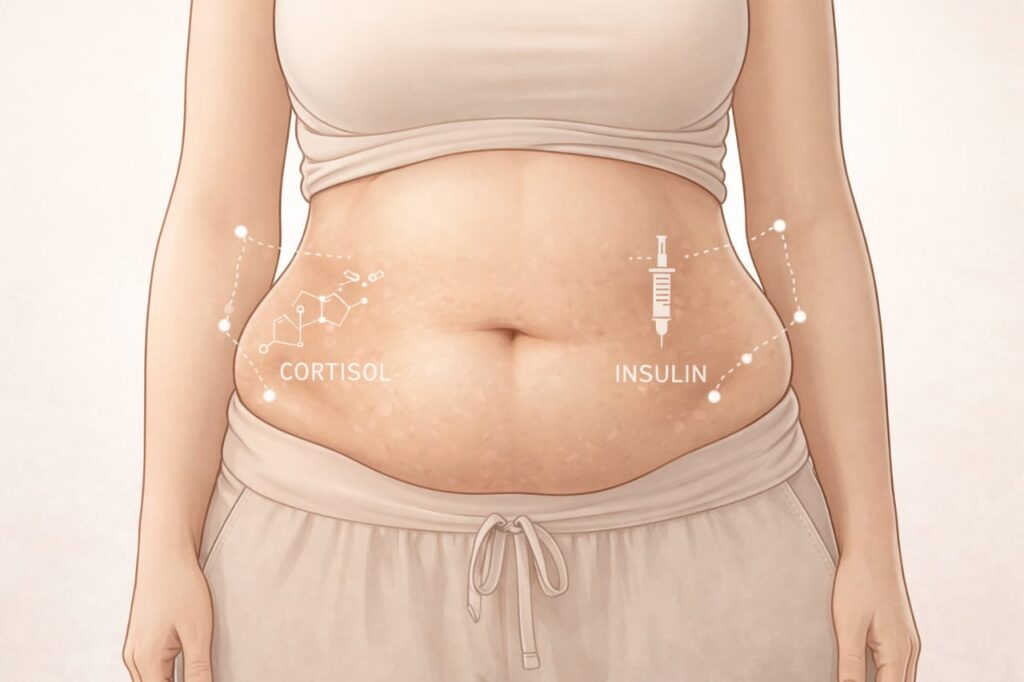
Hormonal belly fat refers to fat accumulation around the abdomen caused primarily by hormone imbalances, not just excess calories.
Unlike regular fat, hormonal belly fat:
•Feels stubborn and hard to lose
•Often sits deep around the organs (visceral fat)
•Doesn’t respond well to crash diets or intense cardio
•Comes with symptoms like fatigue, cravings, poor sleep, or mood swings
Your body stores fat based on hormonal signals, not willpower. When certain hormones are elevated or suppressed, your body literally switches into “fat-storage mode,” especially around the belly.
Hormones That Cause Belly Fat (And How They Work)
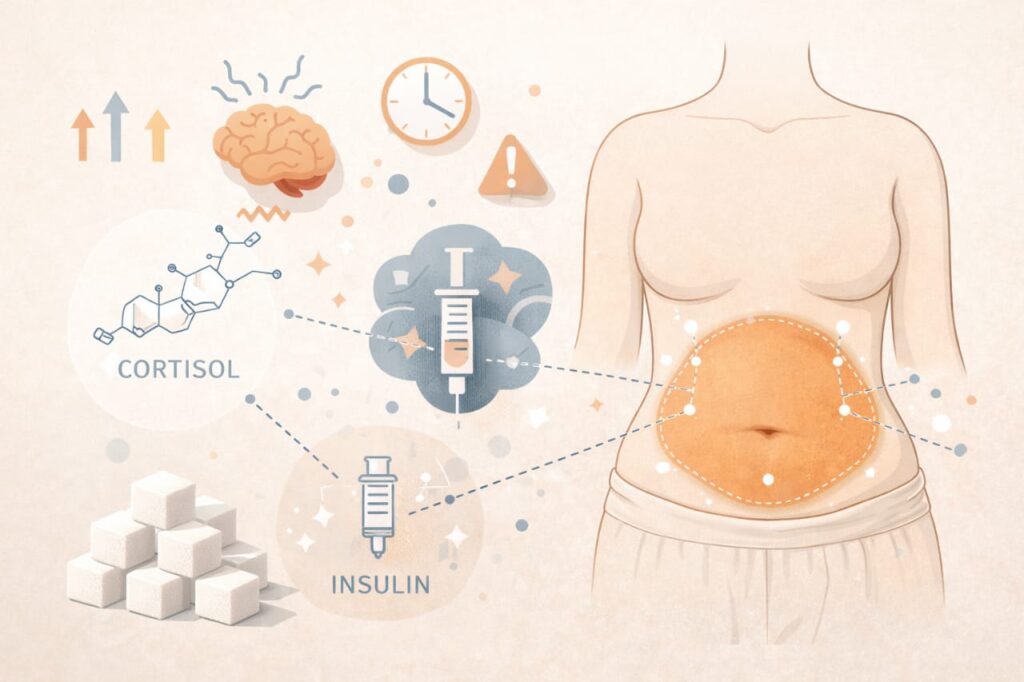
Understanding which hormones are involved is the first step to fixing the problem.
1. Cortisol: The Stress Hormone
Cortisol is released during stress—physical, emotional, or mental. While cortisol is necessary for survival, chronically high cortisol leads directly to belly fat storage.
Why cortisol causes belly fat:
•Increases appetite, especially for sugar and carbs
•Signals the body to store fat for “future danger”
•Breaks down muscle, slowing metabolism
•Encourages fat storage specifically in the abdominal area
Chronic stress from work pressure, lack of sleep, over-exercising, emotional stress, or constant screen time keeps cortisol high all day.
2. Insulin: The Fat-Storage Hormone
Insulin controls blood sugar. When you eat sugar or refined carbs, insulin rises to push glucose into cells.
But when insulin is constantly elevated, the body becomes insulin resistant—and excess glucose gets stored as fat, especially belly fat.
Signs insulin may be an issue:
•Sugar cravings
•Energy crashes after meals
•Weight gain around the waist
•Difficulty losing fat despite calorie control
Insulin resistance is one of the biggest causes of hormonal belly fat today.
3. Estrogen Imbalance (Especially in Women)
Estrogen doesn’t just affect reproduction—it plays a huge role in fat distribution.
When estrogen is too high or poorly metabolized:
•Fat accumulates in the lower belly, hips, and thighs
•Water retention increases
•Weight loss becomes harder even with clean eating
Common causes include:
•Processed foods
•Poor gut health
•Lack of fiber
•Exposure to hormone-disrupting chemicals
4. Thyroid Hormones and Metabolism
The thyroid controls how fast your body burns calories.
When thyroid hormones are low or underperforming:
•Metabolism slows
•Fat loss stalls
•Energy drops
•Belly fat accumulates easily
Even mild thyroid dysfunction can make fat loss extremely difficult.
Signs You Have Hormonal Belly Fat

You may be dealing with hormonal belly fat if:
•Your belly fat doesn’t reduce despite dieting
•Weight gain is mostly around the waist
•You feel tired even after sleeping
•You crave sugar or carbs frequently
•You experience stress, anxiety, or poor sleep
•Your weight fluctuates easily
If this sounds like you, the solution isn’t “eat less and move more”—it’s restore hormonal balance.
Root Causes of Hormonal Belly Fat

Hormones don’t become imbalanced overnight. The problem usually comes from daily habits.
1. Chronic Stress
Constant stress keeps cortisol elevated, locking your body into fat-storage mode.
2. Poor Sleep
Lack of sleep increases cortisol, disrupts insulin, and increases hunger hormones.
3. High Sugar & Processed Foods
These spike insulin and promote inflammation.
4. Over-Exercising
Excessive cardio without recovery raises cortisol instead of burning fat.
5. Gut Health Issues
An unhealthy gut affects estrogen metabolism and insulin sensitivity.
How to Get Rid of Hormonal Belly Fat Naturally
There is no single “hack.” The solution is correcting signals your body receives every day.
1. Fix Your Diet First (The Foundation)
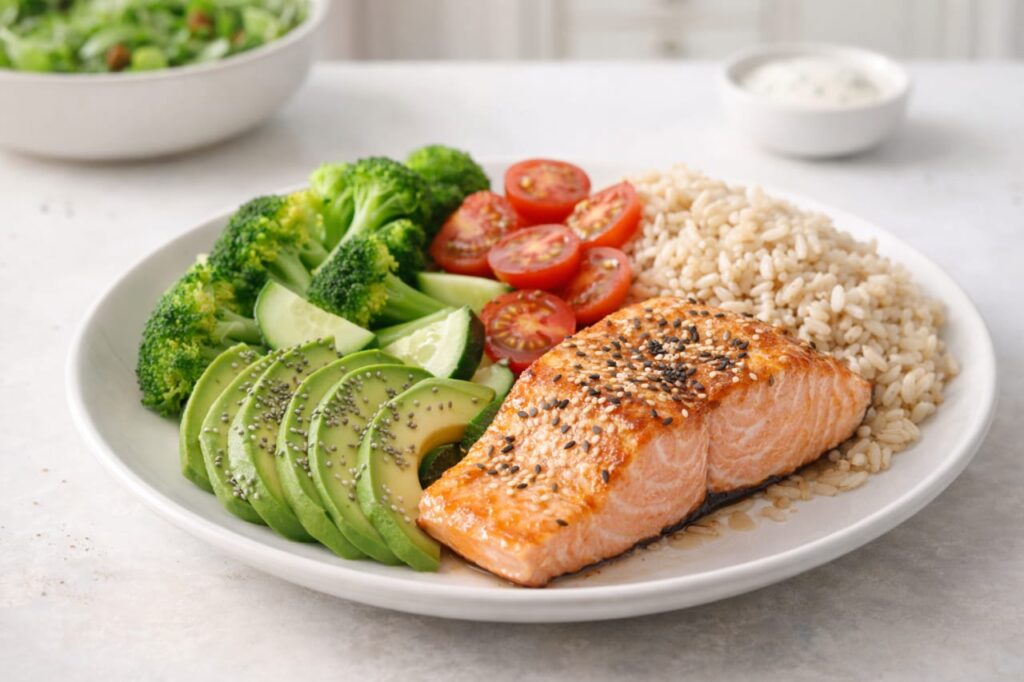
Diet is not about restriction—it’s about stability.
Key dietary principles:
•Balance every meal with protein, fiber, and healthy fats
•Avoid blood sugar spikes
•Eat enough calories to avoid stress response
Best foods for hormonal belly fat:
•Eggs, lentils, beans, paneer
•Vegetables (especially leafy greens)
•Nuts and seeds
•Healthy fats like olive oil and ghee
•Fruits in moderation
Foods to reduce or avoid:
•Sugary drinks
•White bread and refined carbs
•Packaged snacks
•Artificial sweeteners in excess
2. Balance Blood Sugar to Reduce Insulin
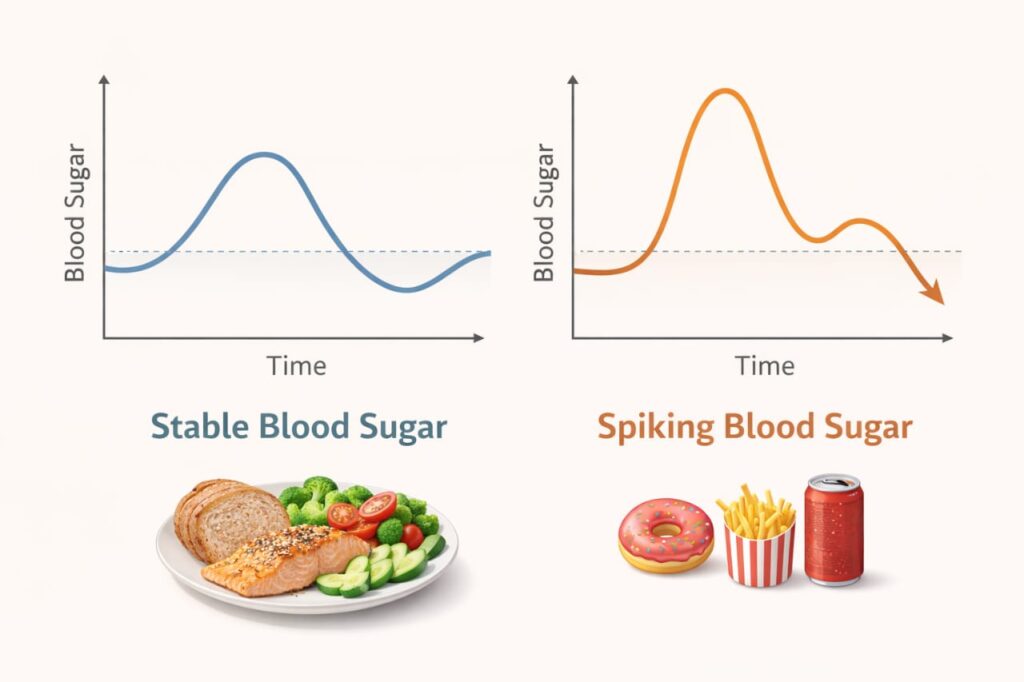
Simple blood sugar rules:
•Never eat carbs alone—pair them with protein
•Eat at consistent times
•Avoid constant snacking
•Prioritize whole foods
Stable blood sugar = lower insulin = less belly fat.
3. Eat Hormone-Balancing Foods
Certain foods actively help your body regulate hormones.
Best hormone-friendly foods:
•Fiber-rich vegetables for estrogen detox
•Omega-3 fats for inflammation control
•Fermented foods for gut health
•Adequate protein to stabilize hunger hormones
These foods send a signal of safety to your body, reducing fat storage.
Best Exercises for Hormonal Belly Fat

Why Cardio Alone Doesn’t Work
Excessive cardio:
•Raises cortisol
•Increases hunger
•Burns muscle
•Slows metabolism over time
This is why many people gain belly fat despite “working out more.”
Best Workouts for Hormone Balance
The most effective workouts are:
•Strength training (2–4 times per week)
•Walking daily
•Yoga or stretching
•Low-impact movement
Benefits:
•Improves insulin sensitivity
•Lowers cortisol
•Builds muscle (boosts metabolism)
•Improves sleep quality
Consistency matters more than intensity.
Stress Reduction: The Most Ignored Fat-Loss Tool

If stress stays high, belly fat stays.
Simple daily stress-lowering habits:
•Morning sunlight exposure
•10 minutes of deep breathing
•Short walks after meals
•Limiting phone use at night
•Saying no to over-commitment
Lower stress = lower cortisol = easier fat loss.
Sleep and Hormonal Belly Fat

Sleep is non-negotiable for fat loss.
Poor sleep:
•Raises cortisol
•Disrupts insulin
•Increases hunger hormones
•Reduces fat-burning hormones
Ideal sleep tips:
•Sleep 7–8 hours nightly
•Maintain a consistent bedtime
•Avoid screens 1 hour before bed
•Keep the room dark and cool
Many people lose belly fat just by improving sleep.
Natural Supplements That May

Supplements are not magic—but they can support balance.
Helpful options:
•Magnesium for stress and sleep
•Omega-3 fatty acids
•Vitamin D (if deficient)
•Herbal teas like chamomile or ashwagandha
Always consult a professional if you’re unsure.
How Long Does It Take to Lose Hormonal Belly Fat?
This is the most common question.
Realistic timeline:
•2–3 weeks: reduced bloating, better energy
•4–8 weeks: visible waist reduction
•3–6 months: significant belly fat loss
Hormonal fat loss is slower—but long-lasting.
Common Mistakes That Prevent Results
Avoid these:
•Extreme calorie restriction
•Over-training
•Skipping meals
•Obsessing over the scale
•Expecting instant results
Healing hormones requires patience and consistency.
Lifestyle Habits That Prevent Belly Fat Long-Term
Long-term success comes from daily habits:
•Eating balanced meals
•Moving your body daily
•Managing stress
•Prioritizing sleep
•Staying consistent, not perfect
When your body feels safe, it lets go of fat naturally.
FAQs: How to Get Rid of Hormonal Belly Fat
Q1. What is the fastest way to reduce hormonal belly fat?
Balancing blood sugar, reducing stress, improving sleep, and strength training consistently.
Q2. Can hormonal belly fat go away naturally?
Yes. Hormonal belly fat responds well to lifestyle changes without extreme dieting.
Q3. Which hormone causes lower belly fat?
Cortisol, insulin, and estrogen imbalance are the most common contributors.
Q4. Why is my belly fat not going away despite exercise?
Over-exercising can increase cortisol, making fat loss harder.
Q5. How do I know if my belly fat is hormonal?
If it’s stubborn, stress-related, and resistant to diet changes, hormones are likely involved.
Read this also :-
- Top 12 Ways How to Get Smooth Skin Naturally | Daily Skincare & Home Remedies
- Top 10 Health Benefits of Amla Beetroot Carrot Juice: Immunity, Energy, Weight Loss & Glowing Skin
- Facebook page :- Dailylife99
Final Thoughts: How to Get Rid of Hormonal Belly Fat
Getting rid of hormonal belly fat isn’t about starving yourself, punishing workouts, or chasing quick fixes. It’s about understanding your body and working with it, not against it. When your hormones are balanced, your body naturally feels safer letting go of stored fat—especially around the belly.
Focus on consistent habits: nourishing meals, gentle but regular movement, quality sleep, and daily stress management. These may seem simple, but together they create powerful hormonal shifts that lead to sustainable fat loss and better overall health.
Remember, hormonal belly fat didn’t appear overnight, and it won’t disappear overnight either. Be patient, stay consistent, and trust the process. When you prioritize hormone health, a flatter belly becomes a natural outcome—not a constant struggle.
Disclaimer:
The information provided on DailyLife99.com is for educational and informational purposes only and does not constitute medical advice. We are not medical professionals. The content shared on this website, including health and Ayurvedic information, is not intended to diagnose, treat, cure, or prevent any disease.
Always consult a qualified physician or licensed healthcare provider before making any health-related decisions. DailyLife99.com is not responsible for any outcomes or consequences resulting from the use of this information.